
Lawn
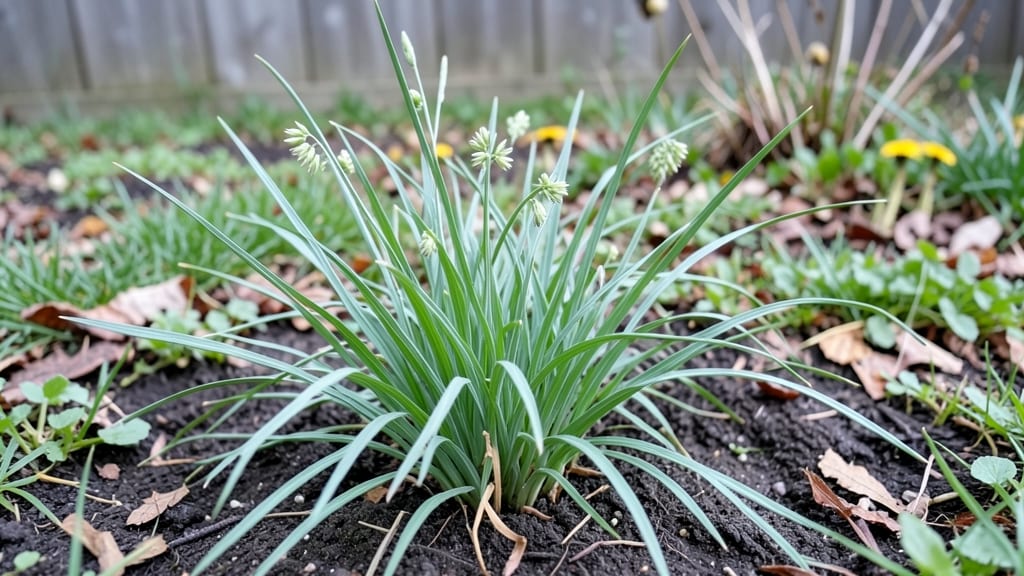
Lawn leaves growing in grass aren't just an eyesore—they're a sign your lawn is fighting an uphill battle. 🌱 I've spent years watching patches of broadleaf weeds or self-seeded plants take over, and the secret to fixing it isn't brute force, but precision.
The right approach turns those stubborn intruders into a thing of the past.
Most of these "leaves" aren't grass at all—they're weeds like dandelions, clover, or creeping Charlie that sneak in through thin spots. Poor mowing habits (cutting too short or letting grass get ragged) creates the perfect welcome mat.
Even mulch from nearby trees can drop seeds that sprout right into your lawn. The good news? You don't need chemicals to win this fight—just the right timing and technique.
Within a month of consistent action, you'll see dense, uniform grass filling in where weeds once ruled. The key is combining sharp trimming with proper mowing height (never below 3 inches) and occasional overseeding to block weeds before they start.
Your neighbors will wonder how you got such a lush lawn without all the work.
This works for any grass type, from cool-season Kentucky bluegrass to warm-season Bermuda. The only difference is adjusting your mowing schedule to match your grass's natural growth cycle. Let's get your lawn back to looking like a carpet, not a jungle.
Underlying Causes of Leaf Overgrowth
When you spot leaves sprouting in your grass, it’s rarely just a random quirk of nature—there’s usually a logical (and fixable) reason behind it. Understanding these causes helps you take targeted action to restore a clean, healthy lawn. Let’s break down the science and scenarios behind why this happens.
###
🌱 Seed Dispersal from Nearby Trees or Shrubs
One of the most common culprits is natural seed spread from trees, shrubs, or even windborne debris. Many plants, like maple, oak, or pine, release seeds that land in your grass and germinate—especially if conditions are ideal.
- How it works: Seeds contain dormant embryos that activate when moisture, sunlight, and soil temperature align. A thick layer of grass can actually encourage germination by providing shade and humidity.
- Tell-tale signs:
- Leaves appear in clusters or straight lines (following wind patterns or animal paths).
- New growth looks uniform in shape (e.g., all maple leaves or all pine needles).
- You notice seed pods or fallen fruit near the affected areas.
- Actionable fix:
- 🌡️ Timing is key: Pull or mow down seedlings before they establish roots (early spring or fall).
- 🔪 Hand-pull or rake: Use a weeding tool to avoid disturbing grass roots. For stubborn patches, apply a spot treatment of vinegar or corn gluten meal (a natural pre-emergent).
- 🌳 Prevent future spread: Trim overhanging branches and mulch tree bases with cardboard or landscape fabric to block seeds.
###
🌧️ Favorable Moisture and Soil Conditions
Grass thrives on moisture, but so do many weeds and tree seedlings. If your lawn retains too much water—whether from poor drainage, overwatering, or compacted soil—you’re creating a seedling paradise.
- How it works:
- Excess moisture softens soil, making it easier for seeds to sprout.
- Shallow root zones (common in clay or compacted soil) stress grass, leaving gaps for invaders.
- Fungal activity in damp soil can break down mulch or thatch, releasing trapped seeds.
- Tell-tale signs:
- Leaves grow in low-lying or soggy areas (e.g., near downspouts, slopes, or footpaths).
- Your grass has yellow patches or mushy spots (signs of poor drainage).
- Weeds or seedlings sprout after rain but die in dry spells.
- Actionable fix:
- 💧 Adjust watering: Water deeply 2–3 times per week (early morning) instead of daily light sprinkles. Aim for 1–1.5 inches per week.
- 🏗️ Improve drainage:
- Core aerate in spring or fall to relieve compaction.
- Add organic matter (compost or sand) to clay-heavy soil.
- Install French drains or redirect downspouts away from the lawn.
- 🌿 Boost grass density: Overseed bare spots with shade-tolerant or drought-resistant grass (e.g., fine fescue or zoysia).
###
🐾 Animal or Human Activity
Sometimes, the “leaves” in your grass aren’t from seeds at all—they’re droppings, mulch, or even discarded plant material that’s been spread around. Animals, pets, and even DIY landscaping can unintentionally sow the problem.
- How it works:
- Animals: Birds, squirrels, and raccoons bury seeds or drag mulch into grass. Even deer can trample seeds into the soil.
- Pets: Dog urine can burn grass, creating bare spots where weeds or seedlings take hold.
- Humans: Leaving leaf litter, grass clippings, or mulch too thickly smothers grass and traps moisture.
- Tell-tale signs:
- Leaves appear in random, scattered patches (not in lines or clusters).
- You see chewed leaves, scattered mulch, or animal tracks near the area.
- Bare spots correspond to high-traffic pet zones or under tree canopies.
- Actionable fix:
- 🐕 Pet management:
- Train pets to avoid urinating in one spot (dilute urine with water or use pet-safe fertilizers like iron supplements).
- Rake up pet waste immediately to prevent nutrient imbalances.
- 🌲 Animal deterrents:
- Use motion-activated sprinklers or chicken wire around problem areas.
- Remove bird feeders near the lawn to reduce seed dispersal.
- 🍂 Proper mulching:
- Keep mulch 2–3 inches deep (not piled against tree trunks).
- Use shredded mulch (not whole leaves) to prevent matting.
- Rake up fallen leaves before they decompose into thatch.
- 🐕 Pet management:
###
🌿 Grass Health and Competition
If your lawn is weak, thin, or stressed, it can’t outcompete aggressive seedlings or weeds. Poor nutrition, disease, or improper mowing creates gaps where invaders move in.
- How it works:
- Nutrient deficiency: Grass lacking nitrogen, phosphorus, or potassium grows slowly, leaving room for faster-growing plants.
- Disease or pests: Fungal infections (like brown patch) or grubs kill grass, creating bare patches.
- Incorrect mowing:
Quick Fixes for Overgrown Lawn Areas
When leaves and grass blend together, it’s time to take action—before your lawn loses its lush appeal. The good news? Most issues can be resolved with a mix of precision trimming, proper maintenance, and a few smart habits.
Below, we’ve mapped out solutions based on the most common causes, so you can tackle the problem head-on without guesswork.
🌿 Overgrown Grass or Leaf Buildup? Trim Strategically
If your lawn looks like a patchwork of leaves and grass, the first step is selective trimming. But don’t just mow everything—do it right to avoid damaging your grass.
🔥 Step 1: Clear Debris First
- Rake or blow away thick layers of leaves before mowing. A leaf blower or stiff rake works best for large areas.
- Pro Tip: 🌡️ If leaves are wet, wait for them to dry to avoid clumping and smothering the grass.
🍳 Step 2: Adjust Your Mower Settings
- Set the blade height to the highest setting (usually 3–4 inches) to avoid scalping the grass.
- Use a mulching mower if possible—it chops leaves finely, letting them decompose and fertilize the soil naturally.
👨🍳 Step 3: Mow in Stages (For Thick Leaf Layers)
- If leaves are piled deep, mow in two passes:
- First pass: Raise the blade to its highest setting and mow slowly to chop leaves.
- Second pass: Lower the blade slightly (but not too much) to tidy up the grass.
🍂 Too Many Fallen Leaves? Prevent Smothering
Leaves left unchecked can block sunlight and suffocate grass. Here’s how to keep them under control without overworking yourself.
⏰ Weekly Maintenance Routine
- Rake lightly 1–2 times a week during peak leaf fall (autumn).
- Use a leaf vacuum for driveways and sidewalks to avoid buildup.
🌟 Long-Term Prevention
- Install a leaf trap on your gutter system to catch falling leaves before they hit the lawn.
- Plant leaf-resistant ground covers (like clover or moss) in high-traffic areas to reduce leaf accumulation.
🌱 Grass Growing Too Fast? Adjust Care Routine
If your grass is growing aggressively (thanks to leaves acting as mulch), it needs a balance of nutrients and rest.
🔪 Fertilize Correctly
- Test your soil first—over-fertilizing can lead to weak, leaf-prone grass.
- Apply slow-release fertilizer in early spring or fall to promote steady growth.
💧 Water Wisely
- Water deeply but infrequently (1–1.5 inches per week) to encourage deep roots.
- Avoid watering leaves—focus on the soil to prevent fungal growth.
🚫 Common Mistakes to Avoid
Even well-meaning lawn care can backfire. Steer clear of these pitfalls:
- ❌ Mowing too short – Weakens grass and invites weeds.
- ❌ Leaving thick leaf layers – Can suffocate grass and attract pests.
- ❌ Skipping aeration – Compacted soil struggles to support healthy growth.
- ❌ Using herbicides without testing – May harm grass if misapplied.
With these targeted fixes, your lawn will go from leafy mess to pristine green in no time. The key? Stay consistent—small efforts now prevent bigger headaches later. 🌱✨
Frequently asked questions
Why do I see random leaves sprouting in my grass even after mowing regularly?
Those aren't always leaves—often they're weeds or tree seedlings taking advantage of thin grass spots. Common culprits include dandelions, clover, or windblown seeds from nearby trees. Your mower might be missing them if they're growing taller than your grass. Try raising your mower blade to 3-4 inches and making two passes to catch everything.
Is it safe to use herbicide on these leafy intruders without harming my grass?
Selective herbicides work well for broadleaf weeds, but always spot-test first. For organic solutions, try vinegar (20% acetic acid) or corn gluten meal as a pre-emergent. The key is timing—apply when weeds are young (2-4 inches tall) and grass is actively growing. Never use herbicide if your lawn shows signs of stress (brown patches or thin areas).
How can I tell if these "leaves" are actually harmful weeds versus harmless plants?
Check the leaf shape and growth pattern: Grass leaves are long, narrow, and grow in clumps, while weeds often have broader leaves with different textures. For example, clover has three leaflets, while dandelions have jagged edges. If you're unsure, snap a photo and compare it to a weed identification app or local extension service database. Most "harmless" plants still compete with grass for nutrients.
Will my lawn recover if I've had this problem for years?
Start with core aeration to improve soil health, then overseed with a dense grass variety that matches your climate. For stubborn areas, consider sod patches for instant coverage. The key is consistency—within 3-6 months of proper care, you'll see significant improvement. Even severely neglected lawns can transform with the right approach.
Can I just ignore these leaves growing in my grass?
While small patches might seem harmless, ignoring them lets the problem worsen. Unchecked growth blocks sunlight from your grass, creates thatch buildup, and attracts pests. Within a year, you'll likely see more bare spots and weed dominance. The good news is that fixing it early requires just 10-15 minutes weekly of targeted maintenance.