
Lawn
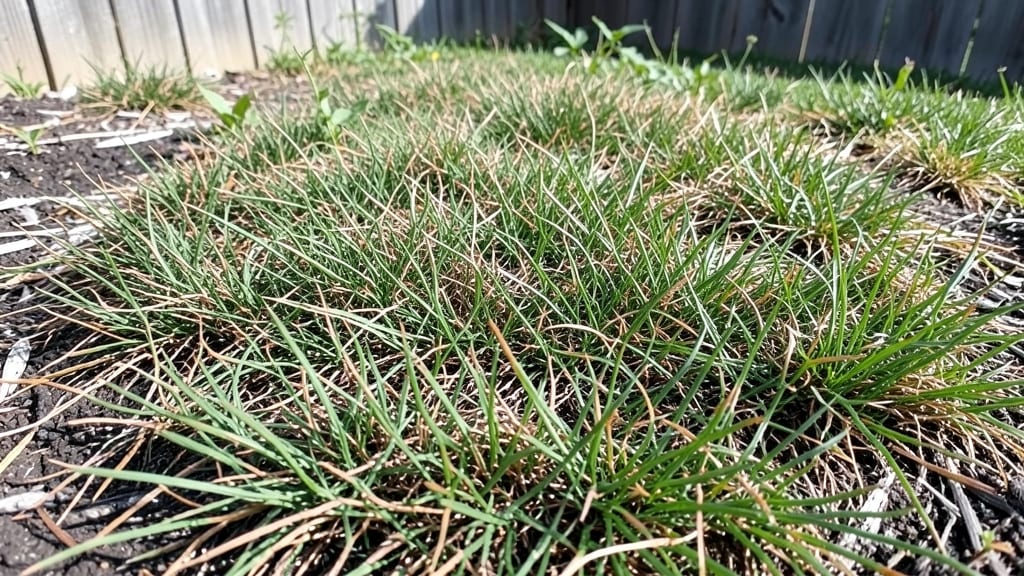
Bermuda grass turning brown isn't a death sentence—it's a wake-up call your lawn is begging for help. 🌱 I've seen patches go from crispy to vibrant green again by fixing just three key issues, and the best part? You don't need fancy tools or secret formulas.
The problem usually boils down to either too little water, too much heat stress, or a hidden pest party you can't see. My own lawn went from sad brown circles to lush green in under two weeks after I adjusted my sprinkler schedule and checked for grubs.
The first step is diagnosing what's really going on—is it drought, disease, or something munching underground? Bermuda grass is tough, but even tough plants need the right care. Most people overwater or underwater, and both create that telltale brown look.
You'll also want to check for thatch buildup or fungal spots that look like dollar coins. The fix isn't complicated: proper watering, occasional aeration, and a quick soil test can reveal if your grass is thirsty or starving for nutrients.
Within days of the right treatment, you'll see new green shoots pushing through the dead patches—it's like watching a miracle happen. The key is acting fast before the brown spreads.
My lawn now stays green through summer heat because I water deeply twice a week and fertilize at the right time. You'll end up with a lawn that handles drought better, recovers faster from foot traffic, and looks healthier than ever.
This works for any Bermuda grass variety, whether you're dealing with a small patch or a whole yard. The same principles apply whether you're in the South or Southwest—just adjust watering times to avoid midday heat stress. Let's get those patches turning green again.
Root Causes Behind Brown Bermuda Grass
When your once-lush Bermuda grass turns brown, it’s usually a sign that something’s disrupting its health—whether it’s environmental stress, poor maintenance, or hidden pests. Understanding the why behind the browning is the first step to bringing it back to life.
Below, we break down the most common culprits with clear explanations and actionable insights.
###
🌞 Heat and Drought Stress
Bermuda grass is drought-tolerant, but extreme heat without enough water can push it past its limits. When temperatures soar above 90°F (32°C), the grass’s photosynthesis slows, and its roots struggle to absorb moisture.
Without adequate hydration, the blades lose their green pigment (chlorophyll) and turn brown—a survival mechanism to reduce water loss.
Why it happens:
- Shallow root systems: Bermuda grass has aggressive but shallow roots (typically 6–12 inches deep). During droughts, these roots can’t reach deep enough water, causing surface browning.
- Transpiration overload: Hot, dry winds increase water evaporation from the grass blades faster than the roots can replenish it.
- Soil moisture imbalance: Sandy soils (common in Bermuda’s native regions) drain quickly, leaving grass high and dry.
💡 Pro Tip: Water deeply 1–2 times per week (1–1.5 inches per session) during heatwaves, focusing on early morning (before 10 AM) to minimize evaporation. If your grass is already brown, check soil moisture 2 inches below the surface—if it’s dry, it’s time to water.
###
⚡ Overwatering or Poor Drainage
Too much water can be just as damaging as too little. Bermuda grass thrives in well-drained soils, but when water pools around roots due to clay soil, compacted turf, or improper irrigation, oxygen is cut off, leading to anaerobic stress.
This causes the grass to turn brown or develop a grayish tint as it suffocates.
Why it happens:
- Root asphyxiation: Waterlogged soil displaces oxygen in the root zone, preventing cellular respiration. Without oxygen, roots can’t absorb nutrients or water efficiently.
- Fungal infections: Excess moisture creates the perfect environment for Pyricularia (brown patch disease) or Rhizoctonia, which thrive in damp, stagnant conditions.
- Salt buildup: Overwatering with hard water (high in minerals) leaves behind salt deposits, which burn grass roots and stunt growth.
🔧 Fix It:
- Test your soil’s drainage by digging a 6-inch hole and filling it with water. If it drains in less than 2 hours, you’re good. If it takes longer, amend with compost or sand.
- Avoid frequent light waterings—opt for infrequent, deep soakings to encourage deep root growth.
- If your lawn has low spots, consider aeration to improve airflow and drainage.
###
✂️ Improper Mowing or Scalping
Bermuda grass is hardy, but cutting it too short (below 1 inch) weakens its ability to photosynthesize and store energy. When grass is scalped, the remaining blades can’t support the plant’s needs, leading to browning, thinning, and increased susceptibility to weeds.
Why it happens:
- Reduced chlorophyll production: Shorter blades have less surface area to absorb sunlight, slowing growth and turning brown.
- Exposed crowns: Cutting too low damages the crown (the base of the grass plant), where new growth originates.
- Stress response: The grass diverts energy to recover from damage instead of expanding, leading to patchy browning.
🌱 Best Practices:
- Mow Bermuda grass at 1–1.5 inches during active growth (spring/fall) and 1.5–2 inches in summer to protect roots.
- Never remove more than ⅓ of the blade height in a single mowing.
- Sharpen mower blades regularly—dull blades tear grass, causing brown tips and stress.
###
🐜 Pests and Diseases Attacking Roots
Brown patches that spread quickly or appear in specific areas may signal an underground battle. Bermuda grass is vulnerable to grubs, chinch bugs, and fungal pathogens like brown patch (Rhizoctonia solani) or dollar spot (Sclerotinia homoeocarpa).
These pests and diseases feast on roots and crowns, starving the grass of nutrients and water.
Why it happens:
| Pest/Disease | Symptoms | Trigger Factors |
|---|---|---|
| Chinch Bugs | Small, brown, irregular patches that spread; grass pulls up easily. | Drought stress, compacted soil, or over-fertilization with nitrogen. |
| Grubs (White Grubs) | Yellowing grass that rolls up like carpet; increased mole/crow activity. | Overwatered lawns, thatch buildup, or grub eggs laid in summer. |
| Brown Patch (Fungus) | Circular brown patches with a "smoky ring" at the edges; worse at night. | High humidity, overwatering, or nighttime irrigation. |
🛡️ Take Action:
- For chinch bugs, apply neem oil or insecticidal soap early in the season.
- Treat grubs with beneficial nematodes or grub-specific pesticides in late summer.
- Fungal issues? Reduce nighttime watering and apply fungicide (like propiconazole) if patches persist.
###
🌡️ Nutrient Deficiencies or Over-Fertilization
Bermuda grass needs a balance of nitrogen (N), phosphorus (P), and potassium (K). Too little of any nutrient weakens the grass, while too much (especially nitrogen) can burn roots or promote rapid, weak growth that’s prone to stress.
Why it happens:
- Nitrogen deficiency: Leads to pale, yellowish-brown grass. Essential for chlorophyll production, nitrogen is often leached away by overwatering.
- Potassium deficiency: Causes brown, crispy edges on blades and weakens disease resistance.
- Over-fertilization: Excess salts from fertilizers burn roots, leading to browning. Common with quick-release fertilizers applied in heat.
📊 Soil Test First:
- Send a soil sample to your local Cooperative Extension Service to check pH and nutrient levels.
Quick fixes for reviving brown Bermuda grass
Seeing patches of brown in your lush Bermuda grass can be frustrating, but the good news is that most issues are fixable with the right approach. Below are targeted solutions for the most common causes—drought, disease, pests, poor soil, and over/underwatering—along with prevention tips to keep your lawn vibrant.
Let’s get your grass back to green in no time! 🌱
###
💧 Drought Stress: Hydrate Deeply and Smartly
If your Bermuda grass is brown due to dry conditions, the fix is simple: watering. But not just any watering—deep, infrequent soakings encourage strong root growth.
- 🔥 Step 1: Check Soil Moisture Dig a small hole (3–4 inches deep). If the soil is dry, it’s time to water. If it’s still damp, wait a day or two before checking again.
- 🍳 Step 2: Water Early Morning Water between 6–10 AM to reduce evaporation and fungal risks. Aim for 1–1.5 inches per week, including rainfall.
- 👨🍳 Step 3: Use a Soaker Hose or Sprinkler Apply water slowly to allow it to penetrate deep (6–8 inches). Avoid light, frequent watering, which promotes shallow roots.
- 🥘 Step 4: Monitor for Improvement Brown patches should green up within 7–10 days if the issue was purely drought-related.
💡 Pro Tip: If your lawn is established, reduce watering frequency once it recovers to prevent overdependence on irrigation.
###
🦠 Fungal Diseases: Treat and Prevent Spread
Brown spots with a fuzzy texture or rings? Fungal infections like brown patch or dollar spot are likely culprits. Act fast with these steps:
- 🔥 Step 1: Improve Airflow Thin out dense grass by mowing higher (1–1.5 inches) and removing debris. Fungi thrive in humid, shaded conditions.
- 🍳 Step 2: Apply Fungicide Use a systemic fungicide (like propiconazole or azoxystrobin) for severe cases. Follow label instructions for timing and safety.
- 👨🍳 Step 3: Water in the Morning Avoid evening watering, which keeps grass damp overnight—fungi’s favorite environment.
- 🥘 Step 4: Overseed Bare Spots Once the fungus clears, fill thin areas with Bermuda grass seed to restore density.
🌡️ Prevention: Aerate your lawn in spring and fall to reduce compaction and improve drainage.
###
🐜 Pest Damage: Eliminate Invaders
Grubs, chinch bugs, or sod webworms can turn your grass brown overnight. Here’s how to tackle them:
- 🔥 Step 1: Identify the Pest Lift a small section of grass. Grubs look like white, C-shaped larvae; chinch bugs are tiny black bugs with white markings.
- 🍳 Step 2: Apply Insecticide Use a grub-specific treatment (like imidacloprid) or a chinch bug bait (like bifenthrin). Reapply as needed.
- 👨🍳 Step 3: Encourage Natural Predators Birds and toads eat grubs! Avoid overusing pesticides to maintain a balanced ecosystem.
- 🥘 Step 4: Repair Damaged Areas Rake out dead grass and reseed or lay sod once pests are gone.
🎯 Prevention: Keep your lawn healthy with regular mowing, proper watering, and overseeding to deter pests.
###
🌱 Poor Soil: Feed and Aerate
Compacted or nutrient-deficient soil strangles Bermuda grass roots, leading to brown patches. Revive it with these steps:
- 🔥 Step 1: Aerate the Lawn Rent a core aerator to pull small plugs from the soil, reducing compaction. Do this in spring or fall.
- 🍳 Step 2: Test Soil pH and Nutrients A soil test kit (available at garden centers) will show if your lawn needs lime (for acidic soil) or fertilizer (low nitrogen/phosphorus).
- 👨🍳 Step 3: Apply Compost or Topdress Spread a ¼-inch layer of compost over the lawn and lightly rake it in. This improves soil structure and adds organic matter.
- 🥘 Step 4: Fertilize Properly Use a slow-release, high-nitrogen fertilizer (like 16-4-8) in early spring and late summer.
✨ Long-Term Tip: Add mycorrhizal fungi to your soil to boost root health and drought resistance.
###
⚖️ Watering Woes: Fix Over/Underwatering
Too much or too little water both stress Bermuda grass. Here’s how to strike the right balance:
| Issue | Signs | Fix |
|---|---|---|
| Overwatering | Mushy grass, yellowing, fungal growth | Let soil dry between waterings. Improve drainage with sand or compost. |
| Underwatering | Crunchy, footprints remain, soil pulls away from edges | Water deeply 2–3 times per week (early morning). Check sprinkler coverage. |
💡 Pro Tip: Install a rain gauge to track watering accuracy and adjust as needed.
With these targeted fixes, your Bermuda grass should bounce back to its rich green self in weeks. Prevention is key—stay consistent with watering, mowing, and soil care to keep brown patches at bay for good! 🌿
Frequently asked questions about reviving brown Bermuda grass
Why does my Bermuda grass turn brown in hot weather?
Bermuda grass goes dormant in extreme heat (90°F+) to conserve water, causing browning. Its shallow roots (6-12 inches deep) can't reach moisture during droughts, triggering this survival response. Water deeply 1-2 times per week in early morning to encourage root growth and reduce stress.
How can I tell if brown patches are from pests vs. drought?
Pest damage (like grubs or chinch bugs) creates irregular patches that spread quickly, while drought causes uniform browning that starts in dry spots. Lift a small section of grass—if you see white grubs or tiny black bugs, pests are likely. Drought-stressed grass will pull up easily with dry roots.
Will my Bermuda grass recover if I water it now?
Yes, but recovery depends on how long the grass has been brown. If patches are less than 2 weeks old, deep watering (1-1.5 inches per week) can revive it within 7-10 days. Older patches may need overseeding or aeration. For best results, water early morning and avoid evening sessions to prevent fungal growth.
Can I fertilize brown Bermuda grass to help it recover?
Only if the soil is nutrient-deficient. First, test your soil's pH and nutrient levels. If nitrogen is low, apply a slow-release fertilizer (16-4-8) in early spring or late summer. Avoid fertilizing during drought or extreme heat—it can burn roots and worsen browning. Focus on watering first.
How do I know if my brown grass is dead or just dormant?
Pull up a small section: if the roots are white and firm, the grass is dormant and will recover with proper care. If roots are brown and mushy, the grass is dead and needs reseeding. Bermuda grass typically recovers from dormancy within 2-4 weeks of consistent watering and cooler temperatures.