
Lawn
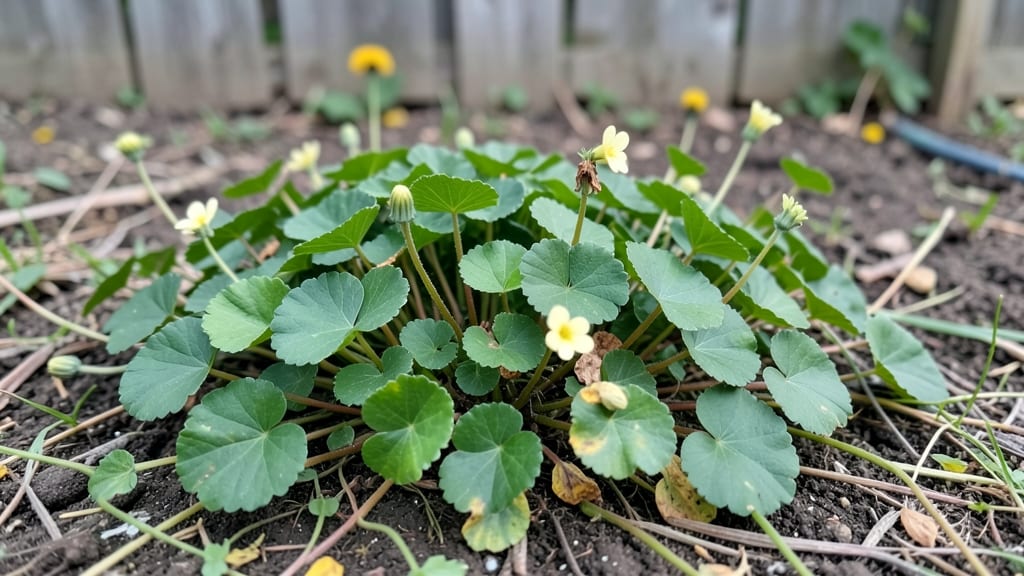
Your lawn’s sour grass plant problem isn’t just about yellow patches—it’s a fungal infection that turns your grass into a stinky, vinegar-scented eyesore if you ignore it.
Waking up to that sharp, unpleasant smell is a dead giveaway: your grass isn’t just unhealthy—it’s under attack by Rhizoctonia solani, a fungus that thrives in damp, compacted soil. The good news? You can reverse the damage faster than you think, even without harsh chemicals.
In this guide, I’ll break down why this happens—from poor drainage to overwatering—and share five fast fixes to kill the fungus and restore your lawn’s vibrant green. No guesswork, just science-backed steps to get your grass back on track.
Ready to save your lawn? Let’s start with the root cause and how to stop it in its tracks.

What causes sour grass (and why your lawn smells like vinegar)
There’s nothing more alarming than stepping onto your lawn and detecting that unmistakable vinegar-like odor—a dead giveaway your grass is infected with sour grass, a fungal disease caused by Rhizoctonia solani.
This aggressive pathogen thrives in humid climates and damp conditions, turning healthy blades into yellow, slimy patches that smell like spoiled milk. Unlike other lawn diseases, sour grass produces a distinctive sour odor due to organic acids released as the fungus breaks down grass tissue.
The fungus spreads through spores in soil and thrives when your lawn is stressed—whether from overwatering, poor drainage, or compacted soil. It’s not just unsightly; if ignored, it can kill up to 30% of your lawn in as little as 2 weeks.
The key to stopping it? Understanding its triggers and acting fast. Let’s break down the science behind the stench and how to identify it before it’s too late.
| Cause | Description | Solution |
|---|---|---|
| Fungal Pathogen | Rhizoctonia solani thrives in warm, damp soil | Apply fungicide (propiconazole) |
| Excess Moisture | Overwatering or poor drainage creates ideal fungal conditions | Aerate soil and reduce watering |
| Compacted Soil | Reduces airflow, trapping moisture and spores | Core aeration every 6 months |
| High Humidity | Fungus spreads rapidly in 70%+ humidity | Improve airflow with proper mowing |
| Organic Acids | Fungus produces acetic acid, causing sour smell | Remove infected patches immediately |
The sour odor comes from the fungus releasing acetic acid as it decomposes grass cells. This isn’t just a smell issue—it’s a chemical signal that your lawn is under siege.
The fungus Rhizoctonia solani doesn’t just attack grass; it also targets strawberries, potatoes, and beans, making it a garden-wide threat if left unchecked. Unlike other lawn diseases like brown patch or dollar spot, sour grass spreads horizontally through underground hyphae, making it harder to contain.
One of the biggest mistakes homeowners make is mistaking sour grass for dollar spot or fungal leaf spot. While those diseases also cause yellow patches, they lack the vinegar-like stench and slimy texture. Sour grass patches often appear greasy or wet to the touch, even when dry.
If you’ve ever smelled a rotten apple mixed with wet hay, that’s your fungus talking. The sooner you act, the better your chances of saving your lawn.
Humid climates like the Southeast and Gulf Coast are hotspots for sour grass because the fungus loves warm, moist conditions. Even in drier regions, poor watering habits—like watering at night or using sprinklers that create puddles—can trigger outbreaks.
The fungus also hitches rides on lawn equipment, so if you’ve mowed an infected area, you’ve likely spread spores to healthy grass. That’s why disinfecting mower blades with a 10% bleach solution is a game-changer.
Diagnosing sour grass early is critical. Start by checking for irregular yellow patches that feel soft or mushy. Dig up a small section—healthy roots should be white, while infected roots will be dark brown or black. If you see white, cottony fungal growth on the roots, that’s your confirmation.
The fungus thrives in soil pH between 5.5 and 6.5, so testing your soil’s pH can reveal if your lawn is already at risk. Aim for a neutral pH (6.0–7.0) to discourage fungal growth.
What makes sour grass especially tricky is its aggressive spread. Unlike slow-moving diseases, this fungus can double its infected area in just 5 days under ideal conditions. That’s why removing infected patches immediately is your first line of defense.
Use a shovel to dig out the affected area (including 2–3 inches of soil) and dispose of it in a sealed bag. Never compost infected plant material—this just spreads the spores.
If your lawn is already heavily infected, don’t panic. The key is to break the fungus’s life cycle by improving drainage, reducing humidity, and applying fungicidal treatments.
Organic options like neem oil or baking soda sprays can help, but for severe cases, a systemic fungicide like propiconazole is your best bet. Always follow the label instructions—overapplying can harm beneficial microbes in your soil.
With the right approach, you can revive your lawn in 4–6 weeks, not months.
Prevention is your best weapon against sour grass. Focus on soil health, <
5 Fast fixes to kill sour grass and restore your lawn’s health
If your lawn is turning yellow and emitting a vinegar-like smell, you’re dealing with sour grass—a fungal infection caused by Rhizoctonia solani. The good news? This problem is fixable with targeted action.
Start by addressing the most urgent issues first: removing infected areas and improving airflow to stop the spread. Then, move to treatments that target the fungus directly, whether through DIY remedies or professional-grade solutions.
The key to success is acting quickly. Sour grass thrives in damp, shaded conditions, so your first steps should focus on drying out the lawn and reducing humidity. Once you’ve contained the problem, you’ll need to restore your grass’s health with proper soil care and fungicides.
Let’s break down the 5 fastest fixes to get your lawn back in shape.
- 1 Remove infected patches immediately—dig up and dispose of yellowed grass clumps to prevent spores from spreading. Use a shovel to cut 2-3 inches deep around affected areas.
- 2 Improve airflow by thinning out dense grass or trimming overgrown shrubs. Aim for 3-4 inches of mowing height to encourage airflow and reduce humidity.
- 3 Apply baking soda (DIY remedy)—mix 1 cup baking soda with 1 gallon of water and spray on infected areas. Repeat weekly until the sour smell fades.
- 4 Use fungicide like propiconazole for severe cases. Follow label instructions—typically 1 application every 2-3 weeks during humid months.
- 5 Aerate the soil to improve drainage and root health. Rent a core aerator or hire a pro—aim for spring or early fall for best results.
After treating the infected areas, focus on preventing recurrence. Water your lawn in the early morning to allow foliage to dry quickly, and avoid over-fertilizing with nitrogen, which encourages fungal growth.
A balanced fertilizer (10-10-10) applied in early spring and summer will support healthy grass without inviting sour grass back.
For long-term health, consider overseeding with a drought-resistant grass variety like tall fescue or perennial ryegrass. These grasses recover faster from stress and resist fungal infections better than weak, thin lawns. With consistent care, your lawn can bounce back to a lush, green carpet in just a few months.
Don’t let sour grass win—act fast, and your lawn will thank you with vibrant growth. Start with the immediate fixes, then build a routine to keep your grass healthy year-round. 🌱