
Lawn
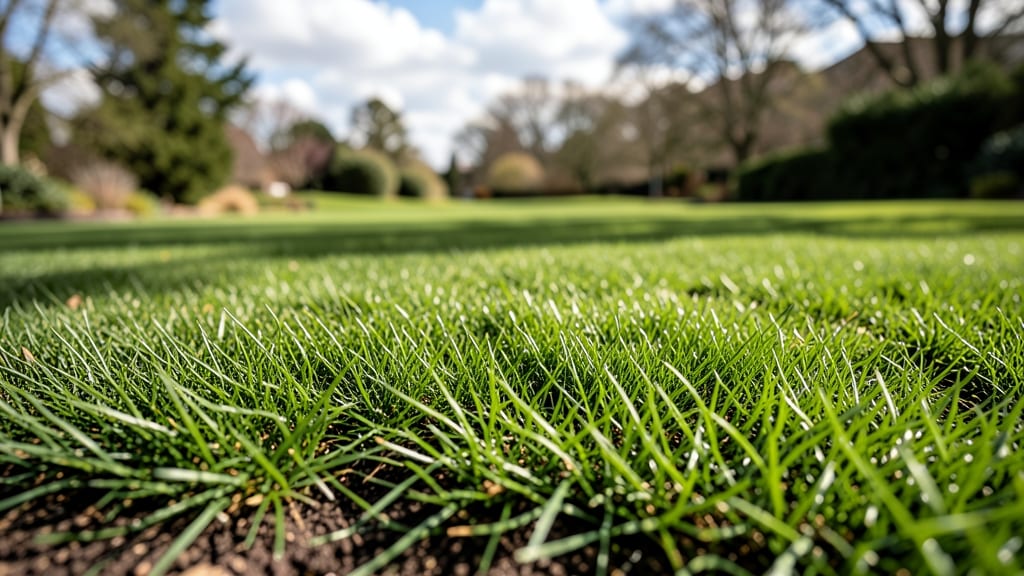
Those bright green grass patches in your lawn aren’t always a sign of health—they’re often a cry for help. 🌱 I’ve seen this "vibrant" green fool gardeners into thinking their lawn is thriving, only to discover it’s actually suffering from over-fertilization, moss, or uneven soil.
The key to fixing it lies in understanding the real cause, not just chasing that artificial color.
Most people assume bright green means healthy, but it’s usually a red flag. Over-fertilization burns roots, moss thrives in shaded, damp spots, and soil variations create uneven growth.
A simple soil test reveals the truth—whether your lawn needs nitrogen, lime, or better drainage. Skipping this step means wasting time and money on the wrong fixes.
Within 48 hours, you can start reversing the damage. Adjust your mowing height, apply the right fertilizer (or none at all), and tackle moss with targeted treatments. The goal isn’t just quick results—it’s restoring your lawn’s natural balance so it stays lush without the artificial boost.
This method works for any lawn, from small backyards to large properties. The secret isn’t in fancy products but in diagnosing the root cause and treating it right. Let’s get your grass growing the way nature intended—strong, even, and truly green.
Root Causes Behind Uneven Growth
Bright green grass patches popping up in your lawn can be as puzzling as they are eye-catching. While they might seem like a sign of a thriving lawn, they often signal underlying issues that disrupt the balance of your turf.
Understanding the why behind these patches is the first step to restoring uniformity—and health—to your grass. Let’s break down the most common culprits, backed by science and actionable insights.
When grass receives too much water, it triggers rapid, shallow root growth. This creates lush, bright green patches that look healthy on the surface but are actually stressed underneath.
Poor drainage exacerbates the problem, leaving pockets of your lawn soggy while others dry out. The result? Weak roots, increased susceptibility to disease, and an uneven appearance.
How to spot it:
- Grass feels spongy or mushy underfoot
- Patches stay green even after rain stops
- Water pools in low-lying areas for hours
Science behind it: Excess moisture starves grass roots of oxygen, forcing them to grow upward in search of sunlight. This superficial growth is why the grass looks vibrant but struggles to survive drought or foot traffic.
Fertilizer is like a double-edged sword—too little, and your lawn lacks nutrients; too much, and you create hotspots of rapid, unnatural growth. Bright green patches often appear where fertilizer granules dissolve unevenly, delivering a concentrated dose of nitrogen to a small area.
This causes grass to grow faster than its neighbors, creating a stark contrast.
How to spot it:
- Patches turn bright green immediately after fertilizing
- Grass feels slippery or slick (sign of excess nitrogen)
- Weeds or crabgrass thrive in the same spots
Science behind it: Nitrogen promotes leafy growth, but an overload disrupts the C:N (carbon-to-nitrogen) ratio in the soil. Microbes struggle to break it down, leading to soil burn and imbalanced turf.
Grass is a sun-lover, and when patches receive more or less sunlight than others, their growth habits diverge. For example:
- New shade (e.g., from a tree or fence): Grass slows growth, turns dull, and may develop fungal issues.
- Sudden sunlight (e.g., after trimming a bush): Grass in the newly sunlit area explodes in growth, creating a bright green contrast.
This mismatch stresses the lawn’s uniformity, as different grass types or soil conditions react differently to light.
How to spot it:
- Patches align with structures or trees casting shade
- Grass near edges (e.g., sidewalks, driveways) grows faster
- Color shifts after seasonal changes (e.g., winter vs. summer)
Science behind it: Photosynthesis rates vary with light exposure. Shaded grass produces less chlorophyll, while sun-drenched patches overproduce it, leading to the bright green contrast.
Compacted soil or hidden pests can create micro-environments where grass grows differently. For instance:
- Grubs or insects: They feast on roots, causing thin, patchy growth—but if the damage is uneven, surviving grass may rebound quickly in certain spots, creating bright green "recovery zones."
- Soil compaction: Heavy foot traffic or machinery can crush roots in some areas, while others remain loose. The less-compacted soil allows grass to absorb water and nutrients more efficiently, leading to lush patches.
Both issues disrupt the lawn’s natural balance, making it prone to uneven growth.
How to spot it:
- Patches feel harder or spongier than the rest
- You see insects, moles, or tunnels in the soil
- Grass pulls up easily in certain areas (sign of root damage)
Science behind it: Compacted soil reduces oxygen and water infiltration, while pest damage creates nutrient-rich zones as decomposing organic matter fertilizes the soil unevenly.
Even within a single lawn, microclimates can form—tiny ecosystems where temperature, humidity, or wind patterns differ slightly. For example:
- South-facing slopes: Warmer and drier, encouraging dormant grass to wake up and grow rapidly.
- North-facing or low areas: Cooler and moister, which may suppress growth or promote fungal activity.
- Urban heat islands: Pavement or buildings radiate heat, creating hot spots where grass grows faster.
These variations can turn your lawn into a patchwork of green intensities.
How to spot it:
- Patches correspond to land slopes or building shadows
- Grass near driveways or sidewalks stays greener longer
- Color changes throughout the day (e.g., morning vs. afternoon)
Science behind it: Temperature affects enzyme activity in grass roots. Warmer soil speeds up metabolic processes, leading to faster growth and higher chlorophyll production in those areas.
Fix Your Lawn’s Uneven Color
Bright green grass patches can be a frustrating sight, but the good news is that most causes have quick, practical fixes. Below, we’ve mapped out step-by-step solutions for each common trigger—plus prevention tips to keep your lawn lush and even.
Let’s get your yard back to its best in 48 hours or less!
Problem: Too much water (or none draining properly) leads to soggy, uneven growth—often seen as bright green spots where water pools.
How to Fix It: 🍳 Step 1: Test Your Soil’s Moisture
- Dig a small hole (3–4 inches deep) in the affected patch. If the soil is squishy or smells like wet socks, you’re overwatering.
- If it’s bone-dry, you’re underwatering (but this usually causes brown patches, not green ones).
👨🍳 Step 2: Adjust Your Watering Routine - For overwatering: Water deeply 2–3 times per week (early morning) instead of daily light sprinkles.
Aim for 1–1.5 inches per week (check with a rain gauge or tuna can). - For poor drainage: Aerate the area with a core aerator (rent one or hire a pro).
This creates holes for water to escape. - Pro tip: 💡 If your lawn has clay soil, mix in compost or sand (top 2–3 inches) to improve drainage.
🥘 Step 3: Rake and Level
- After aerating, rake the patch to break up compacted soil. Fill low spots with topsoil or sand to encourage even water absorption.
⏰ Time to See Results: 24–48 hours (soil will firm up, and growth will even out).
Problem: Bright green patches from too much nitrogen (common with synthetic fertilizers) or uneven spreading can scorch roots while promoting top growth.
How to Fix It: 🔪 Step 1: Flush the Soil
- Water the area deeply for 10–15 minutes to rinse excess fertilizer. Repeat 2–3 times over 2 days.
- Avoid fertilizing for 4–6 weeks to let the lawn recover.
🌡️ Step 2: Use a Low-Nitrogen Fix
- Switch to a balanced fertilizer (e.g., 10-10-10 or organic options like compost tea or fish emulsion).
- Pro tip: ✨ Slow-release fertilizers (like milk-fed beef or soybean meal) feed grass gradually without burning.
🎯 Step 3: Overseed Thin Spots
- Once the patch recovers, sprinkle grass seed (match your lawn type) and lightly rake. Keep moist for 7–10 days.
⏰ Time to See Results: 7–14 days (new growth fills gaps).
Problem: Grubs, chinch bugs, or fungal infections (like dollar spot) can create bright green "hot spots" where pests or microbes thrive.
How to Fix It: 🔥 Step 1: Identify the Culprit
- Grubs? Dig up a small patch—if you see white, C-shaped larvae, it’s grubs.
- Chinch bugs? Look for tiny black bugs on the underside of blades.
- Fungus? Check for white or pink mold on blades (common in humid weather).
👨🍳 Step 2: Treat Accordingly
- Grubs/Chinch Bugs:
- Apply beneficial nematodes (microscopic worms that eat grubs) or neem oil spray.
- For severe cases, use imidacloprid (follow label instructions).
- Fungus:
- Spray with baking soda solution (1 tbsp baking soda + 1 gallon water) or copper fungicide.
- Pro tip: 💡 Improve airflow by trimming tall grass and spacing plants properly.
🥘 Step 3: Strengthen the Lawn
- After treatment, fertilize lightly with potassium-rich fertilizer (like greensand) to boost immunity.
⏰ Time to See Results: 3–7 days (pests die off; fungus recedes).
Problem: Some grass types thrive in shade, while others need full sun—mismatches create uneven color.
How to Fix It: 📊 Step 1: Know Your Grass Type
- Sun-lovers: Kentucky Bluegrass, Bermuda, Zoysia.
- Shade-tolerant: Fine Fescue, St. Augustine, Ryegrass.
💪 Step 2: Adjust or Replace
- If your lawn is mostly sunny but has shady patches, overseed with a sun-tolerant shade mix.
- If it’s mostly shady, switch to a shade blend (or thicken existing grass with topdressing).
🍎 Step 3: Mow and Mulch Properly
- Never cut more than ⅓ of the blade—keep grass at 2.5–3.5 inches for shade types.
- Mulch clippings to return nutrients to the soil.
⏰ Time to See Results: 4–6 weeks (new seed takes time to establish).
Once you’ve fixed the issue, lock in success with these habits:
- Water wisely: Early morning, deep and infrequent.
- Fertilize smart: Use slow-release organics and follow label rates.
- Mow high: 3–4 inches for most grasses (taller = deeper roots).
- Aerate annually: Fall is best for most climates.
- Test soil: Every 2–3 years to check pH/nutrients (ideal: 6.0–7.0 pH).
Final Note: Most bright green patches resolve within 48 hours if you address the root cause. For stubborn issues, combine treatments (e.g., aerate + adjust watering + fertilize lightly). Your lawn will be uniform and vibrant in no time! 🌱✨
Frequently asked questions
Are bright green grass patches always a sign of over-fertilization?
Not necessarily! While over-fertilization is a common cause, bright green patches can also signal moss growth, uneven watering, or soil variations. Moss thrives in damp, shaded areas, creating lush green spots, while overwatering can lead to shallow root growth that looks vibrant but is unhealthy. Always check the soil and grass type before assuming fertilizer is the issue.
How do I tell if my bright green patches are from moss or over-fertilization?
Pull up a small sample: moss will come out in a soft, spongy mat, while over-fertilized grass will have longer blades with a slippery feel. Moss also stays green year-round, while fertilizer-induced patches often appear immediately after applying nutrients. If you see tiny black dots (chinch bugs) or white larvae (grubs), pests may be contributing too.
Will fixing bright green patches make my lawn turn brown temporarily?
Yes, it’s normal! Correcting over-fertilization or adjusting watering can cause stress to the grass as it recalibrates. You may see temporary browning in 24–48 hours before even growth returns. This is a sign the lawn is rebalancing, not failing. Keep watering lightly during this transition to help recovery.
Can I use vinegar to kill moss in bright green patches?
Vinegar works for spot treatments, but it’s not selective—it’ll also kill grass. For targeted moss removal, use a copper-based fungicide or a moss-killing product like iron sulfate. After treating, overseed the area with shade-tolerant grass seed to prevent regrowth. Always test a small area first!
How often should I aerate my lawn to prevent uneven growth?
Aerate once a year, ideally in early fall when grass is actively growing. This breaks up compacted soil, improving water and nutrient absorption. For high-traffic areas or clay soil, aerate twice a year (spring and fall). Pair aeration with topdressing (a thin layer of compost) to further even out soil conditions.