
Lawn
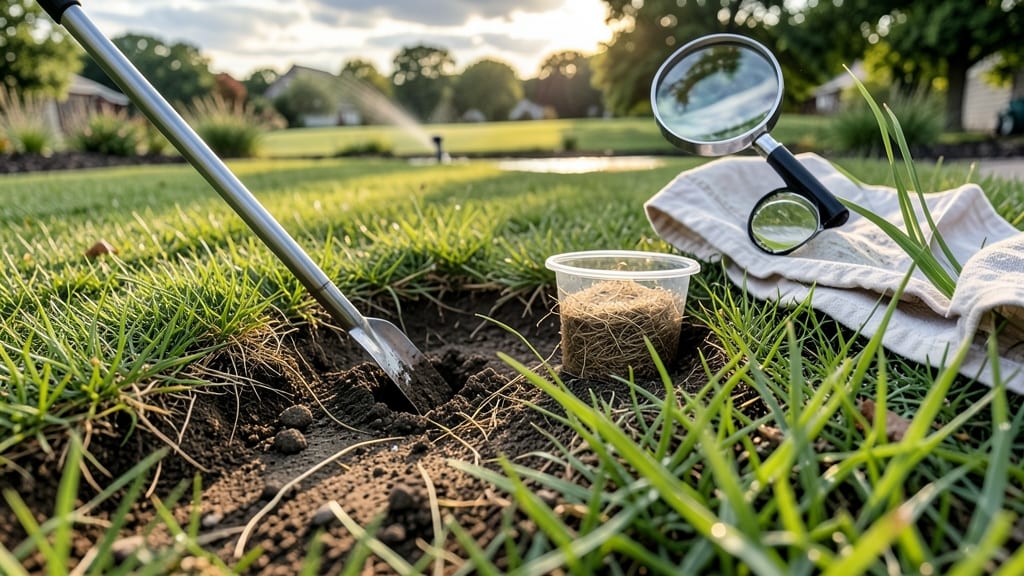
Why do I have these dark green spots on my lawn? They’re not just an eyesore—they’re a sign your grass is struggling. 🌱 Whether it’s slippery algae or soft moss, these patches thrive when your lawn isn’t getting what it needs. The good news? You can turn this around fast with the right fixes. First, grab a magnifying glass (or just your phone’s camera) to check the texture. Algae feels slimy and grows in thin sheets, while moss has a spongy, velvety look. Both love wet conditions, but moss also needs shade. Overwatering or poor drainage? That’s their invitation to move in. The fix starts with cutting back on water—your lawn needs air, not a swamp. For moss, rake it out and let sunlight hit the soil. Algae? A sprinkle of lawn sand or lime can starve it out. Within 2-3 weeks, you’ll see a difference if you act now. This isn’t a forever battle—just a quick reset. Once your grass recovers, those spots won’t stand a chance. Let’s get your lawn back to its best.
Understanding The Root Causes
Dark green spots on your lawn can be frustrating, but they’re often the result of specific conditions that favor certain plants over grass. Let’s break down the science behind the most common culprits—so you can identify the problem and take action.
Dark green spots often appear when your lawn stays too wet for too long. Algae and moss thrive in damp, shady conditions, while grass struggles to grow in waterlogged soil. Here’s why:
- Oxygen Deprivation: When soil stays saturated, grass roots suffocate because they can’t absorb enough oxygen.
This creates ideal conditions for moss and algae, which don’t need deep roots. - Fungal Growth: Excess moisture encourages fungal diseases like red thread or dollar spot, which can also create dark, discolored patches. - Clay Soil Trap: If your yard has heavy clay, water pools instead of draining, worsening the problem.
💡 Pro Tip: Test your soil’s drainage by digging a small hole (6 inches deep) and filling it with water. If it drains slowly (more than 4 hours), you likely need sand or compost amendments to improve aeration.
Grass needs 4–6 hours of direct sunlight daily to stay healthy. When shaded areas get too little light, moss and algae take over because they grow well in low-light conditions.
- Weak Grass Roots: Shade-stressed grass becomes thin and weak, making it easy for moss to spread.
- Algae Blooms: In damp, shaded spots, algae can form a slimy, dark green mat that smothers grass.
- Tree Canopy Impact: Large trees block sunlight and drop leaves that create a thick mulch layer, trapping moisture.
🌡️ Fix It: If possible, trim overhanging branches or plant shade-tolerant grass varieties like fine fescue or Kentucky bluegrass.
The pH of your soil plays a huge role in what grows where. Moss and algae prefer acidic soil (pH 4.5–6.0), while most lawn grasses thrive in slightly acidic to neutral soil (pH 6.0–7.5).
- Acidic Soil = Moss Heaven: If your soil is too acidic, grass struggles, and moss spreads rapidly.
- Compacted Soil: Poor soil structure (often from foot traffic or heavy equipment) reduces oxygen and nutrients, making grass weak and inviting moss.
- Lime Deficiency: Without enough calcium (from lime), grass can’t compete with invasive plants.
📊 Test Your Soil: Use a home pH test kit (available at garden centers) or send a sample to a local extension office. If pH is below 6.0, apply pelletized lime in early fall.
Sometimes, dark green spots aren’t just moss or algae—they could be fungal infections or insect damage weakening your grass.
- Fungal Diseases (e.g., Brown Patch, Dollar Spot): These create dark, circular spots with a greenish tint at the edges as the fungus spreads.
- Grubs And Insects: Grubs feed on grass roots, leaving patches that turn dark green as moss or weeds move in.
- Slime Molds: These look like dark green, slimy blobs but aren’t harmful—they disappear when the lawn dries out.
🔥 Act Fast: If you suspect disease, apply a fungicide labeled for your grass type and improve airflow with regular mowing and aeration.
Ironically, over-fertilizing with nitrogen can create dark green spots by promoting weeds, moss, and algae while stressing grass.
- Uneven Growth: Excess nitrogen causes rapid, weak growth that can’t compete with invasive plants.
- Algae Blooms: Nitrogen runoff feeds algae, turning spots into slimy green patches.
- Burnt Grass Edges: If fertilizer is too concentrated, it can kill grass at the edges of spots, leaving a dark contrast.
✨ Balance Is Key: Use a slow-release fertilizer and follow label rates. If spots persist, test soil nutrients before reapplying.
Heavy foot traffic, pets, or machinery can compact soil, reducing airflow and nutrients to grass roots. This creates thin, stressed patches where moss and weeds take over.
- Root Smothering: Compacted soil prevents roots from expanding, making grass weak.
- Water Pooling: Compacted areas hold water longer, encouraging moss and algae.
- Uneven Wear: High-traffic zones (like pet paths) often develop dark green spots from constant disturbance.
👨🍳 Fix It: Aerate your lawn in fall with a core aerator to relieve compaction. Top-dress with compost to improve soil structure.
Before grabbing a rake or herbicide, determine what’s causing the spots:
- Is it slimy? → Likely algae.
- Is it soft and spongy? → Probably moss.
- Are there circular patterns? → Could be fungal disease.
- Does it feel dry but discolored? → Might be grubs or compaction.
Once you know the cause, you can target treatments—not just mask the problem. 🚀
Fixing Dark Green Spots for Good
Now that you’ve identified the culprit behind those pesky dark green spots—whether it’s algae, moss, or another issue—it’s time to take action! The good news? Most fixes are simple, cost-effective, and can restore your lawn to its lush, even glory.
Below, we’ll break down targeted solutions for each common cause, plus prevention tips to keep your lawn spot-free in the future.
Algae thrives in wet, shady, or nutrient-rich conditions, so the fix involves drying it out, improving airflow, and balancing your lawn’s health.
🔥 Step 1: Stop the Water Log
Algae loves moisture, so reduce irrigation in problem areas.
If your lawn stays soggy for long periods: - 👨🍳 Adjust your sprinkler system to water deeply but less frequently (early morning is best). - 🏜️ Improve drainage by aerating compacted soil or redirecting water runoff. - ⏰ Avoid overwatering—algae spreads when grass is constantly damp.
🍳 Step 2: Apply a Natural Algae Killer
Skip harsh chemicals and try these eco-friendly fixes: - 🌡️ Baking soda solution: Mix 1 cup of baking soda with 1 gallon of water and spray directly on algae spots.
The high pH disrupts its growth. - 🍋 Vinegar spray: Use a 1:1 ratio of white vinegar and water (test on a small area first—it can bleach some grass). - 🌿 Corn gluten meal: A pre-emergent herbicide that also suppresses algae while feeding your lawn (apply in early spring).
🎯 Step 3: Boost Grass Health
Algae takes over when grass is weak. Strengthen your lawn with:
- 💪 Proper fertilization: Use a slow-release, nitrogen-rich fertilizer (like 24-0-6) to encourage dense grass growth.
- ✨ Overseeding: Fill thin spots with shade-tolerant grass seed (like fine fescue) to outcompete algae.
- 🌿 Mow higher: Set your mower to 3–4 inches to shade the soil and discourage algae.
Moss thrives in acidic, compacted, or low-light conditions. To eliminate it, you’ll need to raise soil pH, improve airflow, and encourage grass growth.
🔪 Step 1: Rake Out the Moss
- 🍳 Use a stiff rake or dethatching tool to scrape moss off the lawn (best done when soil is dry).
- 🌡️ Don’t bag it—just rake it into piles and let it dry out in the sun (it’ll decompose naturally).
💡 Step 2: Adjust Soil pH
Moss loves acidic soil (pH below 6.0). Raise the pH with: - 📊 Lime application: Sprinkle pelletized lime (follow package rates) and water it in.
Retest soil pH in 3–6 months. - 🌿 Wood ash (lightly): A natural way to raise pH, but use sparingly (too much can harm soil).
🌿 Step 3: Improve Drainage & Airflow
- ⏰ Aerate compacted soil: Rent a core aerator to pull out small soil plugs and allow water/air to penetrate.
- 🏜️ Top-dress with sand/compost: Mix equal parts sand and compost over the area, then rake in.
- 🌳 Trim overhanging branches to let more sunlight reach the lawn.
🎯 Step 4: Encourage Grass Growth
- 💪 Fertilize with iron: Moss hates competition—use an iron-based fertilizer to green up grass.
- ✨ Overseed bare spots: Choose moss-resistant grass types (like Kentucky bluegrass or tall fescue).
- 🌱 Keep mowing: A well-maintained lawn (3–4 inches tall) crowds out moss naturally.
If your spots aren’t algae or moss, they could be due to fungus, pests, or poor soil. Here’s how to handle them:
| Cause | Fix It With This | Prevent It With |
|---|---|---|
| Fungal spots | Fungicide (like BioAdvanced Fungus Control) or baking soda spray | Improve airflow, avoid overwatering |
| Grubs/pests | Grub control (beneficial nematodes or Bayer Advanced Grub Killer) | Healthy soil, dandelion control |
| Poor soil | Compost top-dressing, mycorrhizal fungi | Regular soil testing, balanced fertilizer |
Once your lawn is back in shape, keep those dark green spots away for good with these habits:
- ✨ Water wisely: Early morning, 1–1.5 inches per week (including rain).
- 🌡️ Mow high: 3–4 inches keeps grass healthy and shades out weeds/algae.
- 📊 Test soil yearly: Adjust pH and nutrients as needed (most home test kits are affordable).
- 🌿 Overseed thin areas: Fill bare patches twice a year (spring & fall).
- 🍂 Clean thatch: Dethatch every 2–3 years to prevent moisture buildup.
Pro Tip: 💡 If your lawn is mostly healthy but just has a few stubborn spots, spot-treat first before going full lawn-wide. This saves time, money, and unnecessary stress on your grass!
Frequently asked questions
How can I tell if my dark green spots are algae or moss?
Algae feels slimy and grows in thin sheets, often appearing after heavy rain. Moss has a soft, spongy texture and looks like tiny green cushions. Hold a magnifying glass over the spot—algae will look like a slick film, while moss has a velvety surface. Shade-loving moss thrives under trees, while algae spreads across wet areas.
Will vinegar really kill moss in my lawn?
Yes, but use it carefully! Mix equal parts white vinegar and water, then spray directly on moss spots. Test on a small area first—vinegar can bleach grass if overused. For best results, apply on a dry day, and repeat every 1-2 weeks until moss disappears. Follow up with lime to adjust soil pH and prevent regrowth.
Why does my lawn get dark green spots after rain?
Excess moisture creates perfect conditions for algae and moss. When soil stays soggy, grass roots suffocate, while these invaders thrive. Improve drainage by aerating compacted areas or adjusting sprinklers. Water deeply but less frequently—early morning sessions give grass time to dry before nightfall, reducing spot formation.
Can I use corn gluten meal to prevent dark green spots?
Corn gluten meal is a natural pre-emergent that suppresses weeds, moss, and algae while feeding your lawn. Apply 20 pounds per 1,000 sq ft in early spring before weeds sprout. It also boosts grass growth, making your lawn more competitive against invaders. Just avoid applying if you plan to overseed soon—it can inhibit seed germination.
What’s the fastest way to fix dark green spots caused by grubs?
First, confirm grubs are the issue by digging up a small patch—look for white, C-shaped larvae. Apply a grub control like beneficial nematodes or a chemical treatment (follow label instructions). Aerate the lawn afterward to help grass recover. For prevention, maintain healthy soil with regular compost applications and avoid overwatering.