
Plants
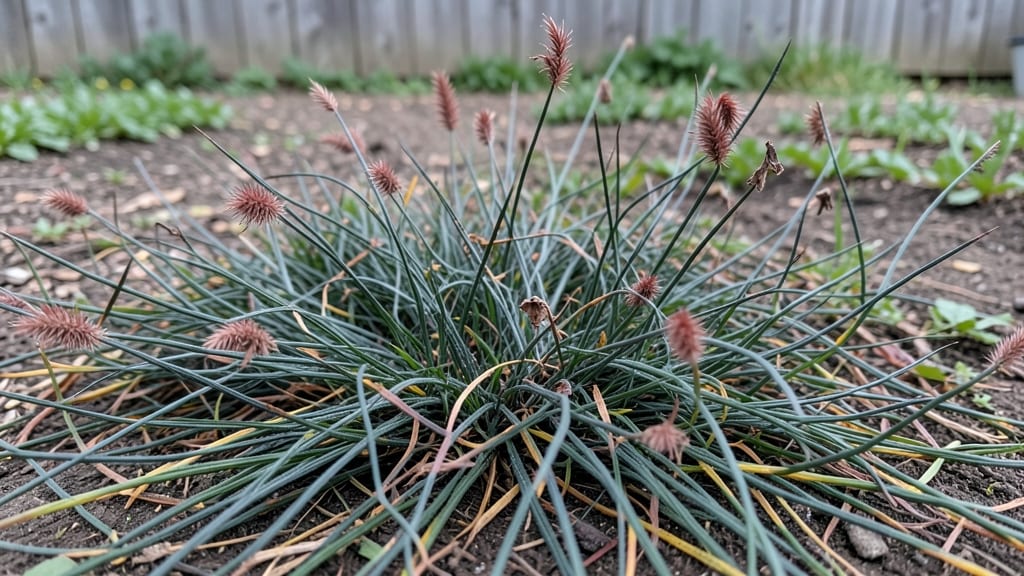
Dealing with a black grass plant taking over your lawn means more than just an unsightly patch—it’s a battle for your grass’s survival.
If your lawn has turned an eerie shade of black in patches, you’re likely facing this stubborn weed that spreads faster than you can pull it. The good news? You don’t need harsh chemicals to win—just the right approach to identify and remove it before it strangles your grass.
Black grass thrives in Zone 6a and beyond, popping up in spring when your lawn is still vulnerable. The key to stopping it lies in recognizing its sneaky growth habits and acting fast, whether you’re digging it out by hand or using targeted treatments.
In this guide, I’ll walk you through how to spot it, the safest removal methods, and long-term fixes to keep your lawn lush and weed-free—without sacrificing your green space.

How to identify black grass plant in your lawn (with visual clues)
Spotting black grass plant in your lawn can be tricky because it often blends with other weeds or damaged grass. This invasive weed thrives in compacted soil and spreads rapidly, smothering your lawn if left unchecked.
The key to early removal is recognizing its distinctive leaf structure and growth patterns before it takes over.
Unlike healthy grass, black grass plant has a dark green to blackish hue and grows in dense clumps. Its leaves are narrower and more rigid than crabgrass, with a rough texture that feels almost wiry.
These visual clues help differentiate it from other common lawn weeds like nutsedge or dandelions.
Here’s how to tell it apart from similar-looking weeds using a visual comparison of key features:
One of the most reliable ways to confirm you’re dealing with black grass plant is to check its root system. Unlike crabgrass, which has shallow, spreading roots, black grass has a fibrous root network that anchors it tightly to the soil.
Pulling it up often reveals a dense mat of roots that can regrow if not fully removed.
Another telltale sign is how it responds to foot traffic. Black grass plant tends to recover quickly after being stepped on, unlike nutsedge, which bruises easily. If you notice dark, wiry clumps that bounce back after mowing or walking, it’s likely black grass.
Pay attention to the time of year when you first spot the issue. Black grass thrives in late spring to early fall, when soil temperatures are warm.
If you see new growth during these months, it’s a strong indicator. In contrast, crabgrass typically appears in early summer and dies back in fall.
For a definitive ID, consider digging up a small section of the plant and examining its seed heads. Black grass often produces small, spiky seed clusters that resemble tiny bottle brushes.
This feature is a dead giveaway when compared to the smooth seed heads of crabgrass or the bulb-like structures of nutsedge.
If you’re still unsure, take a close-up photo of the plant and its roots, then compare it to online resources or consult a local cooperative extension service. Early identification saves time and prevents the weed from spreading to other areas of your lawn.
Once you’ve confirmed it’s black grass plant, act quickly. Manual removal is most effective when the soil is moist but not soggy, typically after a light rain.
Use a weed puller or garden fork to extract the entire root system and dispose of it in the trash—not the compost.
🌱
Step-by-step guide to removing black grass plant safely (manual and chemical methods)
Removing black grass plant from your lawn requires precision to avoid damaging surrounding grass. This weed spreads aggressively, so early intervention is critical. Whether you prefer manual methods or targeted herbicides, timing and technique matter most for success.
Manual removal works best in small patches during spring or fall when the weed is actively growing. For larger infestations, a selective herbicide can provide faster results. Always prioritize safety precautions—wear gloves and avoid applying chemicals on windy days.
- Step 1: 1 Identify the black grass plant by its dark, broad leaves and aggressive spread. Confirm it’s not healthy grass turning black from disease.
- Step 2: For manual removal, use a hand trowel to dig out the roots and all. Pull gently to avoid breaking the root system, which can regrow.
- Step 3: Apply mulch or cardboard over the area to smother regrowth. Leave in place for 4-6 weeks to block sunlight.
- Step 4: For chemical control, choose a selective herbicide labeled for broadleaf weeds. Apply on a dry, calm day to prevent drift.
- Step 5: After treatment, reseeding with grasses like fescue or ryegrass to fill bare spots. Water lightly to encourage germination.
- Step 6: Monitor the area for new growth and repeat treatments if needed. Prevent regrowth by maintaining a healthy lawn with proper mowing and fertilization.
When using herbicides, always follow the label instructions for application rates and safety intervals. Avoid treating during rain or high heat, as this can reduce effectiveness or harm nearby plants.
For organsic options, try a vinegar-based spray (3% acetic acid) mixed with dish soap for a natural alternative.
After removal, focus on lawn health to prevent recurrence. Overseed thin areas and aerate compacted soil to help grass outcompete weeds. Regular mowing at 3-4 inches also discourages black grass from taking hold again.
If the blackened patches persist, they may indicate fungal disease or nutrient deficiency rather than weeds. In this case, test your soil pH and amend with compost or lime as needed. A healthy lawn is your best defense against invasive weeds like black grass plant.