
Lawn
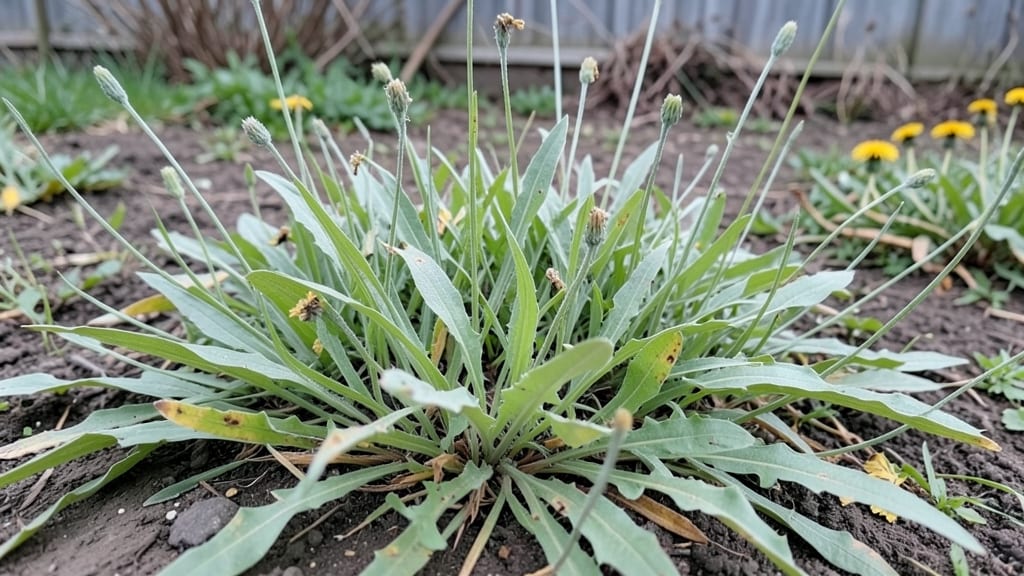
When your grass starts growing broad leaves instead of the familiar blades, you’re staring at a lawn problem that’s harder to fix than you think.
Picture this: You’ve spent hours mowing, watering, and fertilizing, only to see those stubborn broad leaves popping up like weeds 🌿. They don’t just look wrong—they’re stealing nutrients from your grass, leaving patches thin and patchy. The good news? Catching them early makes all the difference.
Most people assume broad leaves mean a fungal infection or overwatering, but the real culprits are often nutrient imbalances or invasive weeds like Broadleaf Plantain.
In Zone 6a, spring is the worst time for these pests to take hold, so knowing what to look for is your first line of defense.
Below, I’ll walk you through how to spot these weeds, why they’re showing up now, and the simple steps to restore your lawn—without resorting to harsh chemicals. Let’s get your grass back to looking sharp.
5 Distinct traits of broadleaf grass weeds you must identify
Identifying broadleaf weeds in your lawn can feel overwhelming, but focusing on just five key traits makes it manageable. These weeds often mimic grass but have distinct structural differences—like leaf shape, growth patterns, and root systems—that reveal their true identity.
Understanding these traits helps you target removal efforts and prevent future infestations.
One of the first clues is the leaf shape. Broadleaf weeds, unlike grass, have wide, flat leaves that often resemble maple or clover leaves. For example, dandelions feature toothed, lobed leaves that grow in a rosette pattern, while clover leaves form three-leaf clusters.
Grass blades, on the other hand, are long, narrow, and hollow.
Another telltale sign is the growth pattern. Broadleaf weeds often grow in clumps or patches, while grass spreads evenly. Weeds like plantain form dense rosettes close to the ground, while creeping charlie sends out runners above the soil.
These patterns make them stand out against the uniform height of your lawn.
The root systems of broadleaf weeds also differ dramatically. Grass has fibrous roots that spread horizontally, but weeds like dandelions develop deep taproots that penetrate deep into the soil. This makes them harder to pull by hand—you’ll often see the root break off if you’re not careful.
Seed heads are another dead giveaway. Many broadleaf weeds produce distinctive flower structures that grass lacks entirely. Dandelions, for instance, develop bright yellow flowers that turn into fluffy white seed heads. Even if the flowers are gone, the leaves’ arrangement or seed pods can tip you off.
Finally, pay attention to color variations. Healthy grass blades are a uniform green, but broadleaf weeds often show variegation or discoloration. For example, henbit has purple-tinged leaves, while chickweed features smooth, oval leaves with a slightly waxy texture.
These visual cues help you spot weeds even before they flower.
| Trait | Broadleaf Weeds | Grass |
|---|---|---|
| Leaf Shape | Wide, flat, lobed, or clustered (e.g., clover, plantain) | Narrow, hollow, blade-like (e.g., Kentucky bluegrass) |
| Growth Pattern | Clumps, rosettes, or runners (e.g., dandelion, creeping charlie) | Even, horizontal spread (rhizomes or stolons) |
| Root System | Deep taproots or fibrous networks (e.g., plantain, thistle) | Shallow, fibrous roots (e.g., Bermuda grass) |
| Seed Heads | Distinct flowers or seed pods (e.g., dandelion puffs, clover blooms) | None (grass reproduces via rhizomes or stolons) |
| Color Variations | Variegated, purple, or waxy leaves (e.g., henbit, chickweed) | Uniform green (unless stressed) |
When inspecting your lawn, start by walking slowly and examining the leaf edges. Use a hand lens if needed to spot fine details like hairy stems or serrated leaf margins. For example, purslane has thick, succulent leaves, while spotted spurge features red-tinged stems and small, rounded leaves.
Timing matters too. Early spring is the best time to identify broadleaf weeds because they’re actively growing while grass is still dormant. Look for new sprouts or unusual leaf shapes in bare patches. If you see a yellow-green rosette, it’s likely a weed like dandelion or plantain.
For stubborn weeds, focus on the base of the plant. Pull gently to check for deep taproots or creeping stems. If you feel resistance, you’re probably dealing with a weed like thistle or creeping buttercup.
Removing these early prevents them from spreading via seeds or underground runners.
Pro tip: Keep a weed identification guide handy or use a lawn analysis app to snap photos and get instant matches. Many apps highlight leaf veins, stem texture, and flower color—key traits that distinguish weeds from grass.
The more you observe, the easier it becomes to spot these invaders before they take over.
Remember, the goal isn’t just to remove weeds but to understand their habits. By mastering these five distinct traits, you’ll transform your lawn care routine from reactive to proactive.
Soon, you’ll spot a dandelion before it blooms or a clover patch before it spreads—giving your grass the competitive edge it needs.
Best removal methods for broadleaf grass weeds by type
Broadleaf weeds like dandelions, clover, and plantain can turn your pristine lawn into an eyesore if left unchecked. Each type requires a tailored approach—whether you prefer manual removal or chemical solutions.
The key is choosing the right method for the weed and timing it correctly to prevent regrowth.
For example, dandelions thrive in compacted soil, while clover spreads aggressively through underground runners. Understanding these differences helps you select the most effective strategy. Let’s break down the best removal methods for common broadleaf weeds, including tools, timing, and organic alternatives.
Manual Removal
Chemical Removal
For dandelions, I recommend pulling them by the root on a dry day when the soil is soft.
Use a weeding tool or a fork to dig deep—dandelions can regrow from even small root fragments. Vinegar-based sprays (3% acetic acid) work well as an organic alternative, but apply them on a sunny day to avoid damaging nearby grass.
Clover, on the other hand, spreads via underground stems called rhizomes. Manual removal is tricky, so I opt for a selective herbicide like 2,4-D in early spring when clover is actively growing. Always follow label instructions to protect your lawn. For organic control, smother clover with cardboard or thick mulch for 4-6 weeks to starve it out.
If you’re dealing with broadleaf plantain, which has thick, leathery leaves, a sharp hoe or digging fork works best to sever its taproot. Reapply corn gluten meal in early spring to prevent seed germination.
For stubborn patches, spot-treat with a glyphosate-based herbicide in late summer when plantain is storing energy in its roots.
Timing is critical—most broadleaf weeds are easiest to remove when they’re young and actively growing. Spring and fall are ideal windows for manual removal, while chemical treatments are most effective in early spring or late summer.
Always test a small area first to ensure your chosen method won’t harm your grass.
Remember, consistency is key. A single treatment often isn’t enough—plan for 2-3 applications spaced 2-4 weeks apart for stubborn weeds. Combine removal methods with soil aeration and proper mowing to create a lawn that’s less inviting to broadleaf invaders.