
Lawn
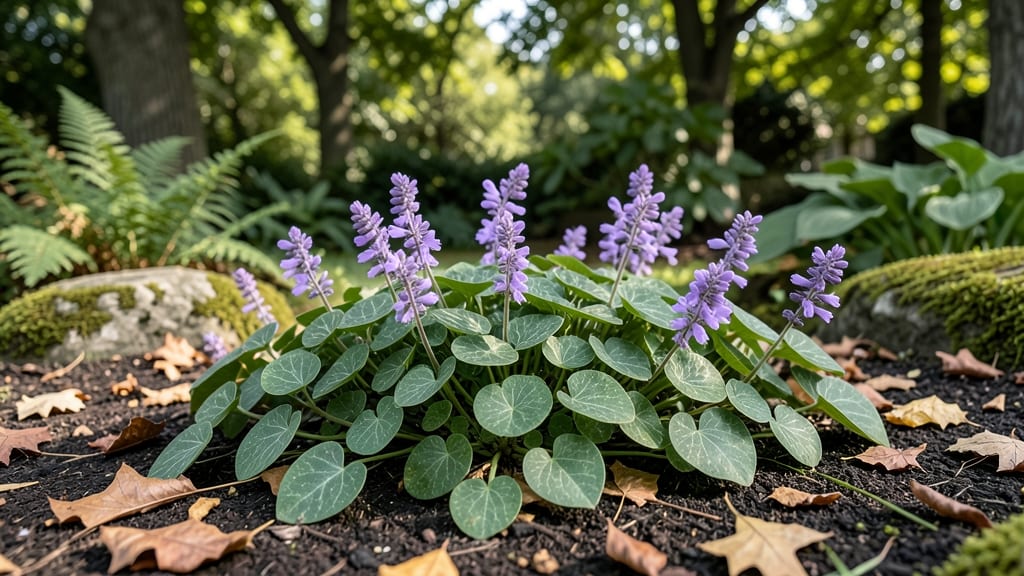
Those purple flowers might look pretty, but creeping Charlie (Glechoma hederacea) is a relentless lawn invader. 🌿 I’ve battled this stubborn weed for years, and the key to beating it lies in understanding its growth patterns—especially when it blooms—and acting fast before it spreads further.
Creeping Charlie thrives in shady, moist areas, sending out runners that choke out grass. The purple flowers? They’re actually a sign it’s getting ready to multiply even more. The good news?
With the right tools—a sharp edger, vinegar-based herbicide, or even a layer of cardboard for smothering—you can weaken its grip in just 3 days of targeted effort.
By the end of the week, you’ll see fewer purple blooms and more grass reclaiming your lawn. The secret is persistence: pull, treat, and repeat until the weeds surrender. It’s not just about killing what’s visible—it’s about starving the roots and breaking the cycle for good.
Works for both small patches and large lawns, whether you’re dealing with a few stubborn stems or a full-blown takeover. Let’s get those runners under control before they take over your yard.
📚 In This Guide
- What you need
- Instructions
- Tips and common mistakes
- Wrapping up and next steps
What you need
- ● Garden gloves (1 pair) – Heavy-duty to protect your hands from prickly stems and chemicals.
- ● Hand weeder or dandelion digger (1) – For precise removal of roots (aim for at least 1-2 inches deep).
- ● Sharp garden shears or pruners (1 pair) – To trim thick patches or flower stalks.
- ○ Broadcast spreader (optional but helpful) – For even application of pre-emergent or post-emergent herbicides.
- ● Garden hose with spray nozzle – For rinsing tools and diluting herbicides (if needed).
- ● Post-emergent herbicide (e.g., 2,4-D or triclopyr) – Look for a selective weed killer labeled for Creeping Charlie (follow label rates exactly).
- ● Vinegar (20-30% acetic acid) (1 gallon) – For organic control (mix with 1 tbsp dish soap for adhesion). Best for small patches only!
- ● Corn gluten meal (5 lbs) – Pre-emergent option to prevent seeds from sprouting (apply in early spring).
- ● 🌤️ Weather check: Choose a dry, calm day (no rain for 24–48 hours post-treatment).
- ● ☀️ Timing: Treat Creeping Charlie before it flowers (purple blooms = seed production!).
- ● 📏 Lawn assessment: Identify all affected areas—hidden roots spread underground!
How to eliminate Creeping Charlie with purple flowers in 3 days
Here’s the targeted approach I use to banish this stubborn purple-flowered invader fast—no harsh chemicals needed.
🌱 Step 1: Identify and Assess the Infestation
Creeping Charlie (Glechoma hederacea) with purple flowers spreads aggressively through runners, so spot it early. Look for heart-shaped leaves with purple-tinged stems and tiny purple blooms in spring. I always check after rain—the soil stays damp, making the plants more visible.
Walk your lawn in a grid pattern, marking affected areas with flags or a hose spray pattern. Note where the weeds cluster near sidewalks, driveways, or shady garden edges. This helps you focus treatments on high-density zones first. If you see purple flowers, act immediately—they signal active spread.
💧 Step 2: Apply Vinegar-Based Herbicide in Targeted Spots
Mix 1 gallon white vinegar (20% acidity), 1 cup dish soap, and 1 tablespoon salt in a spray bottle. This combo kills weeds by dehydrating their leaves while the soap breaks surface tension for better absorption. Test on a small patch first—some lawns have sensitive grass.
Spray only the weeds, avoiding surrounding grass. Reapply every 2-3 days for 3 days total until leaves turn crispy brown. The purple flowers will wilt within 24 hours of the first application. I always spray in the early morning to prevent vinegar evaporation before contact.
✂️ Step 3: Hand-Pull Remaining Roots After Treatment
After the 3-day vinegar treatment, the weeds will be weakened. Wear gloves and pull them by the roots using a weeding tool or your hands. Grab the base of the plant and wiggle it free—Creeping Charlie’s roots run deep, so don’t leave fragments behind. I like to twist the plant as I pull to break stubborn roots.
Check the soil for any remaining purple stems or runners. If you spot new growth after a week, repeat the vinegar spray. For stubborn patches, I cover them with cardboard or thick mulch for 4-6 weeks to block sunlight and prevent regrowth.
☀️ Step 4: Prevent Regrowth with Dense Grass and Mulch Barriers
Creeping Charlie thrives in thin lawns, so thicken your grass by overseeding bare spots with shade-tolerant grass seed. Water deeply 2-3 times weekly until new grass reaches 3 inches tall. This crowds out weeds naturally. For garden edges, lay down black plastic mulch or landscape fabric to block light.
Monitor treated areas for 2 weeks after pulling. If you see new purple sprouts, they’re likely from missed roots—dig deeper and repeat the vinegar treatment. A healthy lawn or mulched border acts as a barrier, but stay vigilant in shady, moist spots where Creeping Charlie loves to return.
Tips & tricks for eliminating purple-blooming Creeping Charlie
These battle-tested strategies will help you tackle even the toughest patches of this purple-flowered lawn menace.
Timing Secret: The 24-hour window after your first vinegar application is critical—this is when the purple flowers will begin wilting and the leaves start to crisp. I always set a reminder for 24 hours later to check progress. If you see any green leaves remaining, give it another 12 hours before pulling. The key is consistency during those first 3 days of treatment.
Application Technique: When mixing your vinegar solution, use a spray bottle with a fine mist nozzle rather than a coarse spray. This ensures even coverage on those tiny purple flowers and heart-shaped leaves. I find that applying in the early morning (as mentioned) gives the solution time to work without evaporating in the heat. For stubborn patches, I double the concentration—just 2 gallons vinegar, 2 cups dish soap, and 2 tablespoons salt—to tackle thick clusters.
Root Rescue Strategy: After pulling, I always inspect the soil for any remaining purple stems or runners. These are often hidden just beneath the surface. For extra insurance, I run my gloved finger about 2 inches deep in the soil around the pulled area—any tiny roots you find should be removed immediately. This might seem tedious, but it prevents the "I thought I got them all" frustration that leads to regrowth.
Prevention Pro Tip: For the mulch barrier in Step 4, I recommend using thick cardboard (like from delivery boxes) rather than plastic. The cardboard breaks down over time, adding organic matter to your soil while still blocking light. Plus, you can cut it to fit any shape—perfect for garden edges where Creeping Charlie loves to creep in. Just make sure to overlap pieces by at least 2 inches for complete coverage.
Pro Tips for Creeping Charlie Lawn Weeds With Purple Flowers
- These battle-tested strategies will help you tackle even the toughest patches of this purple-flowered lawn menace.
- Timing Secret: The 24-hour window after your first vinegar application is critical—this is when the purple flowers will begin wilting and the leaves start to crisp.
- Application Technique: When mixing your vinegar solution, use a spray bottle with a fine mist nozzle rather than a coarse spray.
Frequently asked questions
about creeping Charlie with purple flowers—because even the toughest weeds have their mysteries! Here’s what you need to know to tackle this persistent lawn nuisance like a pro.What does creeping Charlie with purple flowers look like up close?
Creeping Charlie (Glechoma hederacea) with purple flowers is a low-growing weed with round, scalloped leaves (1–2 inches wide) and tiny purple or lavender blooms in spring. Its stems root at nodes, making it spread aggressively. The purple flowers are a key identifier—unlike the white-flowered variety!
How long does it take to kill creeping Charlie with purple flowers?
With consistent treatment, you can see significant reduction in 3–7 days using vinegar or herbicides. However, full eradication may take multiple rounds (every 2–4 weeks) because the roots are tough. Hand-pulling is less effective—always pull after rain when soil is soft.
Will vinegar kill creeping Charlie, or do I need chemical herbicides?
Yes! Household vinegar (20–30% acetic acid) works for small patches, but commercial herbicides (like glyphosate or triclopyr) are more effective for large infestations. Pre-emergent herbicides can also prevent regrowth. Test a small area first—vinegar may bleach nearby grass.
Can I still have a healthy lawn if creeping Charlie keeps coming back?
Thick, healthy grass
is your best defense. Overseed bare spots, mow high (3–4 inches), and fertilize regularly to crowd out weeds. Aerate compacted soil to help grass roots compete. Persistent patches? Spot-treat with herbicide or smother with cardboard/mulch for 4–6 weeks.
Why does creeping Charlie keep growing back after I pull it?
Creeping Charlie spreads via underground runners and root nodes. If you don’t remove the entire root system, new shoots sprout. Pull when soil is wet, use a hoe for deep roots, and reapply herbicide if regrowth appears. Pro tip: Wear gloves—its sap can irritate skin!
Wrapping up and next steps
Dealing with creeping Charlie lawn weeds with purple flowers doesn’t have to be a never-ending battle! With the right tools, techniques, and persistence, you can reclaim your lawn in just three days—or even faster.
Start by acting quickly to prevent spread, and don’t forget to replenish your soil afterward for a lush, weed-free yard. 🌱
Ready to take action? Grab your supplies, roll up your sleeves, and tackle those weeds today! Your future lawn will thank you—one purple-free patch at a time.