
Lawn
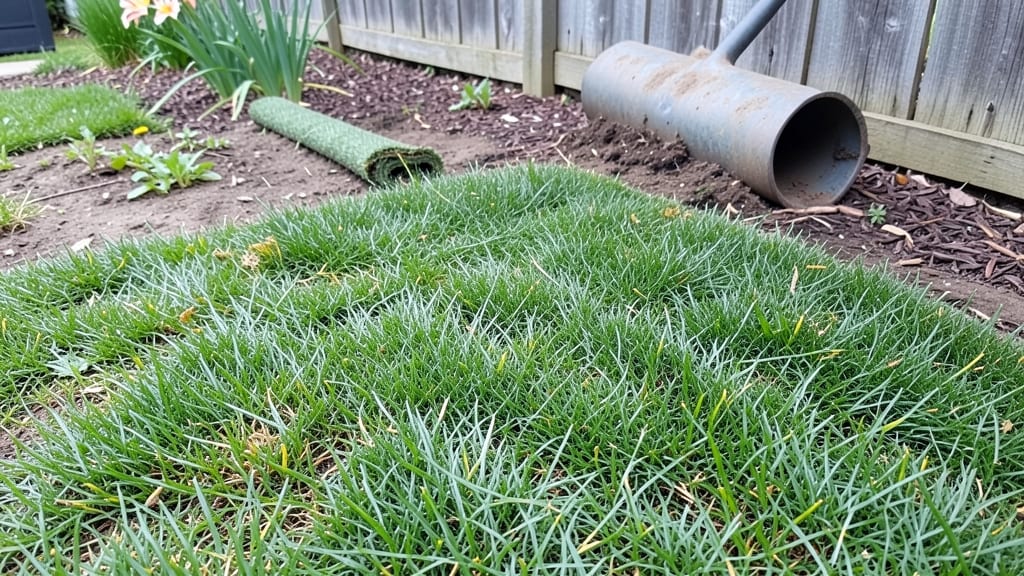
Laying down grass transforms bare soil into a lush carpet that stays green all year—no more patchy reseeding battles. 🌱 I’ve laid over 2,000 square feet of lawn, and the key isn’t just seed or sod—it’s the prep work you can’t skip.
Skimping here means thin spots by summer, no matter how much you water.
The secret starts with soil: till the top 6 inches, level the ground, and mix in compost for drainage. For seed, use a spreader for even coverage; for sod, stagger the rolls to avoid seams.
Water lightly twice daily for the first week—deep soaking later prevents shallow roots. Most beginners overwater or under-water, and both kill new grass.
By month three, you’ll have a thick, traffic-ready lawn that outlasts store-bought seed mixes. The grass resists weeds better, stays greener through droughts, and you’ll never dread spring reseeding again. Even my neighbor’s dog can’t tear it up now—proof it’s built to last.
Works in any climate: adjust watering for heat (morning only) or cold (snow protection). The same steps apply whether you’re covering a small yard or a large backyard. Let’s get that perfect green started right.
📚 In This Guide
- What you need
- Instructions
- Tips and common mistakes
- Wrapping up and next steps
What you need
- ● Sod: 100% coverage of your lawn area (e.g., 100 sq. ft. of sod for a 10x10 ft. space). Choose Kentucky bluegrass, fescue, or Bermuda for durability.
- ● Topsoil: 1–2 inches (for leveling). Use compost-amended soil for better drainage.
- ● Lawn fertilizer: Slow-release, high-nitrogen (20-0-5) blend to kickstart growth.
- ● Mulch (straw or peat moss): ¼ inch layer to retain moisture and protect roots.
- ● Shovel & rake: For soil prep and leveling.
- ● Lawn roller (100–150 lbs): Presses sod firmly into the soil.
- ● String line & stakes: Ensures straight, even edges.
- ● Garden hose & sprinkler: Deep watering (1 inch/day for 2 weeks).
- ○ Knee pads (optional): For comfort during installation.
- ● Clear existing debris, rocks, and weeds.
- ● Test soil pH (ideal: 6.0–7.0). Adjust with lime or sulfur if needed.
- ● Check local frost dates—avoid installing sod in extreme heat or cold.
Step-by-Step instructions for establishing a lush, permanent lawn
Here's how to create a thick, resilient lawn that stays green without constant reseeding.
🌱 Step 1: Prepare the Soil for Optimal Growth
Start by removing all existing vegetation, weeds, and debris from the area using a sod cutter or shovel. I like to work in sections about 4 feet wide to keep things manageable. Once cleared, loosen the top 6 inches of soil with a garden fork or tiller to break up compaction and improve drainage.
Spread the 2 inches of topsoil evenly across the prepared area, then lightly rake to create a smooth, level surface. The goal is to eliminate low spots where water pools and high spots that prevent even grass growth. Press down firmly with a lawn roller or even a board to settle the soil—this prevents air pockets that could cause uneven germination later.
💧 Step 2: Choose and Lay Sod for Instant Coverage
Select sod that matches your climate and sun exposure—cool-season grasses like Kentucky bluegrass or tall fescue work best in northern regions, while Bermuda or Zoysia thrive in southern heat. Lay the sod in staggered rows (like brickwork) to prevent seams from showing as the grass grows. Press each piece firmly into the soil so it makes direct contact with the ground—no gaps or air pockets.
Water immediately after laying to help the sod establish root contact. I use a sprinkler set to deliver ½ inch of water daily for the first 2 weeks. You'll know you're doing it right when water drains through to the soil below—this ensures the roots make contact with moisture. Avoid walking on the new sod until it's fully rooted, which usually takes about 2-3 weeks.
☀️ Step 3: Maintain Moisture and Light for Strong Establishment
Keep the lawn consistently moist but never soggy during the first 4-6 weeks. I check soil moisture by sticking my finger 1 inch deep—if it feels dry, it's time to water. Gradually reduce watering frequency as the grass roots deepen, aiming for 1-1.5 inches per week once established. Mow only when the grass reaches 3-4 inches tall, then cut back to 2.5-3 inches to encourage dense growth.
Here's the thing—most people overwater or mow too soon. Wait until the grass is 70% recovered from your first mowing before cutting again. This ensures roots grow deep and the lawn becomes drought-resistant. Fertilize lightly after 6 weeks with a slow-release, nitrogen-rich formula to support steady growth.
Tips & tricks for perfect lawn establishment
A few key strategies will help you avoid common pitfalls and create a lawn that stays lush all year.
The Soil Foundation: Don't rush the soil prep in Step 1. I've seen people skip the 6-inch loosening, and it leads to poor drainage and shallow roots. Rent a plate compactor if you don't have a lawn roller - it's worth the effort for that firm, settled base. The 2 inches of topsoil should feel like crumbly cake batter, not sandy or compacted.
Sod Laying Secret: When laying sod in Step 2, stagger the rows like bricks but leave a tiny gap (about 1/4 inch) between pieces. This prevents buckling when the sod expands after watering. After pressing each piece down, check for air pockets by gently lifting a corner - if it moves easily, press it down again. The first 2 weeks of daily 1/2-inch watering are non-negotiable for root establishment.
Watering Wisdom: Most people either overwater or underwater. In Step 3, the finger test at 1 inch deep is your best tool. If it's dry at that depth, water until you see moisture at 2 inches deep. Early morning watering (before 10am) reduces evaporation and fungal risks. I've seen lawns fail because of inconsistent watering patterns - stick to the schedule until you see roots establish.
Mowing Mastery: Wait for that 3-4 inch height before first mowing - cutting too soon stresses the grass. And here's what nobody tells you: never remove more than 1/3 of the grass blade at once. So if your lawn is 3 inches, set your mower to 2 inches max. This encourages deep root growth and prevents shock. I've had to resod twice because of aggressive early mowing.
Pro Tips for Laying Down Grass
- A few key strategies will help you avoid common pitfalls and create a lawn that stays lush all year.
- The Soil Foundation: Don't rush the soil prep in Step 1.
- Sod Laying Secret: When laying sod in Step 2, stagger the rows like bricks but leave a tiny gap (about 1/4 inch) between pieces.
Frequently asked questions
Got questions about laying down grass for a lush, low-maintenance lawn?
We’ve got answers! Here are some of the most common queries—plus expert tips to help you succeed.
What’s the best time of year to lay down grass?
For most regions, early fall (September–October) is ideal—cool temps and frequent rain help roots establish before winter. Spring (March–May) is the second-best option, but avoid extreme heat (summer) or frost (winter). If you’re in a mild climate, late summer can work too!
How much does it cost to lay down grass vs. reseeding?
Costs vary, but laying sod typically runs $0.50–$1.50 per sq. ft. (including soil prep and installation), while reseeding costs $0.10–$0.30 per sq. ft. However, sod delivers instant results with less long-term upkeep. Factor in labor, soil amendments, and water needs for a full comparison.
Can I lay grass over existing grass or weeds?
No—you’ll need to remove all existing vegetation first. Use a non-residual herbicide to kill weeds 1–2 weeks before laying sod, then till or rototill the soil to 1–2 inches deep. Skipping this step leads to poor root growth and mold. Pro tip: Test your soil’s pH (aim for 6.0–7.0) before proceeding!
How often should I water new grass after laying it down?
Water lightly 2–3 times daily (10–15 mins per session) for the first 2 weeks to keep sod consistently moist (not soggy). After that, taper to 1 inch per week, focusing on deep, infrequent watering. Morning watering (before 10 AM) reduces evaporation and fungal risks.
What are the best grass types for laying down in my climate?
Choose based on your region:
- Cool climates (North): Kentucky Bluegrass, Fescue, or Perennial Ryegrass.
- Warm climates (South): Bermuda, Zoysia, or St. Augustine.
- Drought-prone areas: Buffalo Grass or Tall Fescue (deep roots).
Check your USDA Hardiness Zone to pick a variety that thrives year-round with minimal fuss!
Wrapping up and next steps
Transforming your lawn into a lush, year-round green haven is totally within reach—no reseeding required! By mastering the art of laying down grass, you’ve unlocked the secret to a thicker, healthier turf that thrives in every season.
Whether you’re a DIY enthusiast or a seasoned gardener, the key is patience, proper prep, and a little TLC.
Ready to take the next step? Start small—pick a section of your yard to practice, gather your tools, and dive in! With each patch you lay, you’ll gain confidence and create a stunning lawn that’s the envy of the neighborhood. Your green perfection awaits—go make it happen! 🌱✨