
Companion Plants
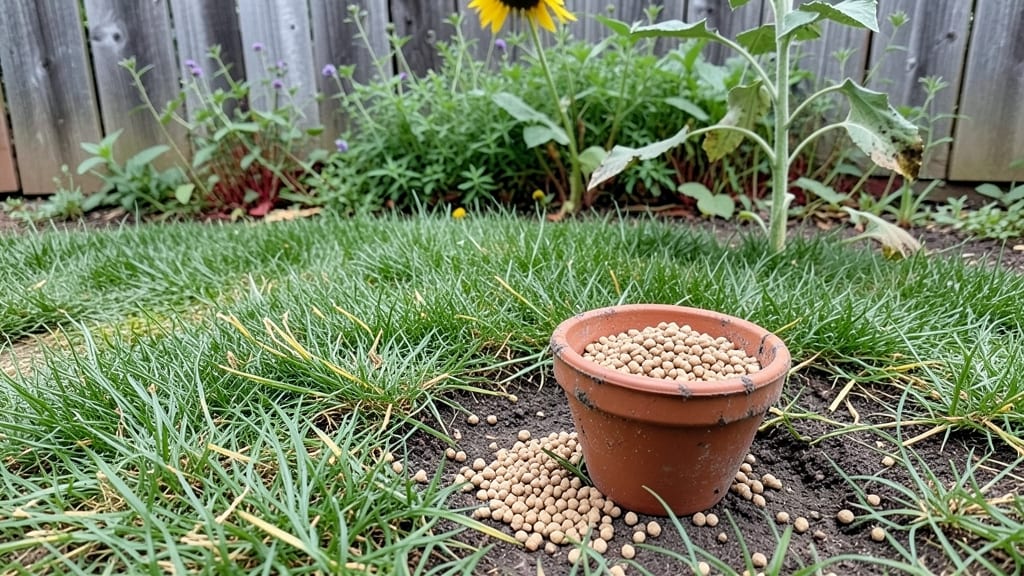
You can use Miracle-Gro plant food on grass, but it’s not ideal—its concentrated nitrogen and synthetic blend may scorch lawns or trigger rapid leaf growth that weakens roots over time. Lawn-specific fertilizers deliver safer, more balanced nutrition.
Miracle-Gro’s formula is optimized for flowering plants and vegetables, not turfgrass, which needs a gentler nitrogen-to-phosphorus ratio. 🌱 The risk of chemical burn is real, especially in hot weather, and overfeeding can lead to thatch buildup.
For a lush lawn, I recommend slow-release lawn fertilizers like Scotts Turf Builder or organic options like composted cow manure, which nourish roots without harm.
Seasonal timing matters too—spring and fall are prime feeding windows for grass, while summer heat stresses plants. If you must use Miracle-Gro, dilute it to half-strength and water thoroughly afterward to minimize damage. But for long-term health, a dedicated lawn fertilizer will save you time, money, and potential headaches.
💡 In This Article
- Miracle-Gro’s Chemical Composition and Lawn Safety
- Best Fertilizers for Grass: Lawn-Specific Alternatives
Miracle-gro’s chemical composition and lawn safety
Miracle-Gro’s classic indoor plant food typically contains a 30-10-10 NPK ratio (nitrogen-phosphorus-potassium), meaning it’s packed with 30% nitrogen—far more than grass needs. This high nitrogen concentration is perfect for leafy greens and flowering plants but creates an imbalance for turfgrass, which thrives on a 25-5-5 to 30-5-10 ratio.
The excess nitrogen triggers rapid leaf growth while starving roots of phosphorus and potassium, which are critical for root development and drought resistance.
The synthetic additives in Miracle-Gro, like urea nitrogen and water-soluble salts, can accumulate in soil and raise its salinity. When applied at recommended rates, this can cause fertilizer burn, visible as brown, crispy patches on grass blades.
The chemical composition also lacks the micronutrients (like iron, zinc, and manganese) that lawns need for vibrant color and disease resistance. For comparison, organic lawn fertilizers often include these micronutrients naturally through compost or manure.
Here’s what happens when you apply Miracle-Gro to grass: the high nitrogen prompts the plant to prioritize above-ground growth, leaving roots shallow and vulnerable. This creates a weak structural foundation that can’t support heavy foot traffic or recover from drought.
The synthetic salts also disrupt soil microbes, which are essential for breaking down organic matter and improving soil aeration. Over time, this leads to thatch buildup—a dense layer of dead grass and roots that suffocates the lawn.
In contrast, lawn-specific fertilizers are formulated to release nutrients gradually, mimicking natural decomposition. For example, slow-release Scotts Turf Builder uses polymer-coated granules that dissolve over 8-12 weeks, providing steady nutrition without risking burn.
Organic options like composted cow manure or fish emulsion add nitrogen slowly while improving soil texture and microbial activity—key for long-term lawn health.
If you’re set on using Miracle-Gro, dilute it to half-strength and apply it in early spring or fall when grass is actively growing but not heat-stressed. Always water the lawn thoroughly afterward to help flush out excess salts.
However, for a thick, resilient lawn, a dedicated turf fertilizer will deliver better results with fewer risks. 🌱
Most homeowners don’t realize that grass has different nutritional needs than houseplants. Miracle-Gro’s formula is designed for short-term, rapid growth—ideal for potted plants but harmful to lawns when used long-term. The synthetic salts can also linger in soil, affecting future plantings.
For a healthier lawn, consider a two-step approach: use a lawn-specific fertilizer in spring/fall and top-dress with compost in late summer to rebuild soil structure.