
Lawn
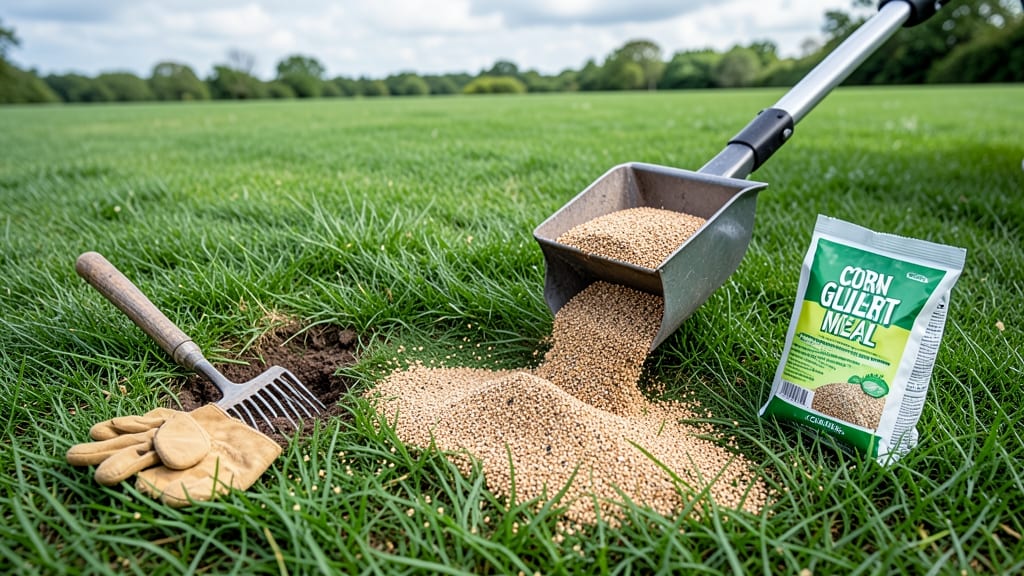
Using corn gluten meal on lawns provides natural pre-emergent weed control by preventing weed seeds from sprouting, offering chemical-free lawn maintenance. Apply it in early spring before weeds germinate for best results.
Corn gluten meal works by releasing hydrolyzed proteins that disrupt the growth hormones in weed seeds, effectively starving them before they can break through the soil. 🔥 This organic approach is especially effective against annual weeds, which rely on seed germination to spread.
Unlike synthetic pre-emergents, it won't harm established grass or beneficial insects, making it a safer choice for eco-conscious gardeners.
For optimal results, spread 20 pounds per 1,000 square feet using a broadcast spreader in early spring when soil temperatures reach 55°F. Water lightly afterward to activate the proteins.
While it won't kill existing weeds, it creates a weed-free foundation for new grass growth when paired with proper lawn care practices.
💡 In This Article
- How Corn Gluten Meal Stops Weed Seeds from Growing
- Best Application Tips for Corn Gluten Meal on Grass
How corn gluten meal stops weed seeds from growing
Corn gluten meal works through a fascinating biochemical process that targets weed seeds at their most vulnerable stage. When applied to moist soil, the hydrolyzed proteins in the meal break down into amino acids that disrupt the natural hormone balance in weed seeds.
Specifically, these proteins interfere with the production of gibberellins, a critical growth hormone that triggers seed germination. Without gibberellins, seeds remain dormant or develop weak, stunted seedlings that die before reaching maturity. This mechanism is particularly effective against annual weeds, which rely entirely on seed germination to propagate.
The effectiveness of corn gluten meal depends heavily on timing and soil conditions. For optimal results, apply it when soil temperatures reach 55-60°F, which typically occurs in early spring as the ground begins to thaw.
At this stage, weed seeds are just starting to activate but haven't yet germinated. The hydrolyzed proteins need moisture to activate, so a light watering (¼ inch) immediately after application helps them bind to the soil particles and create an inhospitable environment for emerging weeds.
Unlike synthetic pre-emergents that create chemical barriers, corn gluten meal works by altering the biological processes of the seeds themselves.
What makes this method stand out is its selectivity—it targets only weed seeds while leaving established grass and beneficial soil microbes unharmed. The proteins in corn gluten meal are too large to penetrate the waxy cuticles of grass blades, so your lawn remains unaffected.
However, this selectivity means corn gluten meal won't control existing weeds or perennial plants that spread through roots or runners.
It's a preventative measure rather than a curative one, making it most effective when used as part of a comprehensive lawn care strategy that includes regular mowing, proper watering, and overseeding.
One common misconception is that corn gluten meal provides long-term weed suppression. In reality, its effects last only about 2-3 months per application, as the hydrolyzed proteins gradually break down in the soil.
This is why gardeners often apply it twice a year—once in early spring and again in early fall—to maintain continuous weed prevention. The fall application is particularly valuable because it targets weed seeds that germinate in cooler temperatures, such as chickweed and henbit, which are common in many regions.
For visual learners, imagine corn gluten meal as a biological "smoke screen" for weed seeds. Just as smoke can disorient insects, the disrupted hormone signals confuse the seeds' internal cues, preventing them from "knowing" when to sprout.
This natural process aligns perfectly with organic gardening principles, offering a chemical-free alternative to synthetic pre-emergents that can harm soil health and beneficial organisms. The result is a cleaner, greener lawn that thrives without the ecological trade-offs of conventional weed killers.
To maximize its potential, pair corn gluten meal with other organic lawn care practices. For example, overseeding your lawn in late summer or early fall creates a dense turf that naturally outcompetes weeds for space and nutrients.
Combined with regular aeration and proper fertilization, corn gluten meal becomes an even more powerful tool in your weed management arsenal. The key is consistency—think of it as a seasonal "reset button" for your lawn's weed population.