
Watering
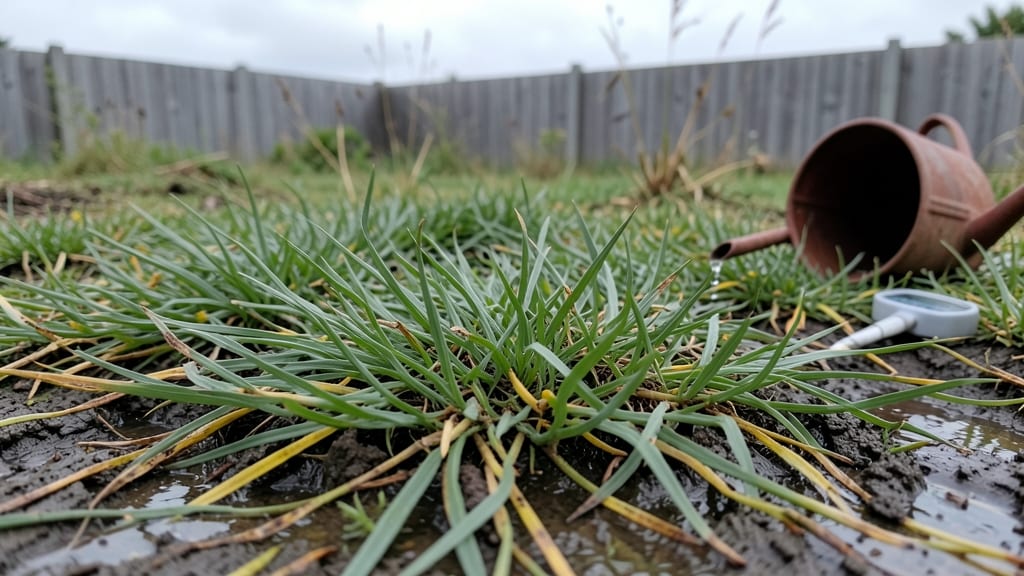
Your lawn’s a soggy mess from that overwatered Bermuda grass, and those yellow patches, spongy soil, or that musty smell mean it’s time for a quick turnaround—here’s how to revive it. 🌱 I’ve nursed back lawns like this after weeks of overzealous watering, and the fix starts with cutting back immediately.
The key isn’t just less water—it’s understanding why your grass is rejecting it in the first place.
Bermuda grass thrives on deep, infrequent watering, not daily sips. When roots stay waterlogged, they suffocate, and that’s when mold, fungus, and those dreaded yellow circles take over.
The good news? You can reverse this in 2-3 weeks with the right adjustments—better drainage, smarter watering, and a little elbow grease to aerate compacted soil.
By the end of this process, your lawn will bounce back with a deep green, springy feel—no more spongy give when you walk on it.
The secret is patience: let the soil dry between waterings, and watch as those roots stretch down where they belong, not rot at the surface.
Works for home lawns, sports fields, or even small patches—just scale the effort to your space. Let’s get that grass breathing again.
Common Culprits Behind Soggy Grass
Overwatering isn’t just a matter of turning the hose on too long—it’s a mix of human habits, environmental factors, and even soil behavior. Understanding the why behind soggy Bermuda grass is the first step to fixing it.
Let’s break down the most common causes with science-backed explanations so you can adjust your approach.
🌧️ Poor watering schedules & timing
Bermuda grass thrives on consistent moisture but hates waterlogging. The root of the problem often lies in how, when, and how much you water. Here’s what goes wrong:
- Infrequent Deep Watering: Bermuda grass has deep roots (up to 6 inches in ideal conditions) and needs infrequent, deep watering to encourage root growth. Light, daily watering keeps the top layer wet while the lower roots suffocate—leading to shallow roots and poor drainage.
- Watering at the Wrong Times: Early morning (4–8 AM) is ideal because it allows water to soak in before evaporation. Watering in the evening or during rain can leave grass sitting in moisture for hours, promoting fungal diseases like brown patch or dollar spot.
- Overestimating Rainfall: Many homeowners assume rain replaces their watering routine—but a 1-inch rainfall isn’t enough for established Bermuda grass. A general rule: 1 inch of water per week (including rain). Use a rain gauge to track accurately.
Pro Tip: 💡 Split your watering into two sessions—morning and late afternoon—to reduce runoff while keeping roots hydrated without drowning them.
🏗️ Soil & drainage issues
Not all soil is created equal, and Bermuda grass struggles in compacted or clay-heavy soils. Here’s how poor drainage contributes to overwatering problems:
| Soil Type | Problem | Solution |
|---|---|---|
| Clay Soil | Holds water like a sponge, preventing it from draining. Roots suffocate from lack of oxygen. | Amend with organic matter (compost, sand) or install a French drain. |
| Compacted Soil | Heavy foot traffic or machinery crushes soil, reducing pore space for water and air. | Aerate with a core aerator (spring/fall) to create channels for water flow. |
| No Slope/Gradient | Flat lawns pool water, especially after rain or overwatering. | Rethink irrigation patterns or install swales (shallow trenches) to redirect water. |
Pro Tip: 🌡️ Test your soil’s drainage with a simple percolation test: Dig a 12-inch hole, fill it with water, and time how long it takes to drain. If it’s slower than 4 hours, your soil needs help.
⚡ Irrigation system mismanagement
Automatic sprinklers are convenient—but they’re also a common overwatering culprit. Here’s how they backfire:
- Overlapping Sprinkler Heads: If heads spray into each other’s zones, you’re essentially watering the same spot twice (or more). Check for wet spots after watering—these are red flags.
- Incorrect Run Times: Most sprinkler controllers are preset for average lawns. Bermuda grass needs less frequent, deeper watering than cool-season grasses like fescue. Adjust run times to match your soil and weather.
- No Rain Sensor: Without one, your system waters even during downpours, doubling the moisture. Install a smart rain shutoff device to save water and prevent runoff.
- Clogged Nozzles: Debris or mineral buildup can reduce spray pressure, causing water to puddle instead of spreading evenly. Clean nozzles annually (or more often in sandy areas).
Pro Tip: ⏰ Run a DIY sprinkler check: Place tuna cans or rain gauges across your lawn to measure output. Aim for 0.6–1 inch per zone in 20–30 minutes.
🌿 Grass type & growth stage
Bermuda grass is drought-tolerant once established, but its needs change with growth stage and variety. Here’s how mismatches lead to overwatering:
- Newly Sodded Grass: Fresh Bermuda sod needs daily light watering (5–10 minutes) for the first 2 weeks to encourage rooting. After that, taper off to avoid waterlogging.
- Seedling Phase: Bermuda seed requires consistent moisture to germinate (keep soil damp, not soggy). Once sprouted, reduce frequency to prevent fungal issues.
- Dormant Season (Winter): In cooler climates, Bermuda grass goes dormant. Stop watering entirely unless soil is bone-dry (check by digging 2 inches down). Overwatering in dormancy wastes resources and invites disease.
- Hybrid vs. Common Bermuda: Hybrid varieties (like Tifway) are more drought-resistant than common Bermuda. Adjust watering 10–15% less for hybrids to prevent stress.
Pro Tip: 🎯 Match watering to the season—reduce by 30–50% in fall/winter and increase slightly during extreme heat (but never exceed 1 inch/week).
Now that you know the why, the next step is fixing it. Stay tuned for actionable solutions to revive your lawn without drowning it!
Fixing Soggy Grass Step by Step
If your Bermuda grass is looking more like a swamp than a lawn, don’t panic—there’s a clear path to recovery. Overwatering can turn your turf into a mushy mess, but with the right approach, you can revive it and prevent future disasters.
Below, we’ll break down the fixes based on the root cause, along with practical tips to keep your lawn healthy and happy.
🔥 Stop the Water Overload Immediately
Before you do anything else, halt excessive watering. Bermuda grass thrives on consistent moisture, not saturation. If your lawn feels squishy when you walk on it or water pools on the surface, you’re overdoing it.
How to Adjust Watering:
- 💧 Check soil moisture before watering. Stick your finger 2–3 inches into the soil—if it’s damp, wait. Bermuda grass only needs about 1–1.5 inches of water per week (including rain).
- ⏰ Water deeply but less often. Instead of light, daily sprinkles, water early in the morning (4–8 AM) for 20–30 minutes, 2–3 times per week. This encourages deep root growth.
- 🌧️ Use a rain gauge or a simple tuna can to measure rainfall and adjust accordingly. Avoid guesswork!
🍳 Drainage Fixes for Waterlogged Soil
If water isn’t draining properly, your lawn will stay soggy no matter how much you adjust watering. Poor drainage is a common culprit, especially in clay-heavy or low-lying areas.
Quick Drainage Solutions:
- 🔪 Aerate compacted soil. Rent a core aerator (or hire a pro) to pull small plugs of soil, creating channels for water to escape. Do this in spring or early fall when Bermuda grass is actively growing.
- 🌱 Improve soil structure. Mix in compost or sand (if your soil is clay-heavy) to help water drain faster. Avoid heavy amendments like peat moss, which can worsen retention.
- 🏗️ Grade your lawn. If water pools in low spots, gently slope the soil away from your house or sidewalk (about 1 inch over 10 feet). Use a rake or shovel for minor fixes.
👨🍳 Revive Stressed Grass with Proper Care
Once you’ve stopped drowning your lawn, it’s time to nurse it back to health. Overwatered Bermuda grass often suffers from fungal issues, weak roots, or nutrient deficiencies—here’s how to fix it.
Recovery Steps:
- 🌿 Mow high to shade roots. Set your mower to 1–2 inches to protect stressed grass and block excess sunlight, which can dry out the soil too quickly.
- 💪 Fertilize lightly. Use a slow-release, balanced fertilizer (16-4-8 or similar) to rebuild strength. Avoid high-nitrogen fertilizers, which can burn weak roots.
- 🍄 Treat fungal issues. If you see patches of brown, fuzzy growth (like brown patch disease), apply a fungicide labeled for Bermuda grass (e.g., propiconazole or chlorothalonil). Follow label instructions carefully!
⏰ Long-Term Prevention Tips
Once your lawn is back on track, keep these habits to avoid future soggy disasters:
💡 Pro Tips for Healthy Bermuda Grass:
- 🌡️ Monitor weather forecasts. Adjust watering if rain is in the forecast—Bermuda grass is drought-tolerant once established!
- 🎯 Test your soil. A simple pH test (6.0–7.0 is ideal) or soil analysis can reveal if nutrients or drainage are the real issues.
- 🌱 Overseed thin spots. If some areas died, sprinkle Bermuda grass seed (or a winter rye mix for temporary cover) in late spring or early fall.
- 🚫 Avoid heavy foot traffic. Wet grass is more prone to damage—keep kids and pets off until it’s fully recovered.
With these steps, your Bermuda grass should bounce back in 2–4 weeks, looking lush and resilient. The key is consistency: adjust watering, improve drainage, and give your lawn the care it needs to thrive—not drown.
Frequently asked questions
How do I know if my Bermuda grass is truly overwatered?
Look for these clear signs: yellow patches, spongy soil that leaves footprints, or a musty smell. If water pools on the surface after rain or irrigation, that’s another red flag. Bermuda grass should spring back when stepped on—if it stays flattened, it’s waterlogged.
Can I fix overwatered Bermuda grass without aerating?
Yes, but aeration speeds up recovery. Start by halting watering and letting the soil dry between sessions. Use a pitchfork to manually create drainage holes if aerating isn’t an option. For severe cases, mix in compost or sand to improve soil structure over time.
Will my Bermuda grass recover if I’ve had soggy soil for weeks?
but it may take 4–6 weeks to fully bounce back. Focus on drainage first—fix compacted soil with aeration or grading. Reduce watering to 1 inch per week and fertilize lightly with a balanced formula to rebuild roots.
Can I use a fungicide if my overwatered grass has brown patches?
Only if the patches are fuzzy or have a dark ring—signs of brown patch disease. Use a fungicide labeled for Bermuda grass (like propiconazole) after improving drainage. Avoid fungicides if the issue is just waterlogged soil without fungal growth.
How often should I water Bermuda grass after fixing overwatering?
Once recovered, aim for 2–3 deep waterings per week (early morning, 20–30 minutes each). Bermuda grass hates shallow, frequent watering—deep soakings encourage strong root growth. Always check soil moisture before watering.