
Lawn
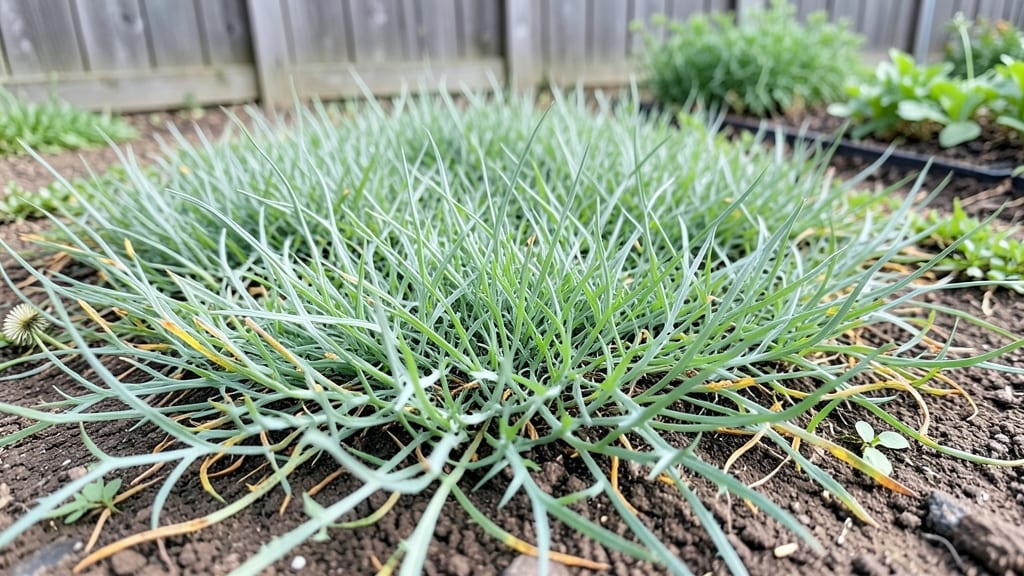
Weed grass is not the same as lawn grass: it typically grows taller, has broader blades, and spreads aggressively, often appearing in patches with seed heads or pale undersides. Identifying it early prevents lawn takeover.
Weed grass thrives because it's often a fast-growing opportunist that fills gaps in your lawn, especially after disturbances like aeration or foot traffic. 🌱 Unlike carefully cultivated turfgrass, these invaders develop deep roots and seed prolifically, making them harder to control once established.
I’ve seen crabgrass and nutsedge take over entire lawn sections in just a few weeks if left unchecked—spotting those seed heads early is your best defense.
What sets weed grass apart isn’t just its appearance but its growth habits. Most lawn grasses grow in dense mats, while weed grasses grow vertically and spread through rhizomes or seeds.
This means they compete directly with your grass for water and nutrients, weakening your lawn’s overall health over time. The key to stopping them? Acting before they develop mature seed heads—when they’re still in their early growth stages.
💡 In This Article
- Key Differences Between Weed Grass and Lawn Grass
- 3-Step Guide to Removing Weed Grass from Lawns
Key differences between weed grass and lawn grass
Weed grasses like crabgrass and nutsedge have broader leaf blades—typically ¼ to ½ inch wide—compared to lawn grasses such as Kentucky bluegrass, which average just ⅛ to ¼ inch.
The leaf texture also differs: weed grass blades often feel coarser and more rigid, while lawn grass tends to be softer and more flexible. Look closely at the leaf edges—weed grasses frequently have rough, serrated edges, whereas many lawn grasses have smooth, even edges. 🌱
The root systems reveal even more about their competitive advantage. Weed grasses develop deep taproots (up to 12 inches) or extensive rhizomes, allowing them to access water and nutrients that lawn grasses can't reach.
For example, crabgrass sends down roots that can penetrate 2-3 times deeper than Kentucky bluegrass, giving it a survival edge in dry conditions. This aggressive root structure also makes them harder to uproot once established—simply cutting them at the surface often leaves the roots intact to regrow.
Seasonal growth patterns create another critical distinction. Most weed grasses follow a summer-dominant growth cycle, sprouting rapidly when soil temperatures exceed 55°F and producing seed heads by late summer. In contrast, cool-season lawn grasses like fescue grow best in spring and fall, slowing down in summer heat.
This timing mismatch means weed grasses often outcompete lawn grass during peak summer months, when your turf is stressed and recovery is slower. 💫
Botanical classification matters too—weed grasses belong to different families than lawn grasses. Crabgrass (Digitaria spp.) is a warm-season annual, while Kentucky bluegrass (Poa pratensis) is a cool-season perennial.
This means weed grasses complete their entire life cycle in one season, producing thousands of seeds that germinate the next year, whereas lawn grasses spread more slowly through stolons or rhizomes. The result?
A single weed grass plant can create 150+ seeds per season, while a lawn grass plant produces far fewer.
Color differences often tip off their presence. Weed grasses frequently display pale or purplish undersides on their leaves, while lawn grasses typically have uniform green coloring.
The seed heads also serve as dead giveaways—weed grasses develop clumpy, finger-like seed clusters (like crabgrass's 3-5 fingered spikes), whereas lawn grasses produce fluffy, feathery seed heads. These visual cues help you spot infestations before they spread uncontrollably. ✨
Finally, consider how they respond to environmental stress. Weed grasses thrive in disturbed soil—areas where grass has been damaged by foot traffic, construction, or drought.
They're the first to colonize bare spots because their seeds germinate quickly in 3-7 days after soil exposure, compared to lawn grasses which may take 2-4 weeks to establish. This rapid colonization is why they often appear in patches after lawn treatments or seasonal dieback. 🌿