
Lawn
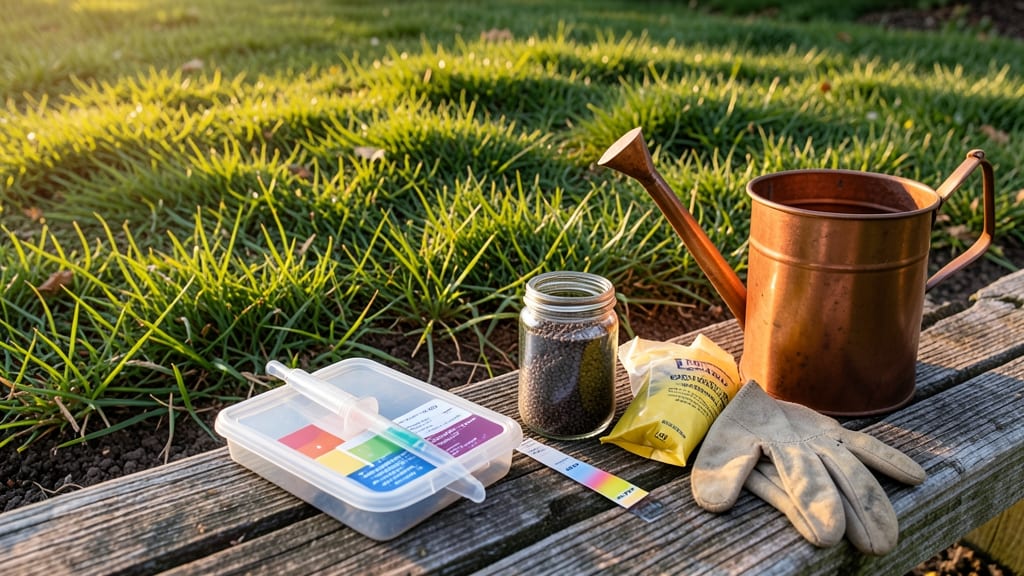
Your lawn’s yellowing grass might not be a drought problem—it could be too much iron in the soil. 🌱 I’ve seen this happen after overzealous fertilization or iron supplements, turning lush green into a sad, patchy yellow. The good news? You can reverse it naturally without harsh chemicals.
Iron overload usually shows up as bright yellow patches that spread over weeks, even when you’re watering enough. The culprit? Too much iron sulfate, chelated iron, or acidic soil that’s already iron-rich. A simple soil test (DIY kits work) confirms the issue before you spend money on the wrong fix.
The fix starts with raising your soil pH—just a little—using lime or wood ash. This binds excess iron so grass can absorb nutrients properly.
Add compost to improve soil structure, and avoid iron supplements until you’ve balanced the pH. Within 4-6 weeks, you’ll see green returning where yellow once ruled. This works for cool-season grasses (like Kentucky bluegrass) and warm-season types (like Bermuda). Skip the quick-fix fertilizers—they’ll just make the problem worse.
Let’s get your lawn back to vibrant in no time.
How Soil Chemistry Triggers Excess Iron
Excess iron in your lawn isn’t just a random mishap—it’s often the result of specific soil conditions and gardening practices. Understanding these root causes helps you address the problem effectively.
Let’s break down the science behind why iron builds up in your lawn soil, turning vibrant green grass into a patchy, yellowing mess.
Iron is a key nutrient for plants, but too much of a good thing can backfire. Many fertilizers, soil amendments, and even rainwater contain trace amounts of iron.
When you apply iron supplements—like iron sulfate or chelated iron—to boost grass health, you might inadvertently overload the soil. This is especially true if:
- You’re treating iron deficiency (chlorosis) without testing soil pH first. Iron becomes less available in alkaline soils (pH 7.0+), so desperate gardeners often overapply iron, thinking it’s being absorbed.
- You use slow-release or “all-purpose” lawn fertilizers that contain iron as a secondary nutrient. These can accumulate over time, especially if your soil already has high iron reserves.
- You’re watering with iron-rich water (e.g., well water or runoff from iron pipes). Over time, this leaches iron into the soil, raising levels beyond what grass needs.
Pro Tip: 💡 Always conduct a soil test before applying iron. If your pH is above 6.5, focus on acidifying the soil (with sulfur or peat moss) instead of dumping more iron on the problem.
Iron behaves differently in wet vs. dry soil. When your lawn sits in poorly draining soil or gets excessive irrigation, iron oxides (like rust) dissolve and become more mobile.
Instead of staying bound to soil particles, they seep into the root zone, where grass can’t regulate uptake efficiently. This leads to:
- Toxic buildup in the root zone, causing iron poisoning symptoms (yellowing between veins, stunted growth).
- Disruption of nutrient balance—iron competes with other essential minerals like manganese and zinc, further stressing the grass.
- Anaerobic conditions (low oxygen in waterlogged soil), which alter microbial activity and release bound iron into the soil solution.
Actionable Fix: ✨ Test your soil’s permeability—if water pools after 6+ hours, amend with sand or compost to improve drainage. Avoid overwatering; grass needs 1–1.5 inches per week, not daily soakings.
Not all soil is created equal—and some soils are naturally high in iron due to their geological origins. If your lawn sits on:
- Shale, clay, or loam-rich soil: These often contain high levels of iron oxides (like hematite or magnetite), which break down over time, enriching the soil.
- Acidic soil (pH < 6.0): Iron is far more soluble in acidic conditions, meaning it’s easily absorbed by plants—but also prone to excess if not balanced.
- Older, undisturbed land: Natural weathering of bedrock releases iron over centuries, gradually building up in the topsoil.
Soil Test Reality Check: 🌡️ If your soil test reveals >200 ppm extractable iron (common in clay-heavy soils), you may need to dilute it with organic matter (like compost or pine bark) to improve grass tolerance.
Sometimes, the iron overload comes from outside your lawn. Common culprits include:
- Industrial runoff or pollution: Factories, mining sites, or even car exhaust can deposit iron particles in soil over time.
- Old paint or rusty debris: If your lawn had a shed, fence, or playground equipment with iron-based paint or metal, weathering releases iron into the soil.
- Animal waste or compost: Manure (especially from cows or horses) and certain composts contain high iron levels. While they add nutrients, they can also over-saturate the soil if used excessively.
Cleanup Tip: 🎯 If you suspect contamination, remove surface debris and test soil at multiple depths (0–6 inches and 6–12 inches) to pinpoint the source.
Fixing Iron Overload in Grass
Iron overload in your lawn—whether from supplements, soil amendments, or water runoff—can turn lush green grass into a patchy, yellow mess. The good news? You can reverse the damage with targeted fixes. Below, we’ll break down the causes and solutions so you can restore your lawn’s vibrancy naturally and efficiently.
---
If iron buildup is linked to excess water or compacted soil, your lawn needs better airflow and drainage. Here’s how:
#### 💦 Step 1: Deep Watering & Drainage Check - Test your soil: Dig a 6-inch hole. If water pools or drains slower than 4 hours, your lawn has drainage issues. - Adjust watering: Water deeply 2-3 times per week (early morning) instead of daily light sprinkles.
Let the top 2-3 inches dry between sessions. - Prevent runoff: Redirect sprinklers or install a French drain if water pools in low spots.
#### 🌱 Step 2: Aerate to Break Up Compacted Soil - Rent a core aerator (or hire a pro) to pull small soil plugs, improving oxygen and water flow. - Best time: Early fall or spring when grass is actively growing. - Follow up: Top with compost (¼ inch) to help balance soil pH naturally.
#### 💡 Pro Tip: If your lawn feels spongy when walked on, compacted soil is trapping iron. Aerating annually prevents future buildup.
---
Did you overdo it with iron-rich fertilizers or supplements? The fix involves chelating excess iron and restoring soil balance.
#### 🧪 Step 1: Test Soil pH - Use a home test kit or send a sample to a lab. Ideal pH for grass: 6.0–7.0. - If pH is below 6.0, iron becomes too available, causing toxicity. If above 7.0, iron binds and becomes ineffective.
#### 🌿 Step 2: Apply Organic Matter to Bind Iron - Spread compost (2–3 inches) over the lawn and lightly rake in. - Use peat moss or pine bark fines (½ inch) in high-iron areas to absorb excess. - Avoid synthetic chelators (like EDDHA) unless you’re treating a severe deficiency—organic methods work for most lawns.
#### 🔄 Step 3: Switch to Low-Iron Fertilizers - Choose organic fertilizers (like alfalfa meal or kelp) or slow-release synthetics labeled low in iron. - Skip iron supplements for 6–8 weeks to let the lawn recover.
#### ✨ Quick Fix: Mix 1 part apple cider vinegar with 10 parts water and lightly spray affected areas. The acidity helps temporarily neutralize excess iron while you work on long-term fixes.
---
If iron is leaching from nearby patios, driveways, or gardens, you’ll need to contain and neutralize it before it harms your lawn.
#### 🚧 Step 1: Block Iron Sources - Install a gravel or mulch buffer (6–12 inches wide) between iron-rich areas (like painted concrete or metal roofs) and your lawn. - Use landscape fabric under mulch to prevent iron seepage.
#### 💧 Step 2: Capture & Treat Runoff - Set up rain barrels with a filtration system (like coconut coir filters) to trap iron before watering. - Plant iron-absorbing ground covers (like clover or creeping thyme) in runoff zones—they’ll soak up excess iron naturally.
#### 🌡️ Step 3: Flush the Lawn - Water the affected areas heavily for 20–30 minutes to dilute and wash away concentrated iron. - Repeat weekly until yellowing improves.
---
Once your lawn recovers, keep iron in check with these easy maintenance habits:
- 📊 Test soil every 2–3 years—prevents over-fertilization. - ⏰ Mow high (3–4 inches)—taller grass shades roots, reducing iron stress. - 🌱 Overseed bare spots with iron-tolerant grasses (like tall fescue or Kentucky bluegrass). - 🚫 Avoid metal lawn tools—rust can transfer iron to soil.
Use plastic or wood-handled tools instead. - 🌿 Use organic mulch (like straw or wood chips) in garden beds to bind excess minerals before they reach the lawn.
--- With the right approach, your lawn can bounce back in 4–8 weeks. Start with the fixes that match your lawn’s specific issues, and soon, you’ll be admiring rich green grass—not yellow patches! 🌿✨
Frequently asked questions
How do I know if my lawn has too much iron?
Look for bright yellow patches that spread between grass blades, even if you’re watering properly. Unlike drought stress (which affects entire blades), iron overload creates yellowing only between veins. Test your soil pH—if it’s below 6.0, iron becomes overactive in the soil.
Can I use lime to fix iron overload?
Yes! Lime (pelletized or horticultural) raises soil pH, which binds excess iron so grass can’t absorb it. Apply 1 pound per 100 sq ft in early spring, then water deeply. Re-test soil in 3 months—aim for pH 6.5–7.0. Avoid quicklime (calcium oxide)—it’s too strong for lawns.
Will compost help with iron buildup?
Compost adds organic matter that binds excess iron while improving soil structure. Spread ¼–½ inch over the lawn, then lightly rake in. For severe cases, mix 2–3 inches of compost into the top 2 inches of soil during aeration. Repeat annually to maintain balance.
How long until my lawn recovers from iron toxicity?
With proper fixes (pH adjustment + compost), you’ll see improvement in 4–6 weeks. Full recovery takes 2–3 months, depending on grass type and severity. Avoid iron supplements during this time—let the soil rebalance naturally. Mow high (3–4 inches) to reduce stress on recovering grass.
Can well water cause iron overload?
Yes! Well water often contains dissolved iron, which accumulates in soil over time. Test your water—if it stains sinks rust-colored, it’s high in iron. Switch to rainwater or filtered water for lawn irrigation, or install a water softener with an iron filter to prevent further buildup.