
Lawn
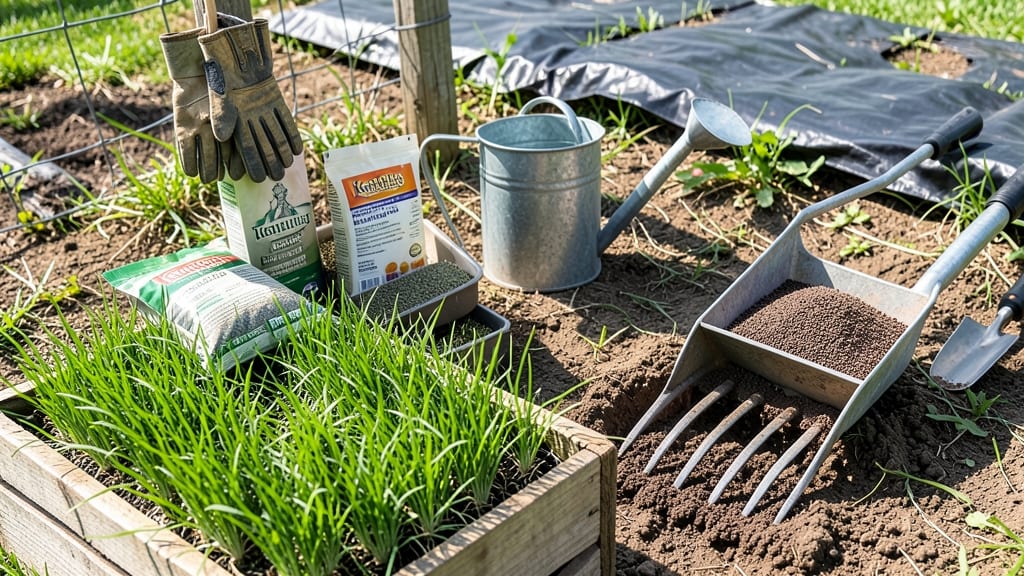
How to fix bare spots in my lawn—this overseed and topdress trick is the secret to lush, even coverage that lasts. 🌱 I’ve turned patchy lawns into thick, green carpets using just a few simple steps, and the best part? You can do it in a single weekend without renting expensive equipment.
The real fix starts with understanding why those spots appeared in the first place—whether it’s foot traffic, disease, or poor soil. Once you know the cause, you’ll choose the right grass seed blend for your climate and topdress with compost or sand to create the perfect growing environment.
No more guessing which seed to pick or how much to spread.
By the time you’re done, you’ll have a lawn that looks like it belongs in a postcard, with no more weeds sneaking in and a texture so even you’ll forget those bare patches ever existed.
The key is timing—do this in early fall or spring when conditions are ideal for germination.
Even if you’ve tried overseeding before and ended up with uneven growth, this method works because it addresses the soil and the seed together. Let’s get your lawn back to its best in just a few steps—no green thumb required.
Root Causes Of Lawn Thinning
Bare spots in your lawn aren’t just an eyesore—they’re a clear signal that something’s disrupting your grass’s ability to thrive. Understanding the why behind these patches is the first step to restoring a lush, green carpet.
Let’s break down the most common culprits, backed by science, so you can tackle the problem at its source.
---
Soil compaction occurs when the tiny air pockets between soil particles get squeezed out, leaving roots suffocated. This happens from: - Foot traffic (kids playing, pets running, or frequent mowing). - Heavy machinery (lawnmowers, trimmers, or even golf carts). - Clay-heavy soil (naturally dense and prone to compaction).
Why it kills grass: Roots need oxygen, water, and nutrients to grow. Compacted soil blocks these essentials, starving grass of what it needs to spread. Over time, the affected area weakens, dies back, and leaves behind bare soil.
💡 Pro Tip: Walk on wooden planks or use a stepping stone path to protect high-traffic areas. For compacted spots, aeration (removing small soil cores) can restore airflow to roots.
---
Grass isn’t just dying from neglect—it’s often under siege by pests and pathogens that chew, burrow, or infect it. Common offenders include:
| Pest/Disease | How It Damages Grass | Visual Clues | |-------------------------|-------------------------------------------------------------------------------------------|-------------------------------------------| | Grubs (White Grubs) | Larvae feed on grass roots, causing patches to pull up easily. | Brown, spongy turf that lifts like a rug. | | Chinch Bugs | Piercing-sucking insects drain sap, leading to yellowing and wilting. | Straw-colored grass with black bugs. | | Fungal Infections | Thrives in damp conditions, causing brown spots (e.g., brown patch or dollar spot). | Circular bare patches with fuzzy edges. | | Mole or Vole Damage | Burrowing animals uproot grass in tunnels, leaving irregular bare zones. | Visible tunnels or mounds of dirt. |
Why it happens: Pests thrive in stressed lawns (thin grass, poor drainage, or overwatering). Diseases spread when humidity is high, and fungi love moist, shaded areas.
🔥 Action Step: Identify the culprit by inspecting the soil (grubs?) or turf (fungal growth?). Treat with targeted pesticides or fungicides, and improve drainage to discourage future outbreaks.
---
Grass needs water to survive, but imbalances create the perfect storm for bare spots.
- Underwatering: Grass wilts, turns brown, and dies from drought stress. Roots shrink, and recovery becomes nearly impossible without deep watering. - Overwatering: Soggy soil suffocates roots, promotes fungal growth, and leaches away nutrients.
It’s like drowning your lawn—roots can’t breathe! - Irregular Watering: Skipping days or using sprinklers that create dry spots leaves some areas parched while others get drenched.
The science behind it: Grass roots need 1–1.5 inches of water per week (including rain). Shallow watering (e.g., daily light sprinkles) encourages roots to stay near the surface, making them vulnerable to drought. Deep, infrequent watering (1–2 times per week) trains roots to grow deeper for resilience.
🌡️ Fix It: Adjust your sprinkler schedule. Water early in the morning to reduce evaporation and fungal risk. Use a rain gauge or tuna can to measure output—aim for consistent coverage.
---
Grass is a sun-lover, but too much shade (or sudden shade changes) can weaken it over time.
- Natural Shade: Trees or buildings block sunlight, reducing photosynthesis.
Shady grass grows slower, becomes thin, and struggles to compete with weeds. - Artificial Shade: Newly planted trees or structures cast shifting shadows, creating stress points where grass either burns (too much sun) or etiolates (stretches weakly toward light). - Lawn Edges: Areas near sidewalks or fences often get partial shade, leading to uneven growth.
Why it matters: Grass needs 4–6 hours of direct sunlight daily to thrive. Without it, chlorophyll production drops, weakening the plant’s ability to repair itself. Shady patches also attract moss, which outcompetes grass.
✨ Solution: Choose shade-tolerant grass varieties (like fine fescue) for problem areas. Thin out tree canopies in spring to gradually increase sunlight. For sunny edges, overseed with heat-resistant grass types.
--- Even the hardiest grass can’t grow if the soil lacks essential nutrients. Common deficiencies include:
- Nitrogen (N): Leads to pale, yellowing grass (a classic sign of "nitrogen burn" if over-applied). - Phosphorus (P): Stunts root growth, making grass weak and prone to disease. - Potassium (K): Reduces drought and cold tolerance, leaving grass vulnerable to stress. - Micronutrients (Iron, Zinc, etc.): Cause yellowing between veins (chlorosis) or stunted growth.
How it happens: - Over-fertilizing with weed killer: Some herbicides (like pre-emergents) block nutrient uptake. - Compacted or clay soil: Locks up nutrients, making them unavailable to roots. - pH imbalances: Soil pH affects nutrient absorption. Most grasses prefer 6.0–7.0; acidic soil (below 6.0) locks out phosphorus and micronutrients.
📊 Test and Fix: Conduct a soil test (kits are cheap and available at garden centers). Amend soil with compost, lime (to raise pH), or sulfur (to lower pH). Use a slow-release fertilizer in early spring to avoid burning grass.
--- Mowing isn’t just about looks—it’s a survival skill for grass. Mistakes here accelerate thinning:
- Cutting Too Short: Removes too much leaf blade, reducing the grass’s ability to photosynthesize.
The "1/3 rule" applies: Never remove more than 1/3 of the blade height in one mowing. - Dull Mower Blades: Tears grass instead of cleanly cutting it, creating ragged edges that invite disease. - Skipping Mowing Altogether: Tall grass shades the soil, smothers new growth, and encourages weeds. - Mowing Wet Grass: Leaves clumps of grass that smother the lawn, leading to fungal growth.
The domino effect: Stressed grass from poor mowing weakens its immune system, making it susceptible to pests, diseases, and drought. Over time, these areas thin out and die.
👨🍳 Maintenance Hack: Adjust your mower height to 3–4 inches for most cool-season grasses. Mow when grass is dry, and sharpen blades 2–3 times per season for clean cuts.
Revive Your Lawn Step-by-Step
Now that you know the culprits behind those pesky bare patches, it’s time to roll up your sleeves and bring your lawn back to life!
Whether your grass is struggling due to shade, foot traffic, pests, or poor soil, these targeted solutions will help you restore a lush, green carpet. Let’s tackle each cause one by one—with practical, foolproof methods and pro tips to keep your lawn thriving long-term.
---
Problem: Heavy use flattens grass, cuts off oxygen, and prevents roots from growing.
Solution: 1. 🔥 Loosen the Soil – Rent a core aerator (or use a manual spiker) to pull out small soil plugs. This reopens pores for air, water, and nutrients. - Pro Tip: Do this in early fall or spring when grass is actively growing. Avoid aerating if the soil is waterlogged or frozen.
2. 🍳 Topdress with Organic Matter – Spread a ¼-inch layer of compost or peat moss over the aerated areas. Lightly rake it in to blend with the soil. - Why? This improves drainage, adds nutrients, and encourages root growth.
3. 👨🍳 Overseed Immediately – Sprinkle high-quality grass seed (match it to your lawn type) over the treated spots. Gently press it into the soil with a lawn roller or your foot. - Best Seeds: For high-traffic areas, choose tall fescue or Kentucky bluegrass—they’re tougher than fine fescue.
4. 🥘 Keep It Moist – Water lightly twice daily (morning and evening) for the first 2 weeks to help seeds germinate. After germination, water deeply 2-3 times per week.
5. ⏰ Prevent Future Damage – Redistribute foot traffic with walkways (gravel or mulch) or limit play on the lawn until new grass establishes (about 4-6 weeks).
---
Problem: Most lawn grasses need 4-6 hours of sunlight daily. Shady spots often turn into moss or weeds.
Solution: 1. 🔥 Test the Soil – Use a soil test kit to check pH and nutrient levels. Shady areas often lack nitrogen. - Fix: Apply a slow-release nitrogen fertilizer (like a 24-0-6) in early spring.
2. 🍳 Choose Shade-Tolerant Grass Seed – Replace bare spots with: - Fine fescue (deep green, drought-resistant) - Creeping red fescue (handles low light well) - Shade mix blends (available at garden centers)
3. 👨🍳 Improve Drainage – If water pools in shady areas, mix in sand or perlite to loosen compacted soil before seeding.
4. 🥘 Mulch Lightly – After seeding, cover with a thin layer of straw (not wood chips) to retain moisture without smothering new growth.
5. 🌡️ Monitor Moisture – Shady soil stays damp longer, so water only when the top inch feels dry (use a moisture meter if unsure).
--- Problem: Grubs, chinch bugs, or fungal infections can kill grass overnight.
Solution: 1. 🔥 Identify the Pest – Dig up a small patch of dead grass. If you see: - White grubs → Use beneficial nematodes or imidacloprid granules. - Chinch bugs → Spray with neem oil or carbaryl. - Fungal spots → Apply fungicide (like propiconazole) and improve airflow by thinning nearby plants.
2. 🍳 Feed the Recovery – After treating pests, apply a balanced fertilizer (10-10-10) to help grass bounce back.
3. 👨🍳 Overseed & Protect – Sow new seed, then lay down straw mulch to shield tender sprouts from birds or further damage.
4. ✨ Prevent Future Outbreaks – - Water deeply but less often (encourages deep roots, reducing pest habitats). - Mow high (3-4 inches) to shade out weeds and pests. - Aerate annually to reduce thatch buildup (a pest magnet).
--- Problem: Poor soil = weak grass. Symptoms include yellowing, slow growth, or sparse patches.
Solution: 1. 🔥 Soil Test First – Grab a DIY test kit ($10-$20) or send a sample to your local Cooperative Extension Service for a full report.
2. 🍳 Amend the Soil – Based on results, add: - Low pH (acidic)? → Sprinkle lime (follow package rates). - High pH (alkaline)? → Work in sulfur or peat moss. - Low organic matter? → Mix in compost or aged manure.
3. 👨🍳 Fertilize Smartly – - Early spring: Use a high-nitrogen fertilizer (25-0-5) to kickstart growth. - Fall: Switch to a slow-release, potassium-rich fertilizer (5-10-10) for root strengthening.
4. 🥘 Boost Microbes – Sprinkle mycorrhizal fungi or compost tea to enhance nutrient uptake.
5. 🎯 Long-Term Care – - Top-dress annually with compost. - Avoid synthetic chemicals—they kill beneficial soil organisms. - Plant deep-rooted cover crops (like clover) in bare spots to prevent erosion.
--- If you’re short on time, try these instant-gratification hacks: - Sod Patches: Cut and lay pre-grown sod over bare spots (press edges firmly). - Hydroseeding: Rent a hydroseeder for large areas—it’s like painting on grass seed + mulch. - Dollar Store Trick: Use cotton fabric strips (soaked in water) as temporary mulch until seed germinates.
--- | Cause | Prevention Tip | |--------------------|---------------------------------------------------------------------------------| | Foot Traffic | Install stepping stones or a gravel path. | | Shade | Prune overhanging trees or plant shade-tolerant ground cover. | | Pests | Encourage ladybugs and birds (natural predators) with a small water feature. | | Poor Soil | Top-dress with compost every 6-12 months. | | Drought | Water deeply 2-3x/week (1-1.5 inches per session). | | Weeds | Hand-pull weeds before they seed (or use corn gluten meal as a pre-emergent). |
--- Final Thought: Patience is key—new grass takes 4-6 weeks to establish. Stick with your plan, and soon, your lawn will be thicker, greener, and tougher than ever! 🌟
Frequently asked questions
Can I fix bare spots in my lawn in just one weekend?
For small patches, yes! Focus on aerating, topdressing with compost, and overseeding—these steps can be done in a single day. Larger areas may need 2 weekends to complete properly, especially if you're also addressing soil compaction or pest issues. The key is preparing the soil first, then seeding while conditions are ideal.
What’s the best time of year to overseed bare spots?
Early fall (late August to October) is ideal for most regions because cooler temperatures and increased rainfall create perfect germination conditions. For warm-season grasses, late spring (April-May) works best. Avoid overseeding during extreme heat or cold—new grass needs stable conditions to establish.
Do I need to remove weeds before overseeding?
Yes, but don't pull them by hand—this disturbs the soil too much. Instead, spray with a non-selective herbicide like glyphosate 2-3 weeks before overseeding to kill weeds without harming new grass. For small patches, hand-pulling works if you do it carefully right before seeding.
How do I know if my bare spots are caused by pests or disease?
Look for these clues: White grubs create spongy turf that lifts easily, while chinch bugs leave straw-colored patches with black bugs. Fungal infections appear as circular brown spots with fuzzy edges. Dig up a small section—if you see larvae or insects, that's your culprit. A soil test can also reveal nutrient deficiencies.
Can I use regular garden soil to fill bare spots?
No—regular garden soil is too heavy and can suffocate grass roots. Instead, mix topsoil with compost (50/50 ratio) to improve drainage and fertility. For compacted areas, add sand or perlite to create a looser growing medium. The goal is to mimic your existing lawn's soil composition as closely as possible.