
Lawn
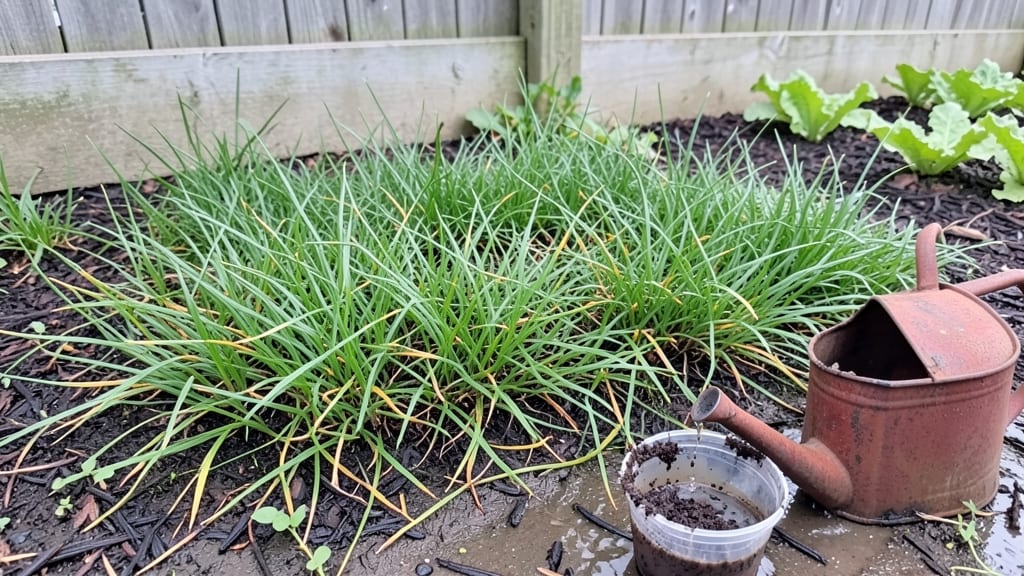
Overwatering new grass seed is a common mistake that smothers seeds by suffocating roots, encouraging rot, and promoting fungal diseases like Pythium. Aim for damp—not soggy—soil until germination occurs, then taper back based on rainfall.
New grass seed thrives when soil stays consistently moist but never waterlogged. Too much water cuts off oxygen, creating an environment where harmful microbes flourish and seeds suffocate. 🌱 Think of it like a sponge—you want it damp enough to support growth, not drenched to the point of collapse.
I’ve seen entire lawns fail because of overzealous watering, especially in humid climates where moisture lingers longer. The key is checking soil moisture daily with your finger: if the top inch feels dry, it’s time to water lightly again.
Once those first green shoots appear, you’ll know you’ve struck the right balance. At that stage, I recommend shifting to deeper, less frequent watering to encourage strong root development. Morning watering is ideal—it gives excess moisture time to evaporate before evening, reducing fungal risks.
💡 In This Article
- How Overwatering Damages New Grass Seed Growth
- Proper Watering Schedule for Germinating Grass Seed
How overwatering damages new grass seed growth
When you drown new grass seed in water, you're essentially suffocating it. Seeds need oxygen to germinate, and excess moisture displaces air from soil pores, creating anaerobic conditions.
This oxygen deprivation triggers a metabolic shift in seeds, forcing them to consume their own energy reserves faster than they can replenish them. The result?
Seeds either fail to sprout or produce weak, stunted seedlings that can't establish strong roots. 🌱 Think of it like trying to breathe through a straw—just enough air gets through, but not nearly enough to sustain life.
Excess water also creates the perfect breeding ground for soil-borne pathogens like Pythium, a fungal disease that thrives in waterlogged conditions.
These microbes attack the seed's protective coating and emerging radicles (the first root that breaks through the seed), causing them to rot before they can anchor into the soil. Studies show that Pythium can reduce germination rates by up to 80% in overwatered conditions.
The fungus spreads rapidly through water droplets, turning your seedbed into a microbial hotspot where healthy growth is impossible.
Another critical issue is how water disrupts the delicate seed-to-soil contact required for germination. Grass seeds rely on capillary action to draw moisture into their outer layers, but heavy watering can wash away the fine soil particles that create this moisture bridge.
Without proper contact, seeds become dehydrated despite being surrounded by water—a phenomenon called "hydrophobic stress." This is why you might see seeds floating on the surface or buried too deeply in muddy soil, both of which prevent germination. 💧
The physical structure of the soil also changes under overwatering. Clay soils become compacted, while sandy soils develop crusts that prevent seeds from emerging. Even the seed's own protective mechanisms fail—many grass seeds have a hard outer layer that needs to soften slightly before germination.
Too much water can cause this layer to break down prematurely, exposing the embryo to pathogens or causing it to absorb water too quickly and burst.
What most gardeners don't realize is that overwatering affects the seed's internal chemistry too. Enzymes responsible for breaking down starches into sugars (the energy source for germination) become less efficient in waterlogged conditions. Without these sugars, the seed lacks the fuel needed to push through the soil.
This is why you might see seeds that look swollen and ready to sprout but never break through the surface—a classic sign of suffocation rather than true germination failure.
To visualize the damage, imagine a seed trying to grow underwater. It might sprout, but the resulting seedling would be pale, leggy, and prone to falling over—exactly what you see with overwatered grass. The roots, deprived of oxygen, develop poorly and can't anchor the plant properly.
This sets up a cycle where the grass struggles to establish itself, making it vulnerable to drought, disease, and competition from weeds later on. 🌱