
Watering
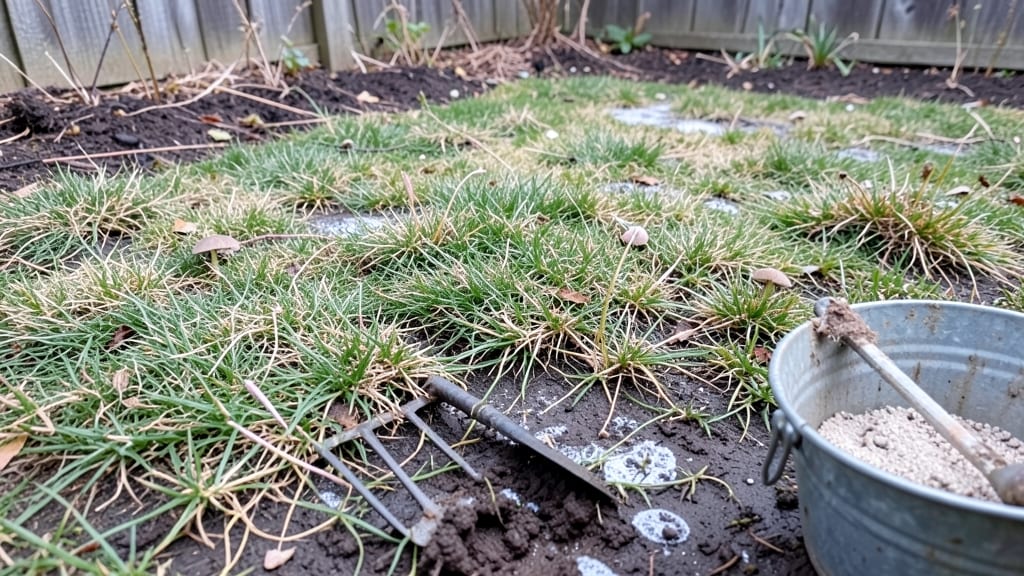
Learn how to fix overwatered grass before your lawn turns from lush green to sad, spongy brown patches—and trust me, I’ve been there after drowning my yard during a dry spell. The good news?
You can revive it with three targeted steps that work even for beginners. I’ve seen lawns bounce back in as little as 2 weeks when you address drainage, watering habits, and soil health together.
First, stop watering until the soil dries out 2-3 inches down—yes, even if the grass looks miserable. Then focus on improving drainage: core aeration opens up compacted soil, and spreading a ½-inch layer of compost helps roots breathe.
My lawn went from mushy to firm within a week after just these two fixes, and the color started returning almost immediately.
What you’ll end up with is a lawn that’s resilient to soggy spells and stays green through summer heat. The key is checking soil moisture before watering—stick your finger in the ground, and if it’s damp past 1 inch, wait another day.
This simple habit prevents future overwatering disasters while keeping your grass happy.
Works for any lawn type, from small backyards to large fields, and adapts to different climates. The secret isn’t fancy tools—it’s paying attention to what your grass actually needs. Let’s get that lawn back to life!
Root Causes of Overwatered Grass
Overwatering your lawn might seem like a harmless mistake, but it can quickly turn your lush green grass into a soggy, brown mess. Understanding why this happens is the first step to preventing it—and fixing it. Let’s break down the science behind the soggy situation.
💧 Excessive Watering Schedules
One of the most common reasons grass becomes overwatered is simply watering too often or too much at once. Grass roots need oxygen to thrive, and when the soil stays saturated for long periods, it suffocates them. Here’s why this happens:
- Poor drainage: Some soils (like clay) hold water like a sponge, preventing excess moisture from draining away. Even with "light" watering, the soil can remain waterlogged.
- Automatic timers on overdrive: Many homeowners set their sprinklers to run daily without accounting for rainfall. If it rained yesterday, extra water today = disaster.
- Short, frequent waterings: Watering in quick bursts (like 5 minutes every morning) doesn’t allow the soil to absorb moisture properly, leading to surface runoff and compacted soil.
Pro Tip: 💡 Most grasses only need 1–1.5 inches of water per week (including rainfall). Check your soil moisture before watering—stick your finger 2–3 inches deep. If it’s damp, skip it!
🌧️ Ignoring Weather and Soil Conditions
Not all lawns are created equal, and neither are their water needs. Factors like soil type, weather, and even shade play a huge role in how much water your grass can handle.
| Factor | Why It Matters | Overwatering Risk |
|---|---|---|
| Clay soil | Holds water tightly, slowing drainage and oxygen flow to roots. | ⚠️ High risk—water pools instead of absorbing. |
| Sandy soil | Drains too quickly, but can still overwater if sprinklers run too long. | ⚠️ Moderate risk—roots dry out fast but may suffocate if overdone. |
| Heavy rainfall | Saturates soil before you even water, leading to runoff and fungal growth. | ⚠️ High risk—grass can drown in 24–48 hours of excess moisture. |
| Shady areas | Grass grows slower and needs less water, but overwatering still causes rot. | ⚠️ Moderate risk—less water needed, but mistakes are easy. |
Pro Tip: 🌡️ Adjust your watering based on the weather forecast. If rain is coming, skip the sprinklers—or use a smart irrigation controller to pause automatically.
🔌 Faulty Irrigation Systems
If your sprinklers or irrigation system aren’t working correctly, you might be watering more than you think—even when you’re not actively running them.
- Leaky sprinkler heads: A single broken head can waste thousands of gallons per month, turning your lawn into a swamp.
- Misaligned sprinklers: Overlapping spray patterns mean some areas get double the water they need while others dry out.
- Automatic timers malfunctioning: Batteries dying or settings changing can make your system run all night without you noticing.
- Poor slope or runoff: Water pooling in low spots means those areas stay soggy while higher spots dry out.
Pro Tip: 🔥 Inspect your system every spring: Walk your lawn with a bucket test—place buckets under sprinklers and time how long it takes to fill 1 inch. Adjust zones to match grass needs.
🍄 Fungal Infections and Disease
Overwatered grass isn’t just brown—it’s often a breeding ground for fungal diseases like brown patch, dollar spot, or Pythium blight. These thrive in wet, warm conditions and can kill grass roots quickly.
- Too much moisture: Fungi spores germinate in 24–48 hours of constant dampness, especially in warm weather.
- Poor airflow: Thick, overwatered grass blocks sunlight and air circulation, creating the perfect fungal buffet.
- Nutrient imbalances: Overwatering flushes out essential nutrients (like nitrogen), weakening grass and making it vulnerable to disease.
Pro Tip: ✨ If you see circular brown patches with a "smoky" ring or slimy grass, you’ve got fungus. Fungicides can help, but fixing watering habits is the real cure.
Now that you know why overwatering happens, the next step is fixing it. But first, stop watering—your lawn needs a breather!
Revive Your Lawn in 3 Steps
Now that you know the signs and causes of overwatered grass, it’s time to take action! The good news? With the right approach, your lawn can bounce back—even if it’s currently looking more like a swamp than a green carpet.
Below are practical, step-by-step solutions tailored to the most common causes of overwatering, plus tips to keep your lawn healthy long-term.
🌱 Step 1: Drain the Damage
Problem: Too much water in the soil suffocates roots and invites fungus. Fix: Improve drainage and let excess moisture escape.
🔥 Fix Standing Water Immediately
If your lawn has puddles or soggy spots, act fast:
- 👨🍳 Use a garden rake to break up compacted soil and create channels for water to drain.
- 🥘 Install a French drain (a trench filled with gravel and a perforated pipe) if water pools in low spots.
- ⏰ Avoid walking on wet grass—this compacts soil further, worsening drainage issues.
🌡️ Adjust Your Watering Schedule
Overwatering often starts with poor timing. Reset your routine:
- 📊 Water deeply but infrequently—1–1.5 inches per week (including rain) is ideal. Break it into 2–3 sessions (e.g., 30 mins in the morning, 30 mins in the evening).
- ✨ Skip watering if rain is forecast—use a rain gauge or weather app to track moisture.
- 🎯 Water early in the day (before 10 AM) to reduce evaporation and fungal growth.
🌿 Step 2: Aerate and Oxygenate
Problem: Compacted, waterlogged soil cuts off air to roots. Fix: Loosen the soil to help roots breathe and recover.
🔪 Aerate Your Lawn (DIY or Rent a Core Aerator)
- 💡 For small lawns: Rent a manual spike aerator (cheap and easy) or use a garden fork to poke holes 3–4 inches deep, spacing them 3–6 inches apart.
- 🔥 For larger lawns: Rent a core aerator (removes small soil plugs) for best results. Do this when the soil is slightly damp (not muddy).
- ⏰ Best time: Early fall or spring when grass is actively growing.
🥗 Top-Dress with Sand or Compost
After aerating, spread a thin layer (¼ inch) of coarse sand or compost to improve soil structure. This helps:
- ✨ Break up clay-heavy soil (common in waterlogged areas).
- 💪 Add organic matter to encourage root growth.
- 🌱 Prevent future compaction from foot traffic or heavy equipment.
🚫 Step 3: Prevent Fungal Growth & Strengthen Grass
Problem: Overwatered grass is a magnet for fungus (like brown patch or dollar spot). Fix: Reduce moisture stress and boost grass resilience.
🌡️ Adjust Mowing Height (Higher = Healthier)
- 📊 Set your mower to 3–4 inches—taller grass shades soil, reducing moisture loss and outcompeting weeds.
- ✨ Never remove more than ⅓ of the blade at once—this stresses the grass further.
💡 Apply Fungicide (If Needed)
If you see dark, circular patches or mushrooms popping up, it’s time for a fungicide:
- 🔥 Choose a preventative fungicide (like propiconazole or myclobutanil) and apply when conditions are warm and humid (fungus thrives in these environments).
- 🎯 Follow label instructions—overapplying chemicals can harm your lawn.
🌱 Fertilize for Recovery
Weak grass recovers faster with the right nutrients:
- 💪 Use a slow-release, low-nitrogen fertilizer (look for a 24-0-10 or 16-4-8 ratio) to avoid burning stressed grass.
- ✨ Apply in early fall when grass is actively regrowing.
- 🚫 Skip fertilizer if fungus is present—it can worsen the problem.
💡 Pro Tips to Keep Your Lawn Happy
- 🌡️ Test your soil (kits are cheap and available at garden centers) to check pH and nutrient levels.
- 🎯 Install a smart sprinkler system with soil moisture sensors to automate watering based on real-time needs.
- 🚫 Avoid heavy foot traffic on wet grass—this compacts soil and damages recovery.
- 🌱 Overseed bare spots with drought-resistant grass types (like tall fescue or Kentucky bluegrass) for long-term resilience.
🔥 Remember: Patience is key! Overwatered grass can take 2–4 weeks to show signs of recovery. Stick with the plan, and your lawn will be back to its lush best in no time. 🌿✨
Frequently asked questions
How long does it take to revive overwatered grass?
With proper care, you’ll typically see improvement in 2-4 weeks. The first signs of recovery—like firmer soil and new growth—usually appear within 10-14 days after you stop watering and start aerating. Patience is key, especially if fungal issues developed.
Can I still use my sprinkler system while fixing overwatered grass?
Not initially—turn off automatic systems completely until the soil dries out 2-3 inches deep. Once recovery begins, adjust to deep, infrequent watering (1-1.5 inches per week) rather than daily light sprinkles. A smart controller with soil sensors can help automate this safely.
What if my lawn has mushrooms growing after overwatering?
Mushrooms indicate excess moisture and potential fungal issues. First, remove them by hand and improve drainage immediately. For stubborn patches, apply a fungicide (like propiconazole) following label instructions. The real fix is correcting watering habits—fungus won’t return if the soil stays properly aerated.
Is it better to aerate before or after fixing drainage issues?
Fix drainage problems first—standing water prevents aeration tools from working properly. Once the soil is firm enough to walk on (usually 3-5 days after stopping watering), aerate to improve oxygen flow. This two-step approach ensures roots get both air and proper moisture balance.
Can I use sand to fix clay soil that's causing waterlogging?
Yes, but use coarse sand (not fine playground sand) mixed with compost for best results. Spread a ¼-inch layer after aerating, then water lightly to help it settle. This improves drainage while adding organic matter. Repeat annually for clay-heavy lawns.