
How To
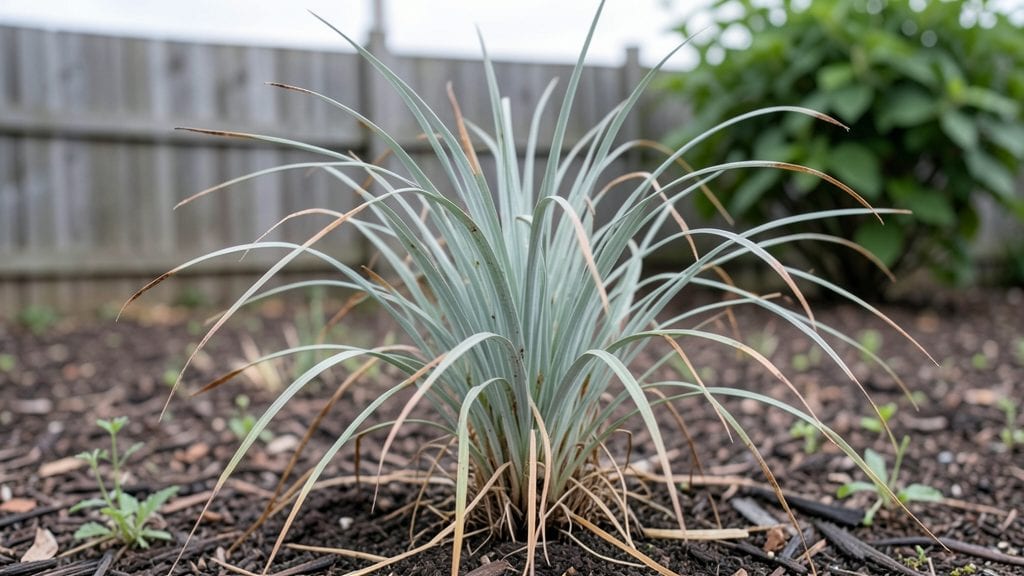
My lemon grass plants looked like they’d been through a drought—until I realized the brown tips weren’t about thirst at all. ✨ The problem often starts with something simple: too much water, not enough nutrients, or even the wrong soil mix.
I’ve fixed this issue in my own garden by adjusting just one thing, and it made all the difference.
Here’s the thing—lemon grass thrives on balance. Overwatering drowns the roots, while dry soil stresses the plant. Nutrient deficiencies, especially potassium or iron, show up as those crispy brown edges.
Even tap water with high chlorine can scorch the tips. The fix? Check your watering routine, use filtered water, and feed the soil with compost.
Within two weeks, new growth will push out green and vibrant. Trim the dead tips with clean scissors, and watch your plants bounce back. The key is consistency—lemon grass hates neglect, but it rewards patience with lush, fragrant stems ready for cooking or decorating.
Works for potted plants or in-ground beds, and the same principles apply whether you’re growing in sun or partial shade. Let’s get those tips turning green again!
Why it happens
When your lemon grass starts showing brown, crispy tips, it’s not just a cosmetic issue—it’s a cry for help from your plant. The good news? Most causes are fixable with a little detective work.
Let’s break down the science behind why those tips turn brown and what’s really going on in your pot.
💧 Overwatering or Poor Drainage
Lemon grass thrives in moist but well-drained soil. When roots sit in soggy conditions, they can’t absorb oxygen, leading to root rot. This disrupts nutrient uptake, causing the tips to brown as a sign of stress.
- Why it happens: Overwatering or compacted soil traps excess moisture, suffocating roots.
- Actionable fix: Let the top 1–2 inches of soil dry out between waterings. Use pots with drainage holes and a mix of sandy or perlite-amended soil to improve aeration.
☀️ Sunburn or Intense Heat Stress
Lemon grass loves sunlight, but direct, scorching rays (especially in hot climates) can dehydrate the tips, turning them brown and crispy. Think of it like sunburn on your skin—just for a plant!
- Why it happens: High temperatures + low humidity = rapid water loss through transpiration, leaving tips dry and brittle.
- Actionable fix: Provide partial shade (3–6 hours of morning sun) during peak heat. Mulch around the base to retain moisture.
🌡️ Nutrient Deficiencies or Imbalances
Brown tips can signal a lack of key nutrients, particularly potassium, calcium, or magnesium. These minerals help regulate water movement and cell health in the plant.
| Deficiency | Symptoms | Solution |
|---|---|---|
| Potassium (K) | Brown, scorch-like tips; weak stems | Fertilize with a balanced liquid fertilizer (e.g., 10-10-10) or use banana peel tea. |
| Calcium (Ca) | Crispy, brown edges; stunted growth | Add crushed eggshells or use a calcium-rich fertilizer like gypsum. |
| Magnesium (Mg) | Yellowing between veins + brown tips | Apply Epsom salt solution (1 tbsp per gallon of water) monthly. |
🌬️ Environmental Stressors: Wind or Salt Buildup
If your lemon grass is near a drafty window, fan, or coastal area, the tips may dry out from windburn or accumulate salt deposits from tap water.
- Why it happens:
- Wind desiccates moisture from leaves.
- Hard water leaves mineral residues that block pores.
- Actionable fix:
- Relocate to a sheltered spot with gentle airflow.
- Flush soil with rainwater or distilled water to remove salt buildup.
🐛 Pest Damage or Fungal Infections
While less common, pests like spider mites or fungal diseases (e.g., leaf spot) can cause brown, necrotic tips by feeding on plant tissues or clogging stomata.
- Why it happens: Pests pierce cells, while fungi disrupt water absorption.
- Actionable fix:
- Inspect leaves for webbing or tiny dots (mites). Treat with neem oil or insecticidal soap.
- Prune affected areas and apply copper fungicide if mold is present.
Pro Tip: 🔍 Before diagnosing, check the soil moisture with your finger—if it’s damp, rule out overwatering first!
Quick Fixes for Reviving Lemon Grass
Reviving lemon grass with brown tips doesn’t have to be a struggle—with the right approach, you can bring your plants back to life in no time. Below are practical, step-by-step solutions tailored to the most common causes of browning, along with prevention tips to keep your lemon grass thriving.
💧 Overwatering or Poor Drainage
If your lemon grass is soggy at the roots, brown tips are a clear sign of root rot or fungal issues. Here’s how to fix it:
Step 1: Check the Soil Moisture
👨🍳 Test the soil by sticking your finger 1-2 inches deep—if it’s damp, hold off on watering. ✅ Fix: Let the soil dry out completely before watering again. Lemon grass prefers moderate moisture, not soggy conditions.
Step 2: Improve Drainage
🔧 Repot if needed into a container with drainage holes (or add perlite/sand to heavy soil). ✅ Fix: If repotting isn’t an option, water less frequently and ensure excess water drains away.
Step 3: Trim the Damage
✂️ Snip off brown tips with clean scissors, leaving healthy green growth. ✅ Fix: This prevents further spread of rot and encourages new growth.
💡 Prevention Tip: Water only when the top inch of soil is dry—overwatering is the #1 killer of lemon grass!
☀️ Underwatering or Sunburn
Brown, crispy tips can also mean dehydration or sun stress. Here’s how to hydrate and protect your plant:
Step 1: Water Deeply & Consistently
💦 Water thoroughly until it drains from the bottom, then wait until the topsoil is dry before repeating. ✅ Fix: Lemon grass needs 1-2 inches of water per week (more in heatwaves).
Step 2: Adjust Sun Exposure
🌿 Move to partial shade (4-6 hours of sunlight) if leaves are scorched. ✅ Fix: If outdoors, provide afternoon shade during peak sun (10 AM–4 PM).
Step 3: Mist for Humidity
🌧️ Lightly mist leaves in dry climates to mimic tropical conditions. ✅ Fix: A pebble tray with water under the pot also adds moisture.
💡 Prevention Tip: Morning watering reduces evaporation, keeping roots happy longer.
🌱 Nutrient Deficiency or Over-Fertilizing
Brown tips can signal lack of nutrients (like nitrogen) or chemical burn from too much fertilizer.
Step 1: Flush the Soil
🚰 Water heavily to leach out excess salts (from fertilizers) for 10-15 minutes. ✅ Fix: Wait 2 weeks before fertilizing again.
Step 2: Feed with Balanced Fertilizer
🌱 Use a mild, water-soluble fertilizer (like 10-10-10) every 4-6 weeks in growing season. ✅ Fix: Avoid high-salt fertilizers—they burn roots!
Step 3: Boost with Organic Matter
🍃 Mix in compost or worm castings for slow-release nutrients. ✅ Fix: This improves soil structure and prevents deficiencies.
💡 Prevention Tip: Less is more—follow fertilizer instructions to avoid overdoing it!
🦟 Pest Damage or Disease
If brown tips appear sticky, slimy, or accompanied by spots, pests (like aphids) or fungus may be to blame.
Step 1: Inspect Leaves & Stems
🔍 Look for tiny insects, webs, or black sooty mold (a fungus fed by pests). ✅ Fix: Neem oil spray (1 tsp per quart of water) kills pests naturally.
Step 2: Prune Infected Areas
✂️ Cut off severely damaged leaves and dispose of them far from the plant. ✅ Fix: Prevents spread to healthy parts.
Step 3: Improve Airflow
🌬️ Space plants apart or prune nearby foliage to reduce humidity around the base. ✅ Fix: Fungus thrives in damp, stagnant air—keep it breezy!
💡 Prevention Tip: Quarantine new plants for a week to spot pests early.
Final Pro Tip: 🌿 Revive with a Warm Soak
For severely stressed lemon grass, try this emergency fix:
- Trim all brown tips.
- Soak the pot in warm water for 10-15 minutes to hydrate roots.
- Repot in fresh, well-draining soil if needed.
With these simple fixes, your lemon grass should bounce back in 1-2 weeks—just give it a little TLC! 🌱✨
Frequently asked questions about lemon grass browning
Why do my lemon grass stems develop brown tips even when I water regularly?
Brown tips often signal overwatering or nutrient deficiencies, not underwatering. Check if the soil stays soggy—lemon grass prefers moderate moisture with well-draining soil. If the roots are waterlogged, they can’t absorb oxygen, causing stress that manifests as brown tips. Try letting the top 1-2 inches dry out between waterings.
Can I still use lemon grass with brown tips for cooking?
Yes, but trim off the brown, crispy parts before use—they’re safe to eat but less flavorful. The healthy green stems contain the most aromatic oils. Just wash the plant thoroughly and chop off any discolored sections. Pro tip: Store fresh lemon grass in a glass of water in the fridge to keep it fresh longer!
How do I tell if my lemon grass needs more sun or less sun?
Look for these clues: Sunburned tips (dry, crispy edges) mean too much direct sun, while weak, pale stems indicate insufficient light. Lemon grass thrives in bright, indirect light (4-6 hours daily). If outdoors, place it where it gets morning sun and afternoon shade—this balances its tropical needs without scorching.
Will pruning brown tips help my lemon grass grow faster?
Pruning encourages new growth by redirecting the plant’s energy to healthier stems. Use clean scissors to snip just above a leaf node (where leaves emerge). This also prevents pests from hiding in dead tissue. After pruning, give your plant a light fertilizer boost with compost tea or a balanced liquid fertilizer.
Can hard water cause brown tips in lemon grass?
Yes, hard water with high mineral content can leave salt deposits that block soil pores and scorch leaf tips. To fix it, flush the soil with rainwater or distilled water monthly. If possible, use filtered water for watering. Adding a 1-inch layer of mulch also helps prevent salt buildup and retains moisture.