
Pests
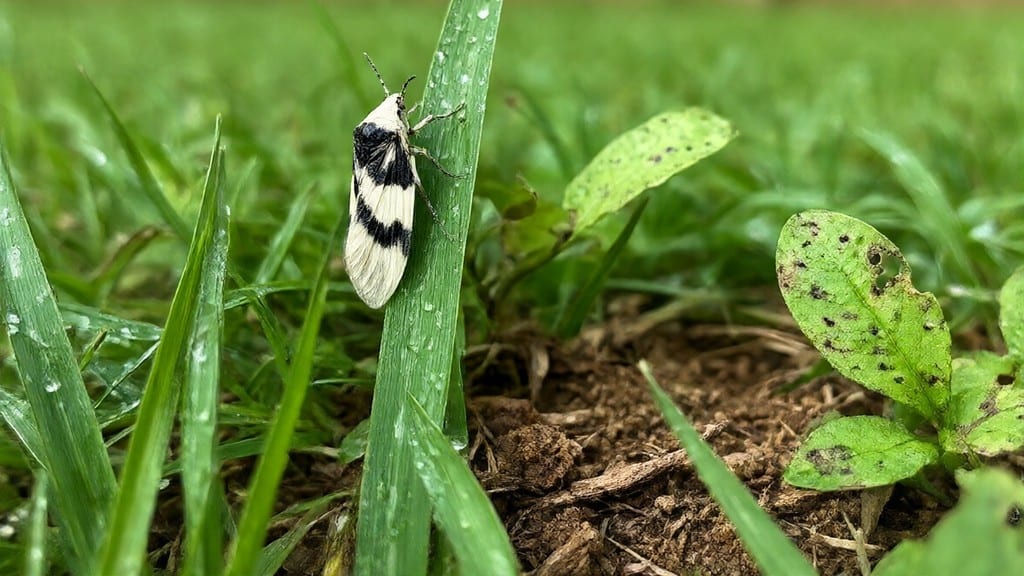
White flies in grass aren’t just annoying—they turn your lawn into a sticky, yellowing mess if you ignore them. 🌱 I’ve wrestled with these tiny white pests, and I’ll show you how to kick them out in three simple steps without harsh chemicals.
The key is catching them early, before they spread to nearby plants or leave that telltale honeydew residue.
These pests don’t eat grass directly, but their feeding weakens blades and attracts sooty mold. The real damage happens when they migrate to flowers, vegetables, or shrubs nearby. Regular mowing and avoiding overwatering are your first lines of defense—white flies love damp, stressed grass.
Once they’re established, though, you’ll need a targeted approach to break their life cycle.
By the end of this, your lawn will look vibrant and healthy again, with no more swarms of white flies hovering over blades. The solution focuses on natural controls that work fast—no waiting weeks for results.
You’ll even learn how to prevent them from coming back next season, so your grass stays lush and pest-free.
This method works for any grass type, from cool-season Kentucky bluegrass to warm-season Bermuda. Whether you’ve got a small patch or a whole lawn, the same principles apply. Let’s get those pests under control for good—without sacrificing your yard’s health.
Root Causes Of Grass Pests
Whiteflies and similar grass pests don’t just appear out of nowhere—they’re drawn to specific conditions that make your lawn the perfect buffet. Understanding these triggers is the first step to stopping them before they take over.
Let’s break down the science behind why these tiny invaders show up in your yard.
###
🌱 Overwatered or Poorly Drained Soil
Whiteflies and other grass pests thrive in damp, soggy conditions. When your lawn retains too much moisture—whether from overwatering, poor drainage, or heavy rainfall—you’re creating an ideal breeding ground. Here’s why:
- Moisture attracts fungus: Fungal growth (like Fusarium or Rhizoctonia) weakens grass roots, making plants more susceptible to pests.
- Soft, spongy turf: Overwatered grass becomes mushy, making it easier for pests to burrow, lay eggs, and feed without resistance.
- Nutrient imbalance: Excess water leaches away essential nutrients (like nitrogen and potassium), stressing grass and making it less resilient to infestations.
Actionable fix: Test your soil’s drainage and adjust watering to 1–1.5 inches per week (including rain). Aerate compacted soil to improve airflow and reduce standing water.
###
🍃 Nutrient-Deficient or Stressed Grass
Healthy grass repels pests naturally. When your lawn lacks vital nutrients or is under stress, it sends out distress signals that attract whiteflies and their kin. Key triggers include:
- Low nitrogen levels: Nitrogen deficiency (yellowing blades) weakens grass, making it easier for pests to penetrate.
- Potassium shortages: Potassium strengthens cell walls—without it, grass becomes soft and vulnerable to insect damage.
- Drought or heat stress: Wilting grass emits volatile organic compounds (VOCs) that can attract whiteflies seeking moisture.
- Disease or pest history: Previously damaged grass (from grubs, chinch bugs, or fungal infections) is a magnet for repeat infestations.
Actionable fix: Conduct a soil test and amend with a balanced fertilizer (16-4-8 or 10-10-10). Focus on potassium-rich treatments (like greensand) to bolster root strength.
###
🌿 Thatch Buildup and Organic Debris
That layer of dead grass and debris between your soil and blades—called thatch—is a pest paradise. Whiteflies and their larvae hide in thatch to:
- Escape predators: Birds, beetles, and beneficial nematodes struggle to reach them in thick thatch.
- Feed undetected: Thatched areas trap moisture and organic matter, creating a food source for pests.
- Lay eggs safely: Eggs hidden in thatch hatch into nymphs that pierce grass stems, sucking out nutrients.
Actionable fix: Dethatch your lawn in early spring or fall using a rake or vertical mower. Aim for a thatch layer no thicker than ½ inch.
###
🌍 Warm, Humid Climates and Seasonal Shifts
Whiteflies are warm-weather pests, and their life cycles accelerate in specific conditions:
| Factor | Why It Matters | Peak Risk Period |
|---|---|---|
| Temperature | Whiteflies thrive at 75–90°F (24–32°C). Cooler temps slow their reproduction. | Late spring to early fall |
| Humidity | High humidity (60%+) keeps eggs and nymphs hydrated, speeding up growth. | Summer monsoons or coastal regions |
| Seasonal transitions | Sudden heatwaves after cool spells stress grass, making it more attractive to pests. | May–June and September |
Actionable fix: Monitor local weather forecasts and water deeply but less frequently during heatwaves to avoid shocking grass. Use shade cloth on new grass seedlings in hot climates.
💡 Pro Tip: If your lawn has multiple causes (e.g., poor drainage + thatch), tackle the most severe issue first. For example, fix drainage before fertilizing—otherwise, excess nutrients will just feed weeds and pests!
Natural Ways to Eliminate Grass Pests
Now that you understand why whiteflies invade your grass, it’s time to take action! These tiny pests can wreak havoc on lawns and gardens, but the good news is that natural, effective solutions exist.
Below, we’ll break down the best approaches based on the root cause of your infestation—whether it’s overwatering, poor soil health, or weak grass—so you can tackle the problem head-on.
🌱 Overwatered or Damp Grass? Fix It Fast
If your lawn is soggy or overwatered, whiteflies thrive in the moisture. Here’s how to dry it out and discourage them:
💧 Reduce Watering Immediately
- Stop deep watering—switch to light, frequent watering (early morning only) to let the soil dry faster.
- Avoid evening watering, as damp grass at night attracts pests.
- Use a rain gauge to ensure you’re not overdoing it (1 inch per week is ideal).
🌡️ Improve Drainage
- Aerate compacted soil with a garden fork or aerator to help water drain.
- Add organic matter (compost or peat moss) to sandy or clay-heavy soil to improve absorption.
- Check for underground drainage issues—if water pools, redirect it with a French drain or slope adjustments.
🌿 Encourage Faster Drying
- Mow higher (3–4 inches) to shade the soil and reduce evaporation.
- Use a fan or dehumidifier in severe cases (like greenhouses or shaded areas) to speed up drying.
🌱 Weak or Nutrient-Deficient Grass? Strengthen It
If your grass is thin or lacks nutrients, whiteflies see it as an easy meal. Rebuild its defenses with these steps:
💪 Fertilize Properly
- Test your soil first (a DIY kit from a garden center works) to identify deficiencies.
- Use slow-release organic fertilizer (like compost tea or fish emulsion) to avoid chemical overkill.
- Focus on nitrogen (for leafy growth) and potassium (for pest resistance).
🌱 Overseed Bare Spots
- Choose drought-resistant grass varieties (like tall fescue or Bermuda) if your current grass struggles.
- Sprinkle grass seed over thin areas in early fall or spring for faster recovery.
- Keep seed moist (not soggy) until germination (about 2–3 weeks).
🛡️ Boost Natural Defenses
- Apply neem oil spray (1 tsp per quart of water) as a preventive barrier—it repels whiteflies without harming grass.
- Introduce beneficial nematodes (microscopic worms) that target soft-bodied pests like whiteflies.
- Plant pest-repelling ground covers (like clover or creeping thyme) between grass patches to disrupt whitefly habitats.
🌱 Heavy Infestation? Act Fast with Targeted Treatments
If whiteflies have already taken over, you’ll need a two-pronged attack: eliminate adults and break their life cycle.
🕷️ Use Sticky Traps
- Hang yellow sticky traps (available at garden stores) near infested areas—whiteflies are attracted to the color.
- Check traps daily and replace every 3–5 days for maximum effectiveness.
- Place them at ground level (whiteflies stay low in grass).
💦 Blast Them Off with Water
- Use a strong hose spray (not pressure-washing!) to dislodge adults from blades.
- Focus on undersides of leaves and dense grass clumps where they hide.
- Repeat every 2–3 days until populations drop.
🧴 Apply Natural Insecticides
- Soap spray: Mix 1 tbsp mild castile soap + 1 quart water in a spray bottle. Test on a small patch first—it kills on contact but is safe for grass.
- Diatomaceous earth (DE): Sprinkle food-grade DE lightly over grass (avoid windy days). It dehydrates whiteflies but breaks down naturally.
- Botanical oils: Horticultural oil (like neem or canola oil) smothers eggs and young nymphs. Apply in the early evening to avoid burning grass.
🛡️ Prevention Tips to Keep Whiteflies Away
Once you’ve eliminated the current infestation, prevent future attacks with these habits:
💡 Long-Term Lawn Care
- Mow regularly (never remove more than 1/3 of the blade height at once).
- Leave grass clippings (they return nutrients to the soil).
- Dethatch annually to prevent thatch buildup, which traps moisture.
🌿 Companion Planting
- Interplant with marigolds, basil, or mint—their strong scents repel whiteflies.
- Avoid monoculture lawns (just one type of grass)—diverse plantings confuse pests.
🕰️ Seasonal Maintenance
- Fall clean-up: Remove dead plant debris where whiteflies overwinter.
- Spring aeration: Helps grass recover faster and reduces pest entry points.
- Monitor regularly: Check for early signs (sticky residue on leaves = honeydew) and act fast.
⏳ How Long Until You See Results?
- Immediate fixes (water adjustments, sticky traps, blasting): 3–7 days.
- Natural treatments (neem oil, DE, nematodes): 1–2 weeks (reapply as needed).
- Prevention + lawn strengthening: 4–6 weeks for full recovery.
With consistency, your grass will bounce back healthier and whitefly-free! 🌿✨
Frequently asked questions
Are whiteflies harmful to my grass directly?
Whiteflies don’t eat grass blades directly, but their feeding weakens plants by sucking sap from stems and leaves. The real damage comes from their sticky honeydew secretions, which attract sooty mold and create unsightly black residue. They also spread viruses that can stress grass over time.
Why do whiteflies appear suddenly in my lawn?
These pests thrive in warm, humid conditions (75–90°F) and multiply rapidly when grass is stressed from overwatering, poor drainage, or nutrient deficiencies. They often arrive after a heatwave or when nearby plants (like weeds or flowers) become infested first, then migrate to grass.
Will yellow sticky traps work for grass infestations?
Yes, but place them at ground level where whiteflies cluster. Check traps daily and replace every 3–5 days for best results. For large lawns, combine traps with neem oil sprays or diatomaceous earth to break their life cycle faster.
Can I use chemical pesticides safely on grass?
Chemicals like pyrethrin-based sprays can kill whiteflies but may harm beneficial insects and pollinators. For grass, opt for targeted organic solutions first—soap sprays or horticultural oils work well. If chemicals are necessary, choose systemic options and follow label instructions carefully to protect soil health.
How do I prevent whiteflies from returning next season?
Focus on lawn health: mow regularly, overseed bare spots, and improve drainage. Plant pest-repelling ground covers (like clover) between grass patches, and remove plant debris in fall where whiteflies overwinter. Regular soil testing ensures your grass stays strong and resilient.