
Watering
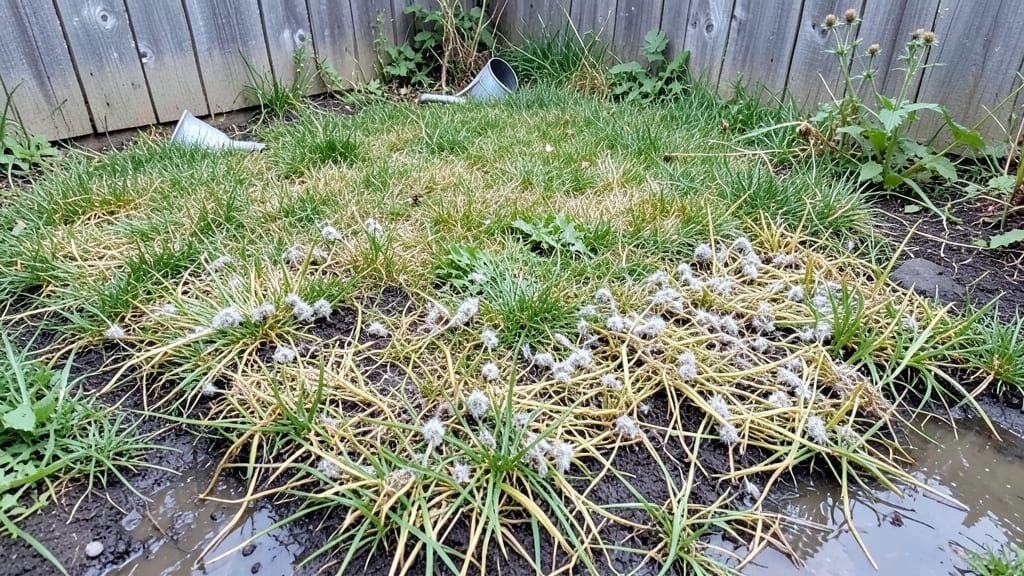
If you’re spotting signs of overwatered grass—like yellowing blades and spongy soil—don’t panic, it’s fixable. 🌱 The key is recognizing the difference between thirsty grass and grass that’s been overwatered, because the solutions couldn’t be more opposite.
Overwatered grass doesn’t just turn yellow—it develops a dull, grayish tint and feels mushy underfoot. You might also spot fungus (like dollar spots or brown patch) or see water pooling instead of soaking in.
The roots struggle to breathe, so they rot instead of growing deep, leaving your lawn weak and prone to pests. Trust me, I’ve turned a soggy mess into a lush carpet by adjusting my watering routine.
Here’s the game-changer: water deeply but less often—about 1 inch per week, including rain. Improve drainage by aerating compacted soil or adding compost, and mow higher in summer to shade roots.
Within 2-3 weeks, you’ll see blades perk up and that spongy feel disappear. The secret is patience and letting the soil dry out between waterings.
This works for all grass types, from fescue to Bermuda, but clay-heavy soils need extra attention. The fix isn’t about throwing more water at the problem—it’s about giving your lawn the right conditions to thrive. Let’s get your grass back to its vibrant best.
Why it happens
Overwatering your lawn might seem harmless—after all, grass needs hydration to thrive! 💦 But when water overwhelms the soil and plant systems, it triggers a chain reaction of problems.
Understanding why this happens helps you adjust habits before your lawn turns into a swamp. Here’s a breakdown of the key culprits:
🌧️ Poor Watering Schedules
Grass roots need oxygen almost as much as water. When you water too frequently or for too long, you disrupt the soil’s air pockets, suffocating roots. Here’s how it plays out:
- Frequency Overload: Watering daily (or even every other day) keeps soil saturated, preventing roots from accessing oxygen. Most grasses only need 1–1.5 inches of water per week, including rainfall.
- Shallow Watering: Light, frequent watering (like sprinklers running for 5–10 minutes) encourages shallow root growth. Deep roots (6+ inches) need longer, less frequent watering (e.g., 20–30 minutes, 2–3x/week) to reach stability.
- Timing Matters: Watering at dawn (4–8 AM) is ideal—it reduces evaporation and fungal risks. Evening watering keeps blades damp overnight, promoting disease (like brown patch or dollar spot).
🏡 Irrigation System Malfunctions
Automatic sprinklers are convenient, but they’re prone to errors that drown lawns. Common issues include:
- Overlapping Zones: Sprinkler heads spraying into adjacent areas can double (or triple!) water output in certain spots. Check for wet blotches—these are red flags.
- Clogged Nozzles: Debris or mineral buildup restricts water flow, causing uneven misting that soaks soil deeper than intended. Clean nozzles with vinegar or a wire brush every 3–6 months.
- Incorrect Pressure Settings: High pressure forces water into the soil faster than it can drain, leading to puddles. Test with a rain gauge or tuna can (place it in your lawn overnight—1 inch of water = ideal depth).
🌊 Soil Composition And Drainage Issues
Not all soil is created equal—and some holds onto water like a sponge. If your lawn sits in a low-lying area or has clay-heavy soil, excess water becomes a chronic problem. Here’s the science:
- Clay Soil: Tiny particles pack tightly, leaving minimal pore space for drainage. A simple test: Grab a handful of damp soil—if it forms a hard ball that cracks when dry, you’ve got clay. Ammend with compost or sand to improve aeration.
- Compacted Soil: Heavy foot traffic, construction, or machinery flattens soil particles, crushing air pockets. Core aeration (rent a core aerator or hire a pro) can create channels for water escape.
- Poor Grading: If your yard slopes toward the house or has no grade, water pools instead of draining. Fix with swales (shallow trenches) or redirect downspouts away from the lawn.
🌡️ Weather And Environmental Factors
Mother Nature doesn’t always cooperate—and some conditions make overwatering inevitable if you’re not careful. Watch for these:
- Heavy Rainfall: If your area gets 1+ inches of rain in 24 hours, skip scheduled watering for at least 3–4 days to let soil dry.
- High Humidity: Moist air slows evaporation, keeping soil damp longer. In humid climates (like the Southeast U.S.), reduce watering by 20–30%.
- Low Temperatures: Grass grows slowly in cold weather, so it needs less water. In winter, water only if soil feels dry 2–3 inches down.
💡 Pro Tip: The "Squeeze Test"
Before watering, test your soil’s moisture level:
- Grab a handful of soil from 2–3 inches deep.
- Squeeze tightly—if water drips out, it’s too wet. If it crumbles easily, it’s ready for water.
- Adjust your schedule based on the results!
Fixing Overwatered Grass Step by Step
If your lawn is showing signs of too much water—like yellowing blades, spongy soil, or fungal growth—don’t panic! With the right adjustments, you can revive your grass and prevent future issues.
Below are targeted solutions based on the most common causes of overwatering, along with simple prevention tips to keep your lawn healthy.
🔥 Stop Watering Immediately
Before making any other changes, halt watering entirely for at least 24–48 hours. This allows excess moisture to evaporate and prevents further stress on the roots. If your soil feels soggy or smells musty, wait until it’s dry to the touch (about 1–2 inches deep) before resuming watering.
🌡️ Adjust Your Watering Schedule
Overwatering often stems from inconsistent or excessive irrigation. Here’s how to fix it:
📅 Recalibrate Frequency & Duration
- Water deeply but infrequently: Aim for 1–1.5 inches of water per week (including rainfall), split into 2–3 sessions (e.g., 30–40 minutes each, 2–3 times per week).
- Water in the early morning (4–8 AM) to reduce evaporation and fungal risks.
- Avoid daily light watering, which encourages shallow roots and thatch buildup.
💡 Pro Tip:
Use a rain gauge or tuna can to measure water output. Place it on your lawn during watering to ensure you’re hitting the right depth without overdoing it.
🔪 Improve Soil Drainage
Poor drainage is a major culprit behind overwatered grass. If water pools or sits on the surface, your lawn won’t recover until the soil can breathe.
🏗️ Aerate Compacted Soil
- Rent a core aerator (or hire a lawn service) to pull small plugs of soil, creating channels for water and air.
- Best time to aerate: Early fall or spring when grass is actively growing.
- Follow up with overseeding if your lawn is thin—this helps roots establish faster.
🌱 Amend Heavy or Clay Soil
- Mix in compost or sand (50/50 ratio) to improve drainage, especially in clay-heavy areas.
- Avoid tilling if your grass is already stressed—it can damage roots further.
✨ Long-Term Fix:
Install a French drain or swales (shallow trenches) in low-lying areas to redirect excess water.
🍄 Treat Fungal Issues
If your grass has a mushy, discolored, or slimy texture, fungal growth like Rhizoctonia or Pythium may be the culprit. Here’s how to tackle it:
🧴 Apply Fungicide (If Needed)
- Use a copper-based or propiconazole fungicide (e.g., BioAdvanced Fungus Control) for severe cases.
- Follow label instructions—overapplying chemicals can harm your lawn.
- Prevention: Reduce nighttime watering (fungi thrive in damp, dark conditions).
🌿 Boost Airflow
- Trim nearby bushes or trees shading your lawn.
- Mow at the highest recommended height (usually 3–4 inches) to encourage deeper roots and reduce fungal spores.
🌱 Revive Stressed Grass
Once your lawn is no longer waterlogged, focus on recovery:
💧 Water Lightly & Superficial
- After drainage improves, water lightly (5–10 minutes) every 2–3 days to rehydrate without shocking the roots.
- Avoid deep soaking until the grass shows signs of bouncing back (firm soil, green blades).
🌾 Overseed Bare Spots
- Spread high-quality grass seed (matching your existing type) over thin or dead patches.
- Keep soil lightly moist (not soggy) until germination (7–21 days, depending on grass type).
💡 Pro Tip:
Use a starter fertilizer with phosphorus to encourage root growth in recovering areas.
🛡️ Prevent Future Overwatering
Once your lawn is back on track, keep these habits to avoid repeating the problem:
| Cause | Prevention Tip |
|---|---|
| Inconsistent watering | Set a smart sprinkler timer or use soil moisture sensors to automate watering. |
| Poor sprinkler coverage | Check for uneven watering by placing cups around the yard—adjust sprinkler heads as needed. |
| Heavy rainfall | Reduce irrigation by 50% after 0.5 inches of rain. |
| Clay or compacted soil | Aerate annually and top-dress with compost. |
| Ignoring weather | Adjust watering for humidity, wind, or heat—grass needs less water in cool, wet conditions. |
With these steps, your grass should bounce back within 2–4 weeks, depending on the severity. Stay patient, monitor soil moisture, and soon you’ll have a resilient lawn that thrives—not just survives!
Frequently asked questions
Why does my grass turn yellow when it's overwatered?
Overwatered grass turns yellow because excess moisture blocks oxygen from reaching roots, causing them to suffocate. The yellowing often starts with a dull, grayish tint rather than the bright green of healthy grass. This happens when soil stays saturated for too long, preventing nutrient absorption and leading to root rot.
How can I tell if my lawn has drainage problems?
Poor drainage shows up as puddles after rain or watering, or when soil feels mushy even 24 hours after watering. Dig a small hole—if water doesn't drain within 30 minutes, you likely need aeration or soil amendments. Clay-heavy areas are especially prone to this issue.
Is it safe to walk on overwatered grass?
No, walking on soggy grass compacts soil further, crushing air pockets and damaging roots. Wait until the surface feels firm (usually 1-2 days after the last watering). If it springs back when pressed, it's safe. Avoid heavy foot traffic until you've improved drainage.
Can I fix overwatered grass without chemicals?
Start by stopping watering immediately and improving airflow by mowing higher (3-4 inches). Aerate compacted soil and spread a thin layer of compost. For fungal issues, reduce nighttime watering and trim nearby plants to boost sunlight exposure. Most lawns recover within 2-3 weeks.