
Pests
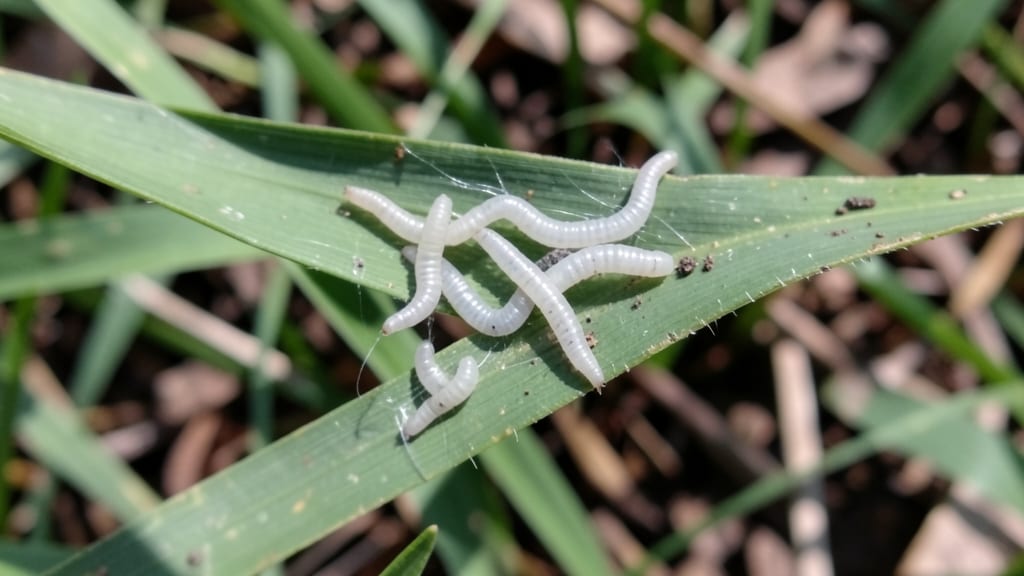
When you spot tiny white worms wriggling in your grass, you’re looking at lawn grubs—and they’re eating your lawn alive. 🌱 I’ve seen firsthand how these sneaky pests turn a lush yard into patchy, brown messes overnight, but there’s a way to stop them fast without harsh chemicals.
The problem starts when grubs chew through grass roots, leaving behind dead patches that look like drought damage. Most people panic and reach for toxic sprays, but the real fix is targeting their lifecycle with smart timing and organic methods.
I’ve used neem oil, milky spore, and even a simple soapy water spray to wipe them out in under a week.
You’ll see results within days if you act now—thicker grass, fewer brown spots, and grubs gone for good. The key is catching them early, before they multiply.
Once you know what to look for and how they behave, these pests become easy to manage without harming your yard or the planet.
This works for both lawns and garden beds, and the same principles apply whether you’re dealing with grubs, cutworms, or fungus gnat larvae. Let’s get your grass back to its best in record time.
Root Causes of Lawn Grubs
Discovering tiny white worms wriggling in your grass can be unsettling, but understanding why they’re there is the first step to reclaiming your lawn. These critters—often the larvae of beetles like Japanese beetles, June bugs, or masked chafers—don’t just appear out of nowhere.
Their presence is usually tied to specific conditions that make your yard an all-you-can-eat buffet. Let’s break down the key reasons these pests invade your grass and thrive.
🌱 Overwatered or Over-Fertilized Grass
Grubs love soft, moist soil—almost like a cozy blanket for their development. When you overwater or over-apply nitrogen-rich fertilizers, you’re essentially creating a grub paradise. Here’s why:
- Excess moisture weakens grass roots, making it easier for beetles to lay eggs in the soil.
- Thatch buildup (a layer of organic debris between soil and grass) traps moisture and nutrients, signaling grubs that the conditions are perfect for hatching.
- Lush, tender grass is easier for grubs to munch through, accelerating their growth and population.
Pro Tip: 💡 Water deeply but infrequently (1–1.5 inches per week) and use slow-release fertilizers to avoid sudden nitrogen spikes.
🐞 Beetle Activity and Egg-Laying Seasons
Grubs start as eggs laid by adult beetles, and timing is everything. Most beetles are nocturnal and emerge in late spring to summer to feed on leaves before laying eggs in the soil. Here’s the life cycle breakdown:
| Stage | When It Happens | What’s Happening |
|---|---|---|
| Adult Beetles | May–July | Feed on foliage at night, then burrow into soil to lay eggs (10–50 eggs per beetle!). |
| Eggs | 1–2 Weeks | Hatch into larvae (grubs) within 7–10 days, depending on soil temperature. |
| Larvae (Grubs) | Summer–Fall | Feed on grass roots for 4–6 weeks, then pupate into beetles for the next cycle. |
Key Insight: If you see grubs in late summer or early fall, it’s likely the result of beetle activity from 2–3 months prior. Monitoring during peak beetle season (May–June) can help you act before grubs become a full-blown problem.
🌡️ Warm Soil and Ideal Hatching Conditions
Grubs are cold-blooded, meaning they’re highly sensitive to temperature. Soil that’s 60–85°F (15–29°C) is their sweet spot for hatching and growing. Here’s how climate plays a role:
- Southern climates with hot summers see grubs year-round, while northern regions may only have outbreaks in late summer.
- Drought followed by rain can trigger mass hatching—dry soil signals beetles to lay eggs, and sudden moisture helps them hatch.
- Mulch or thick thatch insulates soil, keeping it warm and humid, which speeds up grub development.
Pro Tip: 🌡️ If you live in a warm-weather area, apply grub control treatments in early spring (before beetles emerge) or late summer (when grubs are most vulnerable).
🍽️ Weak or Stressed Grass
Healthy grass is resilient, but when it’s thin, damaged, or recovering from stress, grubs have an easier time feasting on roots. Common stressors include:
- Disease or fungus (e.g., brown patch, dollar spot) weakens grass, making roots more accessible.
- Compacted soil from foot traffic or heavy equipment reduces oxygen, starving roots and inviting grubs.
- Recent construction or soil disturbance exposes fresh roots, which grubs target immediately.
Actionable Fix: ✨ Before treating grubs, aerate compacted soil and overseed bare patches to restore grass density. Thicker grass = fewer grub buffets.
Now that you know why these tiny white worms show up, the next step is addressing the problem before they turn your lawn into a grub buffet. Stay tuned for early detection signs and effective elimination methods to save your grass!
How to Eliminate Lawn Grubs Fast
Discovering tiny white worms in grass can feel like a nightmare—especially when they’re devouring your lawn roots. But don’t panic! With the right approach, you can kill grubs quickly and restore your yard’s health.
Below, we break down solutions by cause, so you can tackle the problem at its source. Plus, we’ll share prevention tips to keep grubs away for good.
🔥 Grub-Infested Lawn? Try These Fast Fixes
🍳 Chemical Controls (Quick Knockdown)
If your lawn is already suffering, chemical treatments are the fastest way to eliminate grubs. Look for grub-specific insecticides containing:
- Imidacloprid (systemic, works for weeks)
- Carbaryl (fast-acting, but reapply after rain)
- Chlorantraniliprole (low toxicity, pet-friendly after drying)
How to apply:
- Water the lawn lightly before treatment (helps absorption).
- Follow label instructions—overapplying can harm beneficial insects.
- Reapply every 4–6 weeks during grub season (late spring to early fall).
- Water again 24–48 hours later to activate the pesticide.
⚠️ Pro Tip: Avoid chemicals if you have pets or kids—opt for natural alternatives (below) instead.
👨🍳 Organic & DIY Grub Killers
Prefer a chemical-free approach? These methods work but may take longer (2–4 weeks).
| Method | How to Use | Effectiveness |
|---|---|---|
| Nematodes (Beneficial) | Mix heterorhabditis bacteriophora nematodes with water; apply at dusk. | ⭐⭐⭐⭐ (Best for prevention) |
| Milky Spore Powder | Sprinkle on soil, water in. Takes 2–3 years to fully establish. | ⭐⭐⭐ (Long-term) |
| Neem Oil Spray | Mix with water, spray on grass (reapply weekly). | ⭐⭐ (Mild effect) |
| Beauveria Bassiana | Fungal spray that infects grubs—apply when soil is moist. | ⭐⭐⭐ (Slow but safe) |
💡 Best for: Small infestations or eco-conscious lawn care.
🔪 Physical Removal (For Light Cases)
If grubs are just starting to appear, digging them out can help—especially in small yards.
Steps:
- Water the lawn the night before (softens soil).
- Use a garden fork to flip over small sections of turf.
- Handpick grubs (wear gloves!) and drop them in soapy water.
- Reseed bare spots with grass seed and cover with straw.
✨ Bonus: This also helps you spot eggs (tiny white ovals) before they hatch!
⏰ Prevent Future Grub Problems
The best defense? Stopping grubs before they start. Try these preventive measures:
- 🌡️ Mow High – Keep grass 3–4 inches tall to disrupt egg-laying.
- 🎯 Aerate & Overseed – Thick grass crowds out grubs (they love thin lawns).
- 🚫 Avoid Overwatering – Grubs thrive in soggy soil; water deeply but less often.
- 🐞 Encourage Predators – Birds, toads, and moles eat grubs—leave some "wild" areas.
- 📅 Apply Preventative Treatments – Use imidacloprid granules in May–June (before eggs hatch).
Grubs don’t stand a chance with the right strategy! Whether you choose fast chemicals or gentle organic methods, acting quickly will save your lawn. And with a few preventive tweaks, you can keep your grass lush and grub-free for years.
Frequently asked questions
Are these tiny white worms actually harmful to my lawn?
Yes, they can be devastating! These are typically lawn grubs or cutworms that chew through grass roots, causing brown patches that look like drought damage. A single grub can destroy up to 10 square feet of grass in just a few weeks. The sooner you act, the better—waiting too long lets them multiply exponentially.
How do I tell the difference between grubs and harmless soil organisms?
Grubs are C-shaped larvae with a brown head capsule, while earthworms are longer and segmented. Fungus gnat larvae are slender and translucent, not chunky white. Look for damage: if you see grass pulling up easily or patches dying, it’s likely grubs. Harmless worms won’t cause these symptoms.
Will birds or other animals help control these pests naturally?
Birds like robins and starlings love eating grubs, and moles/skunks dig them up. To attract them, leave some leaf litter or mulch in corners of your yard. However, don’t rely solely on wildlife—grubs reproduce quickly, and predators may not keep up with severe infestations.
Can I use vinegar or dish soap to kill grubs?
Not effectively. Vinegar’s acidity burns grass more than grubs, while dish soap only works if you can physically drown them in soapy water. For real results, use targeted treatments like beneficial nematodes or neem oil. These methods actually penetrate soil to reach grubs without harming your lawn.
How long does it take for grub treatments to work?
Chemical treatments show results in 24–48 hours, but organic methods like nematodes take 2–4 weeks to fully eliminate grubs. For immediate relief, combine a fast-acting spray with long-term prevention. Always reapply according to product instructions during peak grub season (late summer).