
Pests and Diseases
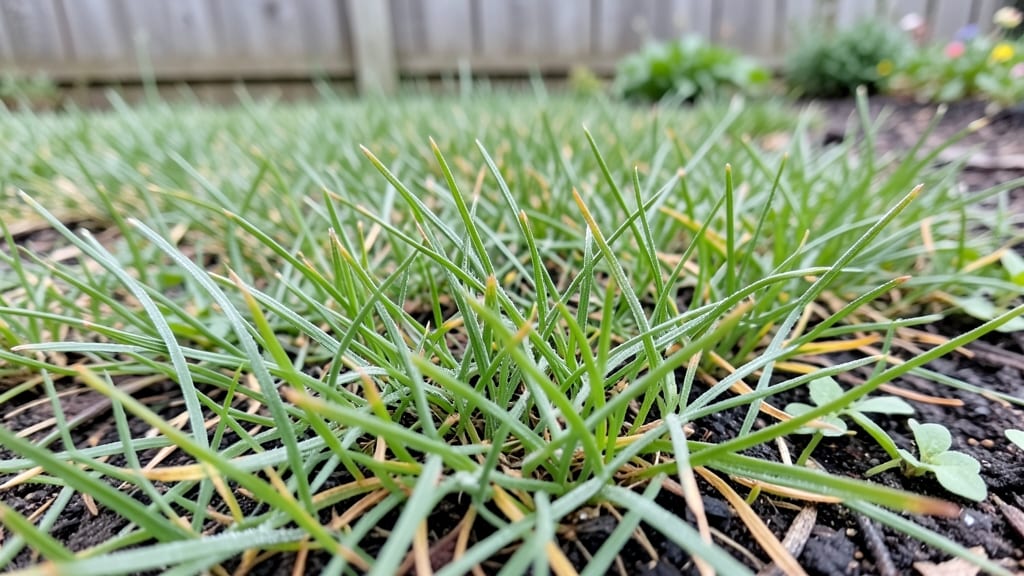
Seeing white spots on your grass isn’t just an eyesore—it’s your lawn’s SOS signal. 🌱 I’ve spent years diagnosing these patches, and the culprits often surprise people: fungal diseases like dollar spot or powdery mildew, hidden grubs feasting underground, or even overwatering that drowns roots.
The good news? Most cases fix with simple adjustments before they spread.
First, rule out the obvious: check watering habits, thatch buildup, and foot traffic patterns. Fungal spots often appear in shady, damp areas, while pests like chinch bugs leave behind irregular patches that worsen in heat.
Grab a small shovel—digging up a 2-inch square reveals whether the problem’s above ground (fungus) or below (grubs).
You’ll restore that vibrant green in no time with targeted fixes: fungicides for mildew, nematodes for grubs, or just adjusting mowing height and watering times. My lawn went from patchy to plush in under 3 weeks after switching to deep, infrequent watering and aerating compacted soil.
The key is acting fast before the spots merge.
Works for both cool-season grasses (like fescue) and warm-season types (like Bermuda). Here’s how to spot the difference between fungal, pest, and environmental causes—and what to do next to save your lawn.
Why it happens
Those mysterious white spots creeping across your lawn aren’t just an eyesore—they’re often a sign of underlying issues. Understanding the root causes helps you tackle the problem before it spreads. Here’s a breakdown of the most common reasons your grass develops these puzzling patches, backed by science and actionable insights.
🍄 Fungal Infections: The Silent Invaders
Fungi are the #1 culprit behind white spots on grass, thriving in moist, shaded, or nutrient-poor conditions. These microscopic organisms release spores that infect grass blades, leading to discoloration, thinning, or even dead patches. Common fungal diseases include:
- Powdery Mildew: Appears as white, powdery coatings on blades, often in circular patterns. It feeds on organic debris and spreads rapidly in humid weather.
- Dollar Spot: Creates small, white, dollar-sized spots with a straw-like texture. It thrives in cool, wet conditions and weakens grass over time.
- Snow Mold: Forms white, cottony growths after winter thaw, smothering grass until it turns brown. It’s especially common in northern climates.
Why it happens: Fungi need three things to spread—moisture, warmth, and organic matter. Overwatering, poor drainage, or thick thatch layers create the perfect breeding ground. Pro tip: ✨ Fungi love shade—thin out tree branches or prune shrubs to improve airflow and sunlight exposure.
🐛 Insect Activity: The Underground Saboteurs
White spots can also signal hidden insect damage, where larvae or adults feed on grass roots or blades. The most notorious pests include:
- Grubs (White Grubs): C-shaped larvae from beetles that chew roots, causing patches to pull up easily. Their castings leave a white, gritty residue.
- Chinch Bugs: Small, black-and-white insects that suck sap from grass, leading to yellowing and white, dead patches. They thrive in dry, sunny conditions.
- Sod Webworms: Moth larvae that create irregular white or brown spots by feeding on grass blades at night.
Why it happens: Insects are drawn to stressed grass—whether from drought, compacted soil, or poor fertilization. Pro tip: 🔥 Check for pests by lifting a small patch of turf; if grubs are present, you’ll see them wriggling in the soil.
💧 Environmental Stress: When Conditions Turn Against Grass
Not all white spots are biological. Environmental factors like water issues, nutrient deficiencies, or physical damage can mimic fungal or insect damage. Key triggers include:
| Cause | How It Looks | Why It Happens |
|---|---|---|
| Overwatering | Soggy, white or grayish patches with a foul odor (root rot). | Excess water suffocates roots, starving grass of oxygen and inviting fungal growth. |
| Underwatering/Drought | Crunchy, white or straw-colored blades that pull up easily. | Grass blades dry out and bleach in the sun, while roots shrink from lack of moisture. |
| Salt or Chemical Burn | White, crispy patches with a sharp border, often near sidewalks or after fertilizer use. | Salt (from de-icing or soil) or over-applied herbicides/pesticides damage cell membranes, causing tissue death. |
| Dog Urine Spots | White, circular patches that turn brown over time. | High nitrogen and acidity in urine burn grass cells, creating temporary bleaching. |
Why it happens: Grass is resilient but has limits—too much or too little water, improper soil pH, or mechanical stress (like foot traffic) weakens its defenses. Pro tip: 🌡️ Test your soil’s pH and moisture levels; ideal lawn pH is 6.0–7.0, and grass should only need 1 inch of water per week.
🌱 Poor Lawn Care Habits: The Slow-Motion Disasters
Even well-intentioned lawn care can backfire, creating conditions that lead to white spots. Common mistakes include:
- Skipping Mowing: Long grass shades the base, trapping moisture and encouraging fungal growth.
- Using the Wrong Fertilizer: Too much nitrogen or synthetic fertilizers can burn grass, while lack of micronutrients (like iron or zinc) causes chlorosis (yellowing with white tips).
- Ignoring Thatch Buildup: A thatch layer thicker than ½ inch blocks water and air, stressing roots and inviting pests.
- Planting the Wrong Grass Type: Cool-season grasses (like Kentucky bluegrass) in hot climates or vice versa struggle to adapt, leading to stress-related discoloration.
Why it happens: Grass is a living ecosystem—neglect disrupts its balance. Pro tip: 🎯 Mow high (3–4 inches) in summer to shade roots and reduce water loss; adjust fertilizer based on your grass type’s needs.
How to solve it
White spots on your grass can feel like a mystery, but the good news is that most causes have straightforward fixes—once you know what you’re dealing with.
Below, we’ve mapped the most common culprits to their solutions, so you can restore your lawn’s lush green glory without stress. Pro tip: Always test a small area first if using chemicals to avoid over-treatment!
🍄 Fungal Infections (Dollar Spot, Snow Mold, Powdery Mildew)
If you’ve spotted fuzzy white or gray patches (especially in damp or shaded areas), fungi are likely the troublemakers. Here’s how to tackle them:
- 🔥 Improve airflow: Thin out dense grass with a rake or mower to let sunlight and air circulate. Aim for a height of 2.5–3.5 inches for most grass types.
- 💧 Reduce moisture: Water deeply but less frequently—early morning is best. Avoid evening watering to prevent fungal growth overnight.
- 🧴 Apply fungicide: Use a copper-based fungicide or a product with propiconazole (follow label rates). Reapply every 3–4 weeks if needed.
- 🌡️ Boost soil health: Spread 1–2 pounds of nitrogen fertilizer per 1,000 sq. ft. to strengthen grass resilience.
Prevention: Aerate your lawn in fall or spring to prevent thatch buildup, which fungi love. Over-seed bare spots with disease-resistant grass varieties like tall fescue or perennial ryegrass.
🐛 Grubs or Insect Damage
If white patches lift easily (like a carpet!) and you see creamy grubs when digging, Japanese beetles or other grubs are munching on roots. Act fast:
- 🔪 Treat the soil: Apply a grub-specific insecticide (like imidacloprid) in early summer or fall. Water lightly after application.
- 👨🍳 Encourage predators: Attract birds (like robins) or beneficial nematodes to your yard—they’ll feast on grubs naturally.
- 🌱 Reseed damaged areas: Once the lawn recovers, spread fresh seed and top-dress with compost to help roots establish.
Prevention: Avoid overwatering (grubs thrive in soggy soil) and apply milky spore powder annually to deter future infestations.
💦 Salt or Chemical Burn
White rings or patches near driveways, sidewalks, or after herbicide use? Salt or chemicals are likely the culprits. Here’s how to revive your grass:
- 💧 Flush the area: Water heavily for 10–15 minutes to dilute salt residues. Repeat daily for 3–4 days.
- 🌱 Over-seed: Spread new grass seed and cover lightly with straw. Keep moist until germination (7–14 days).
- 📊 Test soil pH: If the burn was from de-icing salt, test your soil. If pH drops below 6.0, add lime to restore balance.
Prevention: Use calcium chloride instead of rock salt for de-icing, and water lawns before applying pre-emergent herbicides to dilute chemicals.
🌞 Environmental Stress (Drought, Heat, or Shade)
If white spots appear in hot, sunny patches or shady corners, your grass is crying out for better conditions. Try these fixes:
- 💧 Adjust watering: Water deeply 2–3 times per week (1–1.5 inches total) instead of daily shallow sessions. Use a soaker hose for efficiency.
- ✂️ Mow high: Set your mower to 3–4 inches to shade soil and retain moisture. Avoid cutting more than ⅓ of the blade at once.
- 🌿 Add shade-tolerant grass: For low-light areas, switch to fine fescue or St. Augustine grass, which handle shade better.
Prevention: Mulch around trees to protect grass roots, and consider sprinkler timers to automate watering during heatwaves.
🌱 General Lawn Recovery Tips
No matter the cause, these steps will help your lawn bounce back faster:
- 🔄 Aerate annually: Rent a core aerator to pull out soil plugs (1–2 times per year). This lets nutrients and water penetrate deep.
- 🍃 Fertilize smartly: Use a slow-release fertilizer in early fall to strengthen roots before winter.
- 🌡️ Monitor weather: Fungal diseases spike after heavy rain or humidity. Keep an eye on forecasts and treat preemptively.
- 🎯 Patch test: Before treating large areas, test a 1-foot square with fungicide or seed to gauge effectiveness.
With the right approach, your lawn can go from white spots to vibrant green in just a few weeks. The key? Act quickly, identify the root cause, and give your grass the care it needs.
Frequently asked questions about white spots on grass
Why do white spots appear in my lawn after heavy rain?
Heavy rain creates ideal conditions for fungal growth like dollar spot or powdery mildew. The excess moisture suffocates grass roots and encourages spores to spread rapidly. To prevent this, water deeply but less frequently (early morning is best) and improve drainage by aerating compacted soil.
Can dog urine cause permanent white patches?
Dog urine spots are usually temporary—grass recovers once the nitrogen burns wear off. For stubborn patches, dilute the area with water and overseed with shade-tolerant grass like fine fescue. Train pets to use specific areas or water the lawn after they go.
How do I tell if white spots are from grubs vs. fungus?
Grub damage lifts easily (like a carpet) and often has a white, gritty residue when you dig. Fungal spots feel spongy or fuzzy and may have straw-like texture. Test by lifting a small patch—if you see creamy grubs, you’ve got an insect problem.
Will mowing higher help prevent white spots?
Keeping grass at 3–4 inches shades soil, retains moisture, and reduces fungal spores. Never cut more than ⅓ of the blade height at once. This simple habit strengthens grass resilience against stress and disease.
Are there organic ways to treat fungal white spots?
Yes! Mix 1 cup baking soda + 1 gallon water in a spray bottle and apply to affected areas (test a small patch first). For prevention, spread compost or use neem oil spray (1 tbsp per gallon of water) every 2 weeks during humid seasons.