
Pests
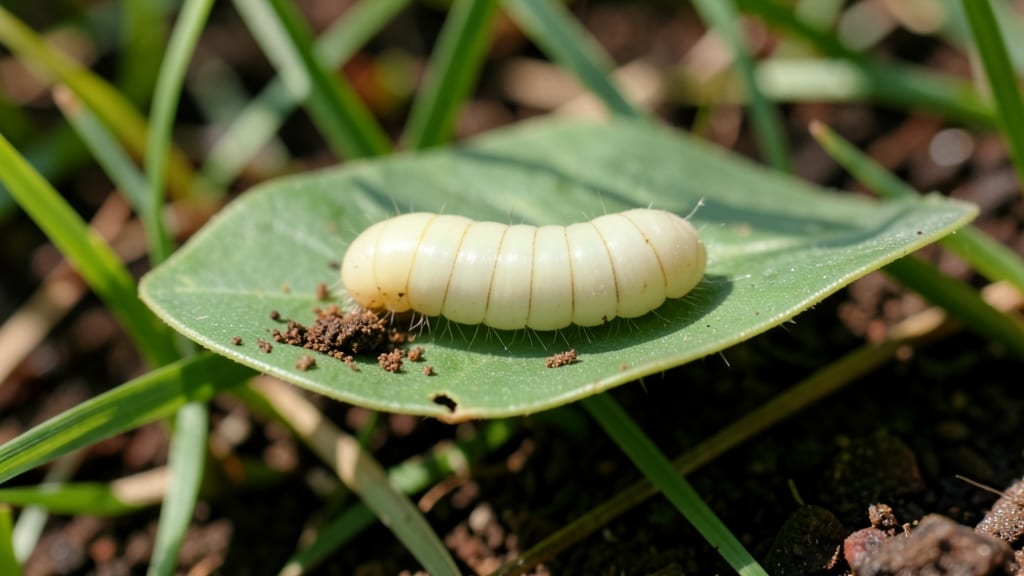
Grub worms in grass turn lush lawns into patchy brown battlegrounds faster than you can say "late summer." I’ve seen healthy lawns go from green to skeletal in weeks when these white, C-shaped critters chew through roots like it’s a buffet.
The key to stopping them? Targeted baiting that works within 2-4 weeks—not the slow, hit-or-miss methods that leave your yard struggling for months.
The problem starts when Japanese beetle grubs hatch in summer, munching on grass roots until the lawn pulls up like carpet. Most people wait too long, thinking it’s drought or disease.
But the damage is unmistakable: irregular brown patches that don’t recover after watering, even when the rest of the lawn stays green. The good news? Baiting with milky spore or targeted insecticides—applied at the right time—can turn things around before winter sets in.
You’ll see results fast: within 10-14 days, the grubs will stop feeding, and new grass growth will fill in the patches. The trick is acting before the lawn becomes too stressed.
Combine baiting with core aeration to help roots recover, and you’ll have a lawn that bounces back stronger than ever. No more guessing—just science-backed speed.
Works for both chemical and organic approaches, but timing is everything. Early fall or late summer is your window. Let’s get those grubs gone before they ruin another season.
Why it happens
Grub worms—those sneaky, white, C-shaped larvae of beetles—can turn your lush green lawn into a patchwork of brown, spongy mess in no time. But why do they suddenly become a problem? It’s not just bad luck; these pests thrive when specific conditions align.
Understanding the root causes helps you act fast and protect your turf before damage spreads. Let’s break down the science behind their invasion.
🌱 Overwatered or Over-Fertilized Grass
Grubs love a soft, moist environment—and nothing makes grass softer than excessive watering or over-fertilizing, especially with nitrogen. Here’s why:
- Weakened Roots: Too much water or fertilizer weakens grass roots, making them easier for grubs to chew through. Healthy roots naturally resist pests.
- Microclimate Perfection: Overwatered soil stays damp longer, creating the ideal humidity and temperature (60–80°F) for grub survival and reproduction.
- Attracts Beetles: Lush, nitrogen-rich grass signals to adult Japanese beetles (a top grub producer) that it’s a prime spot to lay eggs.
Pro Tip: 💡 Test your soil’s moisture before watering—aim for 1 inch per week (including rain) and follow fertilizer guidelines (never exceed recommended rates).
🐞 Adult Beetle Activity Peaks
Grubs don’t appear out of nowhere—they’re the offspring of beetles, and their arrival is highly seasonal. The two biggest culprits are:
- Japanese Beetles: These metallic-green invaders emerge in late June to August, feast on foliage, and lay eggs in soil. Eggs hatch in 10–14 days into grubs.
- June Beetles: Less aggressive but still damaging, they lay eggs in late summer, with larvae maturing over 10–12 months.
If you’ve noticed skeletonized leaves (chewed plants) or beetles swarming your lawn, grubs are coming. Timing is critical—treat soil in late July to early August to catch Japanese beetle eggs before they hatch.
🌡️ Warm, Compacted Soil
Grubs prefer warm, loose soil near the surface (top 2 inches), where they can feed on roots without drying out. But if your lawn has:
- Compacted Soil: Heavy foot traffic, machinery, or clay soil crushes roots and traps heat, making it harder for grass to recover from grub damage.
- Thatch Buildup: A thick thatch layer (over ½ inch) insulates soil, keeping it warmer and more hospitable for grubs year-round.
- Poor Drainage: Waterlogged or slow-draining areas create perfect breeding grounds because grubs can’t escape drought stress.
Fix It: 🔥 Aerate your lawn in early fall to relieve compaction, and dethatch if needed. This disrupts grub habitats and encourages deeper root growth.
🌾 Weak or Stressed Turf
Healthy grass resists grub damage—but when it’s stressed, grubs move in like vultures. Common stressors include:
- Drought: Underwatered grass weakens, making roots easier targets for grubs.
- Disease or Fungus: Fungal infections (like brown patch) create soft, decaying patches that grubs adore.
- Improper Mowing: Cutting grass too short (below 2.5 inches) exposes roots and stresses the plant.
- Soil pH Imbalance: Grubs thrive in slightly acidic soil (pH 6.0–7.0). If your lawn is too alkaline or acidic, it may not support resilient grass.
Action Step: 🌡️ Boost lawn health with proper mowing (3–4 inches), regular watering, and soil testing to address pH or nutrient deficiencies.
🎯 Past Infestations Go Unchecked
Grubs don’t just appear—they reproduce rapidly. If you’ve had grub issues before but didn’t treat the soil, the cycle repeats:
- Surviving Grubs: Some grubs overwinter in soil and re-emerge as adults the next season, laying more eggs.
- Beetle Migration: Adults can fly up to 5 miles to find new lawns, spreading infestations.
- Larval Longevity: June beetle grubs can live up to 2 years in soil, meaning damage builds over time.
Break the Cycle: ✨ Inspect lawns annually in late summer for grubs (use a shovel test: lift a patch of sod—if grubs are present, act fast). Rotate treatments if needed to prevent resistance.
Practical Fixes for Grub Worms in Lawns
Grub worms may seem like a daunting lawn problem, but with the right approach, you can reclaim your grass in no time. Below are targeted solutions tailored to the root causes of infestations—from chemical treatments to organic methods—along with prevention tips to keep your lawn grub-free long-term.
🔥 Chemical Treatments: Fast & Effective
If your lawn is already heavily damaged, insecticides can provide quick relief. Look for imidacloprid, chlorantraniliprole, or trichlorfon-based products, which are highly effective against grub worms.
🍳 Step-by-Step Application
- Choose the Right Time – Apply treatments in late summer or early fall when grubs are young and most vulnerable.
- Use Granular or Liquid Formulas – Granular insecticides (like Merit or GrubEx) are easy to spread with a spreader, while liquid concentrates (like Bayer Advanced Grub Killer) can be applied with a hose-end sprayer.
- Follow Label Instructions – Apply at the correct rate (usually 5–10 lbs per 1,000 sq ft) and water lightly afterward to activate the treatment.
- Reapply if Needed – Some products require two applications, 4–6 weeks apart, for full control.
⚠️ Safety Note: Avoid treating lawns where children or pets play until the product has fully absorbed (usually 24–48 hours).
🌱 Organic & Natural Solutions
If you prefer chemical-free options, try these eco-friendly methods:
👨🍳 Beneficial Nematodes (Heterorhabditis bacteriophora)
- How it works: Microscopic worms that paralyze and kill grubs naturally.
- How to apply:
- Purchase nematodes online or from garden centers.
- Mix with water and apply in the evening (they die in direct sunlight).
- Water lightly afterward to help them move into the soil.
🥘 Milky Spore (Bacillus popilliae)
- How it works: A long-term biological control that thrives in soil and kills Japanese beetle grubs (a common grub source).
- How to apply:
- Spread milky spore powder in early fall or spring.
- Works best in warm climates and may take 1–2 years for full effectiveness.
🔪 Encourage Natural Predators
- Birds, toads, and moles love eating grubs! Leave some bare patches in your lawn to attract them.
- Ladybugs and ground beetles also help—plant native flowers to support their populations.
🌡️ Prevention: Stop Grubs Before They Start
The best defense is a strong, healthy lawn that grubs avoid. Here’s how:
💡 Maintain Proper Lawn Care
- Mow high (3–4 inches) – Taller grass shades out weeds and retains moisture.
- Aerate & Overseed – Thick grass chokes out grubs by removing their food source.
- Water deeply but infrequently – Grubs thrive in overwatered, soggy soil; water 1–1.5 inches per week.
🎯 Apply Preventative Treatments
- Neem oil or horticultural oil (early season) can deter egg-laying adult beetles.
- Grub-resistant grass varieties (like tall fescue or Kentucky bluegrass) are less appealing to pests.
✨ Seasonal Checkups
- Inspect your lawn in early fall (when grubs are most active).
- Look for "soda-pop" sounds when stepping on grass—a sign of grubs beneath.
- Treat at the first sign of damage to prevent a full-blown infestation.
⏰ When to Call a Pro
If your lawn is severely damaged (large dead patches, excessive mole activity), consider hiring a pest control specialist. They can assess the infestation and apply professional-grade treatments for guaranteed results.
Final Tip: Consistency is key! Combine one-time treatments with ongoing prevention for a grub-free lawn year after year. 🚀
Frequently asked questions
How do I know if my grass damage is from grubs instead of drought or disease?
Look for irregular brown patches that pull up easily like sod when lifted. Grub damage often has a sponge-like feel, and you might hear a soda-pop sound when stepping on it. Unlike drought, these patches won’t recover after watering, and you’ll often see birds pecking at the lawn (they love grubs!).
Can I use coffee grounds to repel grubs naturally?
Coffee grounds can help short-term by slightly altering soil pH, but they’re not a reliable grub repellent. For better results, use beneficial nematodes or milky spore—these target grubs directly. Coffee grounds work best as a mulch for plants (not lawns) to improve soil health.
Why do grubs seem to disappear after treatment but come back the next year?
Grubs often return because adult beetles fly in from neighboring yards and lay new eggs. To break the cycle, treat in late summer/early fall (when eggs hatch) and use preventative methods like milky spore or nematodes. Rotate treatments yearly to avoid resistance.
Is it safe to use chemical grub treatments around pets?
Most chemical treatments (like imidacloprid) are toxic to pets for 24–48 hours after application. Keep pets off treated lawns until the product absorbs, and avoid areas where they dig or play. For pet-friendly options, use beneficial nematodes or milky spore instead.
How long does it take to see results after applying grub control?
Most chemical treatments show results in 10–14 days, while organic methods (like nematodes) take 2–4 weeks. If you don’t see improvement after 4 weeks, reapply or switch methods. Early fall is the best time to act—grubs are most vulnerable then.