
Pests
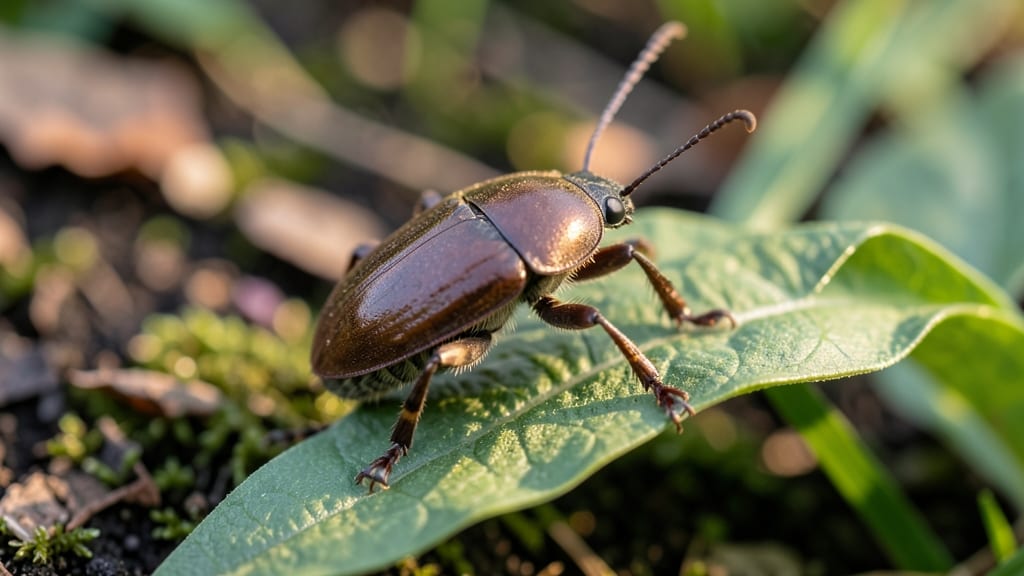
Boiling water spot treatment is the secret weapon I use when grub beetles turn my lawn into a patchwork of brown death. 🌱 The moment I see those telltale patches or birds pecking at the soil, I grab my kettle and a long stick—no chemicals, no waiting, just instant results.
This method works because grubs can't survive sudden heat, and it's safe for pets and kids once the lawn dries. The trick is precision: pour boiling water directly onto the affected areas where grubs are active, usually 3-4 inches deep in the soil.
You'll see them surface within minutes, and birds will clean up the rest. It's not a long-term fix, but it buys you time to implement a real solution like nematodes or proper lawn care. What you'll end up with is a lawn that stops declining while you work on prevention.
The grubs die instantly, the brown patches fade, and you avoid the mess of chemical treatments. Plus, it's a satisfyingly immediate fix for a problem that feels hopeless otherwise. This method works best in late summer to early fall, when grubs are most active but before they pupate.
For severe infestations, repeat weekly until you see improvement. Combine it with proper watering and mowing for long-term grub control.
The Hidden Triggers Behind Grubs
Grubs—those C-shaped larvae of beetles—don’t just appear out of nowhere. Their presence in your lawn is usually the result of specific conditions that make your yard an all-you-can-eat buffet for hungry beetles and their offspring.
Understanding these triggers is the first step to stopping an infestation before it wreaks havoc on your grass. Here’s why grubs show up and how to recognize the red flags.
Grubs thrive in moist, nutrient-rich soil—almost like a five-star resort for larvae. When your lawn gets too much water (especially shallow, frequent watering) or excessive nitrogen fertilizer, you’re essentially signaling to beetles: "This is the perfect place to lay eggs!"
- Why it happens: Overwatering keeps the top layer of soil damp, creating an ideal environment for eggs to hatch and grubs to feed. Nitrogen-heavy fertilizers (like fast-release options) boost grass growth, but they also supercharge the food supply for grubs.
- Actionable sign: If your lawn feels soggy after watering or you’re applying fertilizer more often than recommended (every 4–6 weeks max), you’re likely creating a grub magnet.
- Pro tip: 💡 Switch to deep, infrequent watering (1–1.5 inches per week) and use slow-release fertilizers to avoid feeding both your grass and the pests.
Grubs prefer lawns where they can hide and feed without competition. If your grass is thin, weak, or choked with thatch, beetles will target it like a buffet line. Healthy, dense grass naturally resists infestations because grubs struggle to reach the roots.
- Why it happens:
- Thatch buildup (a layer of dead grass and roots) traps moisture and organic matter, creating a cozy nursery for grubs.
- Weak grass (from drought, disease, or poor soil) has shallow roots, making it easier for grubs to devour them.
- Monoculture lawns (single grass species) offer no natural resistance, unlike diverse, native grasses.
- Actionable sign: Look for patches of brown, spongy grass that pulls up easily (like a carpet) when you tug it—this is a classic grub damage symptom.
- Pro tip: ✨ Aerate your lawn annually to reduce thatch and improve root health. Overseed with drought-resistant grass varieties (like tall fescue or Kentucky bluegrass) to deter beetles.
Grubs don’t appear overnight—they’re the result of adult beetle activity, which follows a predictable (and preventable) cycle. Most lawn-damaging grubs come from Japanese beetles, June bugs, or European chafer beetles, and their life stages align with seasonal changes.
| Season | Beetle Behavior | Grub Risk Level | What You Can Do |
|---|---|---|---|
| Late Spring/Early Summer (May–June) | Adult beetles emerge, feed on leaves, then lay eggs in soil. | 🟡 Moderate (eggs hatch in 7–14 days) | 🔥 Monitor for beetles on foliage (especially roses, grapes, or linden trees). Use traps sparingly—over-trapping can attract more beetles. |
| Summer (July–August) | Grubs hatch and feed aggressively on roots. | 🔴 High (peak damage occurs) | 👨🍳 Apply grub control (like nematodes or milky spore) before eggs hatch. Boil water spot treatment can kill existing grubs now. |
| Fall (September–October) | Grubs mature and pupate underground; adult beetles prepare to overwinter. | 🟡 Moderate (late-season damage possible) | ⏰ Aerate and overseed to recover damaged areas. Reduce evening watering to deter adult beetles from returning. |
Key takeaway: If you see skeletonized leaves (chewed by adult beetles) in late spring, grubs are coming soon. Act before you spot brown patches!
Grubs don’t discriminate—they’ll invade your manicured lawn if nearby wild grasses, gardens, or forests provide a beetle-friendly habitat. These areas often host alternative food sources (like clover, weeds, or tree leaves), which attract adult beetles that later migrate to your lawn to lay eggs.
- Why it happens:
- Wild areas offer natural beetle breeding grounds with minimal pesticide interference.
- Gardens with flowering plants (like roses or grapes) lure adult beetles, which then fly to your lawn to reproduce.
- Poor drainage near wooded edges creates wet spots where grubs thrive.
- Actionable sign: If your lawn is adjacent to untreated wild grass, compost piles, or flowering shrubs, you’re at higher risk.
- Pro tip: 🌡️ Create a 3-foot barrier of gravel or mulch between your lawn and wild areas to deter beetles. Prune overhanging branches to reduce beetle access.
By addressing these triggers—watering habits, lawn health, seasonal beetle cycles, and property borders—you can break the grub lifecycle before it starts. The good news? Once you spot the warning signs, boiling water spot treatment can provide instant relief while you work on long-term prevention.
Quick Fixes for Grub Damage
Discovering white grubs munching on your lawn can feel like a nightmare, but don’t panic—there are effective ways to tackle the problem, whether you’re dealing with an active infestation or just want to prevent future damage.
Below, we’ve mapped out practical solutions based on the root cause of your grub trouble, from immediate fixes to long-term strategies. Let’s get your lawn back to its lush best!
If you’ve spotted thinning grass patches, sod lifting, or birds pecking at your lawn, you’re likely dealing with a grub invasion. The key here is speed—grubs multiply quickly, so early intervention is critical. #### ✅ Step 1: Confirm the Problem Before jumping into treatments, verify that grubs are the culprit: - Dig a small patch (about 2x2 inches) of your lawn and flip over the sod. - Look for white, C-shaped larvae (grubs) feeding on roots. - If you find 5+ grubs per square foot, it’s time to act. #### 🍳 Boiling Water Spot Treatment (Instant Grub Removal) For a fast, chemical-free fix, boiling water can kill grubs on contact—especially effective for small, localized infestations. - Boil 1 gallon of water and let it cool slightly (but stay hot). - Pour it directly onto the affected areas where grubs are concentrated. - Repeat every 3–5 days for 2–3 weeks to ensure all grubs are eliminated. - Water the lawn lightly afterward to help roots recover. > 💡 Pro Tip: This method works best in small yards or high-traffic areas where grubs are clustered. For larger lawns, combine it with other treatments for better results. If your lawn is heavily infested (think large patches of dead grass or squirrels digging up turf), chemical treatments may be necessary. Here’s how to use them safely and effectively: #### ✅ Step 1: Choose the Right Treatment - Granular Insecticides (e.g., Imidacloprid, Chlorantraniliprole): Apply these early in the season (spring or early summer) before grubs hatch. Water the lawn lightly after application to activate the granules. - Liquid Sprays (e.g., Bifenthrin, Carbaryl): Best for targeted treatment—spray directly on affected areas, especially where you’ve confirmed grub activity. - Nematodes (Beneficial Microbes): A natural, long-term solution. Apply Heterorhabditis bacteriophora nematodes in the late evening when soil is moist. They seek out and kill grubs without harming plants or pets. #### 🔪 Application Tips for Success - Follow label instructions—overapplying chemicals can harm beneficial insects or pollute water sources. - Water before and after (unless using a systemic granular) to help the treatment penetrate the soil. - Reapply every 4–6 weeks if grubs persist, especially in hot, humid climates where they thrive. > ✨ Eco-Friendly Swap: If you prefer non-toxic options, milky spore powder (a natural bacteria) can be spread over the lawn in late summer to prevent future grub outbreaks. The best way to handle grubs? Stop them before they start. Implement these preventive measures to create an unwelcoming environment for beetles and their larvae. #### 🌡️ Soil & Lawn Care Adjustments - Aerate your lawn in early fall to disrupt grub habitats and improve root health. - Mow high (3–4 inches) to shade the soil and deter beetles from laying eggs. - Reduce thatch—thick thatch layers provide perfect hiding spots for grubs. Dethatch in late summer or early fall. - Water deeply but infrequently—grubs thrive in overly moist soil. Aim for 1 inch of water per week (including rain). #### 🎯 Natural Deterrents & Companion Planting - Encourage predators: Birds, toads, and ground beetles love eating grubs. Install a birdbath or toad house to attract them. - Plant grub-resistant grasses like tall fescue, Kentucky bluegrass, or ryegrass—they’re less appealing to beetles. - Use diatomaceous earth (food-grade) as a light dusting around your lawn’s perimeter. It dehydrates grubs on contact (reapply after rain). #### 📊 Seasonal Maintenance Schedule | Season | Task | Why It Works | |-------------|-----------------------------------|------------------------------------------| | Spring | Apply preventative granules | Targets adult beetles before they lay eggs. | | Summer | Monitor for grubs (dig test) | Catch infestations early. | | Fall | Aerate + overseed | Strengthens grass to outcompete grubs. | | Winter | Leave leaf litter in small piles | Attracts predator insects over winter. | If your lawn is severely damaged (large dead patches, multiple grub hotspots), or if DIY methods aren’t working, it’s time to bring in the experts. Pest control professionals can: - Identify the exact species of grub (some require different treatments). - Apply targeted, high-strength treatments with precision. - Provide a customized plan for your lawn’s specific needs. > 💡 Quick Check: If you’re seeing more than 10 grubs per square foot in multiple areas, professional help will save you time and frustration.Frequently asked questions
How can I tell if my lawn has grub beetle larvae?
Look for thin, spongy patches of grass that pull up easily like a carpet when tugged. Flip over the sod to check for white, C-shaped larvae (grubs) feeding on roots. If you find 5+ grubs per square foot, it confirms an infestation.
Is boiling water safe for my lawn after treatment?
Yes, but give the treated areas 24 hours to dry completely before mowing or walking on them. The hot water kills grubs instantly, but the grass roots may need time to recover. Light watering afterward helps restore moisture without stressing the lawn.
When is the best time to treat for grub beetles?
Target treatments in late summer to early fall when grubs are most active but before they pupate. For preventive measures, apply nematodes or granules in spring to stop adult beetles from laying eggs.
Will birds eating grubs help control the problem?
Birds are natural grub predators. Install a birdbath or plant native shrubs to attract them. However, they won’t solve severe infestations—combine their help with treatments like boiling water or nematodes for best results.
Can I use chemical treatments if I have pets?
Only use pet-safe products like milky spore or neem oil-based sprays. Avoid systemic insecticides (like imidacloprid) until pets can’t access treated areas for at least 48 hours. Always check labels for pet safety warnings.