
Lawn
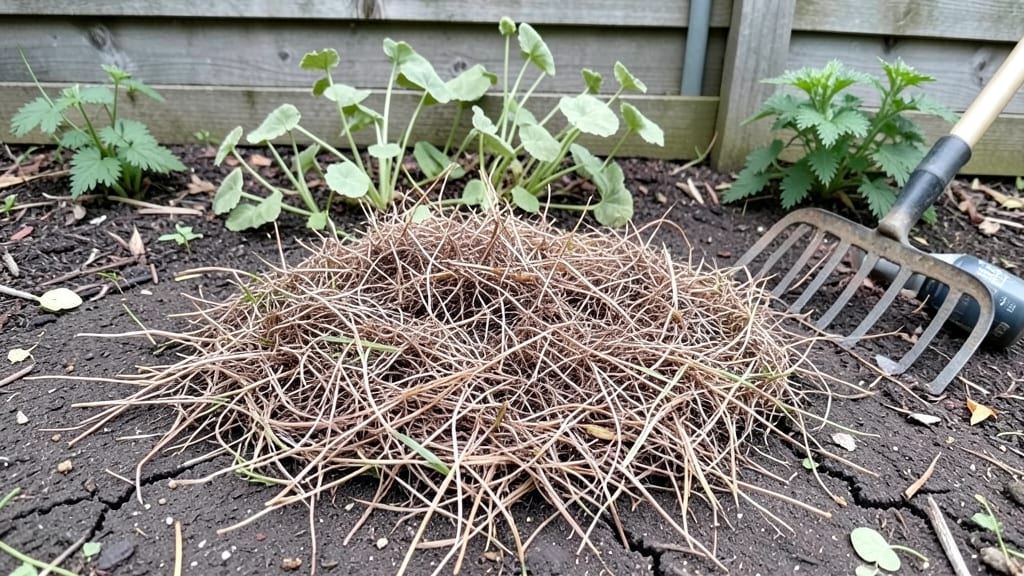
Removing dead grass after Roundup isn’t just about clearing debris—it’s about preparing your lawn for what comes next. The key is timing, tools, and a method that skips the backbreaking rake work while still getting every last bit of dead growth out of sight.
I’ve learned the hard way that rushing this step leads to stubborn patches that won’t reseed properly, so patience here pays off later.
Start by waiting 5-7 days after applying Roundup to let the grass fully dry and crumble—this makes removal effortless. You’ll need a sturdy tarp, a push broom or leaf blower, and a sharp shovel for stubborn spots.
The goal isn’t brute force; it’s working with the dried grass by sweeping it into piles and bundling it for disposal. This method saves your back and keeps the soil undisturbed for reseeding.
What you’ll end up with is a clean slate ready for new grass or ground cover. The soil stays intact, which means better seed-to-soil contact when you’re ready to plant. Plus, you avoid the common mistake of tilling or over-raking, which can bring up weeds or compact the earth.
Think of this as a reset button for your lawn—one that sets you up for a thicker, healthier stand.
This approach works equally well for small patches or entire lawns, and it’s especially useful in Zone 5-8 climates where reseeding timing is critical. Whether you’re prepping for fall overseeding or spring sod, the same principles apply. Let’s make this the last time you dread post-Roundup cleanup.
Why it happens
When you apply glyphosate-based herbicides like Roundup to your lawn, you expect to see results—but sometimes, dead grass lingers for weeks, leaving behind a patchy, unsightly mess. This isn’t just about timing; it’s rooted in biological, chemical, and environmental factors that dictate how effectively the herbicide works (or doesn’t).
Understanding these causes helps you troubleshoot and speed up cleanup. Here’s why dead grass sometimes refuses to budge—and what you can do about it.
🧪 Herbicide Application Errors
Roundup works by disrupting a key enzyme (EPSP synthase) in plants, blocking amino acid production and starving weeds (and grass) to death. But if the herbicide isn’t applied correctly, it won’t penetrate deep enough to kill the entire plant. Here’s what goes wrong:
- Inconsistent coverage: Missed spots or light spraying leave patches alive. Solution: Use a spray wand with a consistent nozzle pattern (e.g., flat-fan) and overlap passes by 20%.
- Dusty or waxy leaf surfaces: Grass blades coated in dust, pollen, or natural waxes repel glyphosate, preventing absorption. Solution: Lightly mist the area with water before applying Roundup to help adhesion.
- Wrong weather conditions: Applying Roundup on windy days or when temperatures exceed 85°F (29°C) can cause drift or evaporation, reducing efficacy. Solution: Choose calm, overcast days with temps between 60–80°F (15–27°C).
🌱 Grass Type and Growth Stage
Not all grass reacts the same way to glyphosate. Some varieties have thicker cuticles or deeper root systems, making them more resistant. Even the grass’s growth phase plays a role:
- Slow-growing or dormant grass: If your lawn is stressed (due to drought, heat, or poor soil), the herbicide may not penetrate fast enough. Solution: Water the lawn 24 hours before applying Roundup to encourage active growth.
- Cool-season vs. warm-season grass:
- Cool-season grasses (e.g., Kentucky bluegrass, fescue) are more sensitive to glyphosate and may die faster.
- Warm-season grasses (e.g., Bermuda, Zoysia) have tougher blades and can take 7–14 days longer to show full effects.
💧 Soil and Moisture Factors
Glyphosate relies on translocation—the movement of the chemical from leaves into roots—to kill the entire plant. But soil conditions can block this process:
- Dry soil: Without moisture, glyphosate can’t move downward to reach roots. Solution: Water the lawn lightly after application (but avoid heavy rain for 4–6 hours).
- Compacted or clay-heavy soil: These soils slow water absorption, delaying herbicide movement. Solution: Aerate compacted areas before applying Roundup to improve penetration.
- Organic mulch or thick thatch: A layer of thatched grass (over ½ inch) can block glyphosate from reaching live tissue. Solution: Dethatch or mow low before treatment.
🐛 Underground Survivors: Roots and Rhizomes
Even if the grass blades turn brown, the roots and rhizomes (horizontal stems) may still be alive, especially in grasses like Bermuda or Kentucky bluegrass. Here’s why:
- Deep root systems: Grasses with taproots or extensive rhizomes store energy reserves that let them regrow. Solution: For stubborn patches, apply Roundup twice, 7–10 days apart to exhaust root reserves.
- Partial die-off: If only the top growth dies but roots survive, new shoots will sprout. Solution: Wait until the grass is completely crispy and brown (usually 7–21 days) before removing debris.
🌡️ Environmental Delays
Temperature, humidity, and even microorganisms in the soil can slow down decomposition. Here’s how:
- Cold or wet conditions: Glyphosate breaks down faster in heat but works slower in cool weather. Below 50°F (10°C), decomposition can take 3+ weeks. Solution: Time treatments for warm, dry spells.
- Fungal or bacterial activity: Dead grass needs decomposers to break it down. If soil microbes are dormant (due to cold or poor nutrition), debris lingers. Solution: Add a light layer of compost after removal to boost microbial activity.
Pro Tip: 🔍 Test your soil’s pH—glyphosate works best in slightly acidic to neutral soil (pH 6.0–7.0). If your soil is alkaline (pH >7.5), the herbicide’s effectiveness drops by up to 30%. Use a soil test kit to adjust with sulfur or lime if needed.
How to solve it
After applying Roundup or another herbicide, you’re left with dead grass that needs to be cleared—without the hassle of raking by hand. The good news? There are effective, low-effort methods to tackle this problem, depending on the cause.
Below, we break down the most common issues and the best ways to address them, plus tips to keep your lawn looking sharp moving forward.
🌱 Cause 1: Patchy Dead Grass (Uneven Kill)
If Roundup left behind uneven patches—some areas dead, others still green—you likely have inconsistent herbicide coverage. Here’s how to fix it:
- 🔥 Step 1: Wait for Full Drying Let the dead grass completely dry out (usually 3–7 days). Wet grass sticks to tools and makes cleanup messy. Test by pulling a small patch—if it resists, wait longer.
- 🍳 Step 2: Use a Lawn Rake (Lightly!) Skip the heavy-duty raking. Instead, use a plastic lawn rake with wide tines to gently loosen the dead grass. Work in small sections to avoid tearing live grass.
- 👨🍳 Step 3: Bag or Blow It Away
- Bagging: Use a heavy-duty lawn bag attached to your rake or mower to collect debris. Empty bags frequently to avoid spills.
- Blowing: A leaf blower (set to low speed) works great for large areas. Direct the airflow upward to lift debris without scattering seeds.
- 🌱 Step 4: Overseed Bare Spots Once cleared, fill gaps with grass seed and a thin layer of topsoil. Water lightly daily for 2 weeks to encourage new growth.
💀 Cause 2: Thick Mats of Dead Grass (Matted Lawn)
When Roundup kills grass in dense clumps, the dead material can smother soil and prevent new growth. Here’s how to break it up:
- ⏰ Step 1: Let It Bake in the Sun Leave the dead grass in place for 2–3 days under direct sunlight. This dries it out and makes it crispy and brittle, easier to remove.
- 🔪 Step 2: Dethatch or Scarify Rent a dethatching machine (or use a lawn scarifier) to tear up the mat. Set blades to a low height to avoid damaging soil. Work in overlapping passes for even removal.
- 🌡️ Step 3: Cool Down the Soil After removing debris, water deeply to settle the soil. This prevents erosion and helps seeds (if you’re planting) make contact with the ground.
🌡️ Cause 3: Stubborn Roots or Stubble
Some grasses (like Bermuda or St. Augustine) leave behind tough roots or short stubble that won’t budge with raking. Try these tricks:
- ✨ Step 1: Vinegar or Boiling Water Trick For small areas, spray undiluted white vinegar or pour boiling water over stubborn roots. This breaks them down chemically in 1–2 hours. ⚠️ Warning: Avoid live grass!
- 💡 Step 2: Power Rake or String Trimmer Use a power rake (set to high speed) or a string trimmer to shred remaining stubble. This turns it into mulch, which decomposes naturally.
- 🎯 Step 3: Solarize the Soil (For Large Areas) Cover the cleared area with clear plastic sheeting for 4–6 weeks during hot weather. The sun’s heat kills remaining roots and sterilizes the soil for reseeding.
🛡️ Prevention Tips for Next Time
Skip the post-Roundup cleanup headache with these proactive strategies:
- 🌡️ Time It Right: Apply Roundup on a warm, dry day with no rain forecasted for 24–48 hours. This ensures full absorption and even kill.
- 🎯 Use a Spread Sticker: Add a spreader sticker (like X-77) to your Roundup mix. This helps the herbicide stick to leaves and spread evenly, reducing patchy results.
- 💡 Mow Short First: Cut grass to 2–3 inches tall before applying Roundup. This exposes more leaf surface for the herbicide to work.
- 🌱 Plan for Reseeding: If you’re clearing grass to plant new turf, apply Roundup in early spring or fall (when soil temps are ideal for seeding).
- 🚫 Avoid Overlapping Sprays: Don’t reapply Roundup to the same spot within 2 weeks. This can burn the soil and harm future plantings.
Frequently asked questions
How long should I wait before removing dead grass after Roundup?
Wait 5-7 days after application to let the grass fully dry and crumble. Test by pulling a small patch—if it resists, wait another day. Removing too soon leaves stubborn roots behind, while waiting too long makes cleanup harder. This timing works best in 60-80°F (15-27°C) conditions.
Can I use a leaf blower instead of raking to clear dead grass?
A leaf blower is one of the easiest methods for large areas. Set it to low speed and direct airflow upward to lift debris without scattering seeds. For small patches, a push broom works just as well—both save your back compared to traditional raking.
What’s the best way to dispose of dead grass after Roundup?
Bundle the dried grass into tight rolls with twine or use heavy-duty lawn bags for disposal. For composting, break it into smaller pieces first—this speeds up decomposition. If you’re not composting, check local regulations as some areas require special disposal for treated plant material.
Will Roundup kill grass roots completely, or will new shoots grow back?
Roundup targets both above-ground growth and roots, but rhizomatous grasses (like Bermuda or Kentucky bluegrass) may need a second application 7-10 days later to exhaust root reserves. If you see new shoots after clearing, apply Roundup again before reseeding to prevent regrowth.
Can I reseed immediately after removing dead grass?
Wait 24-48 hours after clearing to let the soil settle, especially if you used heavy tools. Prepare the area by lightly raking to create a fine seedbed, then apply a thin layer of topsoil. Water gently daily for 2 weeks to encourage germination—don’t overwater, or seeds may wash away.