
How To
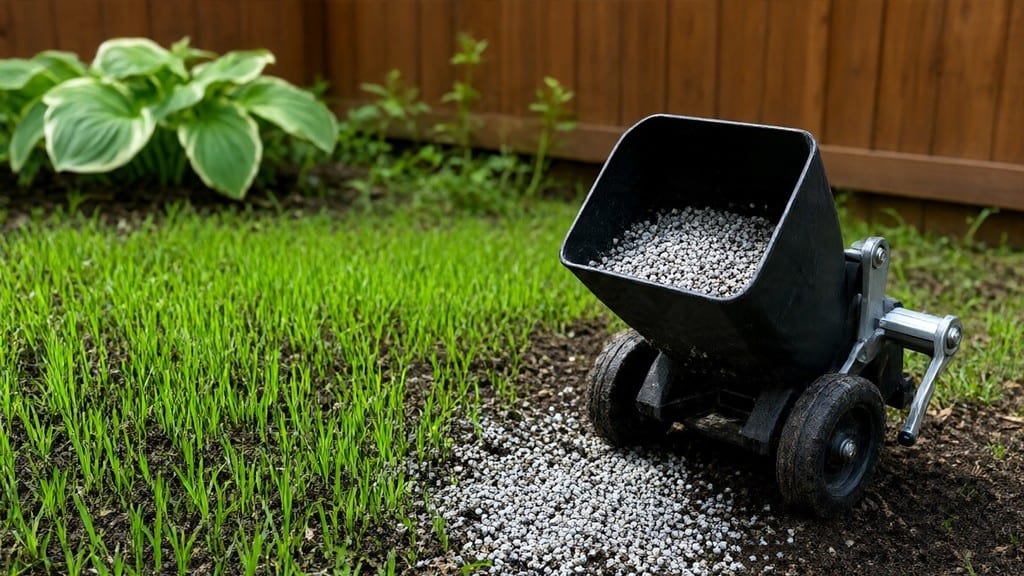
To fertilize new grass, time it carefully by seedling stage: use starter fertilizer at planting (or 3–4 weeks later for cool-season grass), then add a light nitrogen boost 6–8 weeks after germination. Skip heavy feeding in extreme heat or drought, as this can stress young roots. Regional differences matter—spring/fall works for temperate zones, while warm-season grass thrives with fall/winter applications.
Timing matters because young grass roots are fragile—applying fertilizer too early can burn tender shoots, while waiting too long delays growth. 🌱 I’ve seen starter blends with high phosphorus (like 5-10-10 ratios) work best for early root development, while follow-up feeds focus on nitrogen (20-0-5) to green up the lawn.
For example, Bermuda grass in Zone 9 needs fall fertilization to establish before summer dormancy, while Kentucky bluegrass in Zone 5 thrives with spring applications when soil warms to 55°F.
Climate plays a huge role: Southern lawns often use slow-release fertilizers to avoid leaching in heavy rains, while Northern regions may need multiple light applications due to cooler soils.
Always check your grass type’s ideal temperature range—cool-season grasses like fescue grow best between 60–75°F, while warm-season types like Zoysia prefer 80–95°F for optimal nutrient uptake.
💡 In This Article
- Grass Seedling Stages and Fertilizer Timing Guide
- Best Fertilizer Types for New Grass by Climate Zone
Grass seedling stages and fertilizer timing guide
Understanding your grass's growth phases is the key to successful fertilization. The process begins with germination, where seeds absorb moisture and sprout within 7-21 days depending on temperature. During this phase, roots are microscopic and highly sensitive to salt buildup from fertilizers.
That's why starter fertilizers—typically with high phosphorus (P) ratios like 5-10-10—are designed to promote root development without overwhelming the delicate seedlings.
The next critical phase is establishment, occurring 3-6 weeks after germination when grass blades reach about 2-3 inches tall. This is when roots begin branching more aggressively, and soil temperatures typically range between 60-75°F for optimal nutrient uptake.
Here's what's happening beneath the surface: The grass's root zone expands by 1-2 inches per week, creating a network that needs phosphorus for energy transfer and potassium for stress resistance.
Climate zones dramatically alter this timeline. In Northern U.S. regions (Zones 3-6), cool-season grasses like Kentucky bluegrass should receive starter fertilizer at planting, but warm-season types like Bermuda grass in Southern Zones (7-10) often wait until soil temperatures exceed 65°F—typically late spring.
The science behind this involves soil microbes: cooler temperatures slow microbial activity, reducing nitrogen availability, while warmer soils accelerate decomposition, making quick-release fertilizers riskier for young grass.
What most people don't realize is how soil moisture interacts with fertilizer timing. During drought conditions, even starter fertilizers can become concentrated in the root zone, creating a salt burn effect that turns grass yellow within days.
In these cases, water-soluble fertilizers applied with 1/4 inch of irrigation immediately after application help dilute salts. For example, in California's Mediterranean climate (Zone 9), I've seen successful lawns established using half-strength starter solutions during summer planting to prevent stress.
Here's a practical breakdown of the three essential fertilizer applications:
- Starter phase: Apply 0.5-1 lb of nitrogen per 1,000 sq ft (typically 10-20 lbs of 5-10-10 blend) at planting or when seedlings reach 1 inch tall. This kickstarts root development without overfeeding.
- Establishment phase: 6-8 weeks after germination, use a low-nitrogen blend (10-0-10) to encourage deeper rooting before transitioning to growth-focused fertilizers.
- Transition phase: Once grass reaches 3-4 inches and has been mowed 2-3 times, switch to nitrogen-rich fertilizers (20-0-5) to promote top growth.
The most common mistake I see is applying quick-release nitrogen too early. While it greens up grass fast, the rapid growth requires proportionally more water and can lead to thatch buildup in young lawns.
For instance, tall fescue in Zone 5 should never receive more than 0.25 lbs of nitrogen per 1,000 sq ft during its first 12 weeks—any more risks burning the tender crowns.
Remember this rule: When in doubt, wait. Young grass prioritizes root development over top growth, and you can always add fertilizer later—but you can't undo damage from over-fertilizing.
The sweet spot is soil temperatures between 65-75°F with consistent moisture, which creates the perfect environment for those tiny roots to branch out like a 3D network rather than shallow, weak strands. 🌱