
Lawn
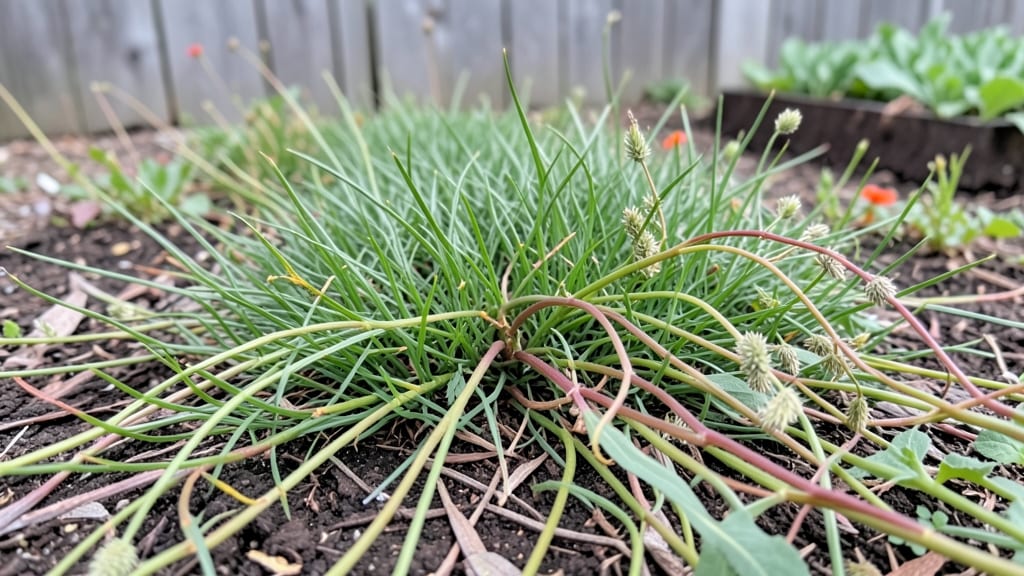
That vine-like weed in the grass creeping through your lawn isn’t just an eyesore—it’s bindweed, a tenacious invader that strangles grass and spreads relentlessly if you don’t act fast. that yanking it by hand just makes it worse.
The roots run deep and spread aggressively, so you need a smarter approach to remove it without tearing up your lawn.
The problem starts with those tiny white or purple flowers that turn into vines by summer, twisting around grass blades and suffocating them. Most people mistake it for morning glory or creeping Charlie, but bindweed’s thick, woody stems and deep roots set it apart.
The good news? With the right tools and timing—late summer or early fall—you can weaken it enough to pull out cleanly, leaving your lawn healthy and weed-free.
By following a targeted removal plan—cutting the vines at ground level, smothering regrowth, or using targeted herbicides—you’ll see those vines shrink back within weeks. The key is persistence; bindweed doesn’t quit easily, but neither should you.
Once it’s gone, your grass will bounce back with thicker, greener growth, and you’ll never mistake those vines for harmless weeds again.
This method works for any yard, whether you’re dealing with a small patch or a full lawn takeover. The secret is patience and precision—no harsh chemicals or brute force needed. Let’s get that vine under control for good.
Why it happens
If you’ve ever spotted a vine-like weed slithering through your grass, you’re not alone. These persistent invaders don’t just appear out of nowhere—they thrive due to specific conditions in your lawn. Understanding why they show up is the first step to stopping them for good.
Let’s break down the science behind their spread and how your lawn might be unknowingly inviting them in.
Vine-like weeds, such as bindweed or morning glory, love disturbed or nutrient-deficient soil. Here’s why:
- Compacted Soil: Heavy foot traffic, machinery, or clay-heavy soil compresses the ground, making it harder for grass roots to access water and nutrients. Weeds like these thrive in these gaps because they can spread horizontally without competing for deep resources.
- Low Organic Matter: Soil lacking compost or organic material struggles to retain moisture and nutrients. Vine-like weeds have deep, resilient roots that can tap into underground water sources, giving them an edge over shallow grass roots.
- Imbalanced pH Levels: If your soil is too acidic (pH below 6.0) or alkaline (pH above 7.5), grass struggles to grow, leaving open space for weeds. A simple soil test can reveal if pH is the culprit.
💡 Pro Tip: Aerate your lawn annually to relieve compaction and mix in 2-3 inches of compost to improve soil structure. Aim for a pH of 6.0–7.0 for optimal grass health.
###
💦 2. Overwatering or Irrigation Inefficiencies
Watering habits play a bigger role than you might think. Vine-like weeds often flourish because:
- Excess Moisture: These weeds love damp conditions. Overwatering—especially if done infrequently but heavily—creates a soggy environment where their roots can spread unchecked. Grass, on the other hand, prefers deep but infrequent watering to encourage deep root growth.
- Poor Drainage: Low-lying areas or clay soil that holds water for days create ideal breeding grounds. Weeds like bindweed can survive droughts but thrive in standing water, unlike most grasses.
- Irrigation Mistakes: Sprinklers that wet leaves (instead of soil) or run at night can promote fungal growth, weakening grass and leaving it vulnerable to weed invasion.
🔥 Actionable Fix: Water early in the morning (4–8 AM) to reduce evaporation and fungal risks. Use a soaker hose or drip irrigation to target the soil directly, and adjust your schedule for 1–1.5 inches of water per week (including rain).
###
🌿 3. Lawn Thinning Due to Stress or Neglect
Grass that’s stressed or sparse leaves gaps for weeds to exploit. Common stressors include:
- Lack of Fertilization: Grass needs nitrogen, phosphorus, and potassium to outcompete weeds. If your lawn looks pale or patchy, it’s likely nutrient-deficient, giving vine-like weeds an opening to spread.
- Improper Mowing Height: Cutting grass too short (below 2–3 inches) weakens roots and exposes soil to sunlight, encouraging weed seeds to germinate. Taller grass shades the soil, inhibiting weed growth.
- Disease or Pest Damage: Fungal infections (like brown patch) or grubs munching on roots create bare spots. Weeds like morning glory seize these opportunities to take root.
- Shade or Sun Imbalance: Areas under trees or in full shade may have weak grass growth, while sunny patches can dry out grass, both scenarios favoring weeds.
🌡️ Quick Check: Run your hand over your lawn—if you feel bare soil or sparse grass in more than 10% of the area, it’s time to intervene with seeding, fertilizing, or adjusting mowing heights.
###
🌍 4. Seed Spread from External Sources
Vine-like weeds don’t always grow from existing roots—they hitchhike into your lawn via:
- Wind or Animal Activity: Lightweight seeds (like morning glory) travel on breezes, while birds or wildlife may carry them from neighboring properties or wild areas.
- Contaminated Soil or Mulch: Topsoil, compost, or mulch from garden centers can harbor weed seeds. Even "weed-free" bags might contain dormant seeds.
- Lawn Equipment: Mowers, rakes, and trimmers can unintentionally spread weed fragments or seeds from infested areas to clean patches.
- Water Runoff: Stormwater or irrigation can carry seeds from sidewalks, driveways, or nearby wild areas into your lawn.
✨ Prevention Tip: Inspect new soil or mulch for weed seeds before spreading it, and clean equipment with bleach or vinegar after use in infested areas. Avoid over-watering nearby flower beds or gardens where weeds might thrive.
Eliminate Creeping Vines Naturally
If you’ve spotted vine-like weeds spreading through your grass, don’t panic—there are practical, effective ways to remove them without harming your lawn. The key is to tackle the problem at its source while protecting your turf.
Below, we break down solutions based on the most common causes and how to address them.
🔥 Manual Removal: The Hands-On Approach
For small infestations, pulling weeds by hand is the safest and most eco-friendly method. However, timing and technique matter to prevent regrowth.
👨🍳 When to Pull
- Early Morning or Evening: Soil is softer, making weeds easier to remove. Pro Tip: Avoid midday when the ground is dry and hard.
- After Rain: Moisture loosens roots, reducing the chance of breaking off pieces that can resprout.
🔪 How to Pull Correctly
Use these steps to ensure you’re removing the entire plant, including roots:
- Grasp the Base: Hold the vine as close to the ground as possible to avoid snapping it off.
- Leverage the Root: Gently wiggle the weed back and forth to loosen it from the soil.
- Check for Remnants: If any root fragments remain, they’ll regrow. Use a trowel to dig out stubborn pieces.
⏰ Frequency Matters
Pull weeds weekly during their active growth phase (spring and summer). Consistency prevents them from establishing deep roots or spreading seeds.
🌱 Smothering: Starve the Weeds Without Chemicals
If manual removal feels tedious, smothering is a low-effort, chemical-free way to kill vines by cutting off their sunlight.
📊 Materials Needed
- Cardboard or thick newspaper
- Mulch (straw, wood chips, or leaves)
- Landscape fabric (optional, for long-term control)
🔥 Step-by-Step Smothering
- Clear the Area: Mow the grass short over the infested patch to reduce competition.
- Layer Cardboard/Newspaper: Cover the area with overlapping sheets, ensuring no light can penetrate.
- Add Mulch: Spread a 2–3 inch layer of mulch on top to weigh it down and block light completely.
- Wait 4–6 Weeks: The weeds will decompose under the layers. Monitor for regrowth and reapply if needed.
- Replant Grass: Once the area is clear, sow new grass seed or lay sod.
Pro Tip: For large areas, use landscape fabric instead of cardboard—it’s more durable and lasts longer.
💡 Vine-Specific Herbicides: Targeted Treatment
If the infestation is widespread, a selective herbicide designed for broadleaf weeds (like vine-like creeping charlie or bindweed) can be effective. Always choose grass-safe options to avoid damaging your lawn.
🎯 How to Apply Safely
- Read the Label: Confirm the herbicide is labeled for your specific vine weed and safe for your grass type (e.g., cool-season vs. warm-season).
- Apply on a Calm Day: Wind can cause drift, harming nearby plants or spreading the herbicide unintentionally.
- Follow Dosage Instructions: Overapplying won’t kill weeds faster—it can damage your lawn.
- Water Lightly After: Helps the herbicide absorb into the plant but avoid heavy watering for 24–48 hours.
Pro Tip: For stubborn vines like bindweed, repeat treatment every 7–10 days until the weeds are fully eradicated.
🌡️ Prevent Future Growth: Long-Term Solutions
The best way to handle vine-like weeds is to stop them before they start. Implement these strategies to keep your lawn healthy and weed-free.
💪 Strengthen Your Grass
- Mow High: Keep grass at 3–4 inches tall to shade out weeds and promote dense growth.
- Fertilize Regularly: A balanced fertilizer (with nitrogen, phosphorus, and potassium) helps grass outcompete weeds.
- Aerate Annually: Compacted soil prevents roots from accessing nutrients. Aeration improves root health and reduces weed opportunities.
✨ Natural Barriers
Prevent vines from spreading by creating physical or chemical barriers:
- Edging: Install landscape edging around garden beds to block weeds from creeping into lawn areas.
- Pre-Emergent Herbicides: Apply in early spring to prevent weed seeds from germinating.
- Corn Gluten Meal: A natural, organic pre-emergent that also acts as a slow-release fertilizer.
🌱 Monitor and Maintain
Set aside 10 minutes weekly to:
- Inspect for new vine growth, especially along edges or thin spots.
- Remove weeds immediately—they spread fastest when small.
- Adjust watering to avoid over-saturating, which encourages weed growth.
With the right approach, you can eliminate vine-like weeds and keep your lawn lush and healthy for seasons to come!
Frequently asked questions about creeping vines in lawns
How do I tell if my vine-like weed is bindweed or morning glory?
Bindweed has thick, woody stems that twist clockwise around grass blades, while morning glory vines are thinner and grow counterclockwise. Bindweed produces white or pink flowers and survives year-round, while morning glory dies back in winter. Check for deep roots—bindweed’s can stretch 15 feet underground!
Will vine weeds kill my grass if left untreated?
Yes, they’ll smother grass by blocking sunlight and stealing nutrients. Bindweed, in particular, can strangle grass roots within months. Thin grass patches become prime real estate for more vines to spread. Act fast—manual removal or smothering works best before they take over 20% of your lawn.
How long does it take to eliminate vine weeds completely?
Small patches may disappear in 4-6 weeks with consistent pulling or smothering. Stubborn bindweed can take 1-2 seasons due to its deep roots. For chemical control, repeat herbicide treatments every 7-10 days until all growth stops. Patience is key—don’t expect overnight results!
Can vine weeds spread to my garden beds or flower areas?
Their vines can travel 15+ feet from the original spot. They’ll invade garden beds, flower borders, and even cracks in pavement. Install landscape fabric barriers around beds and check equipment (rakes, mowers) for hitchhiking roots before moving between areas.
Are there any vine weeds that are actually good for my lawn?
No—all creeping vines are invasive. Even clover (while beneficial) doesn’t grow as aggressive vines. If you spot any "helpful" vines, they’re likely misidentified. Focus on removing them completely to prevent nutrient competition. Healthy grass outcompetes weeds naturally once the vines are gone!