
Lawn
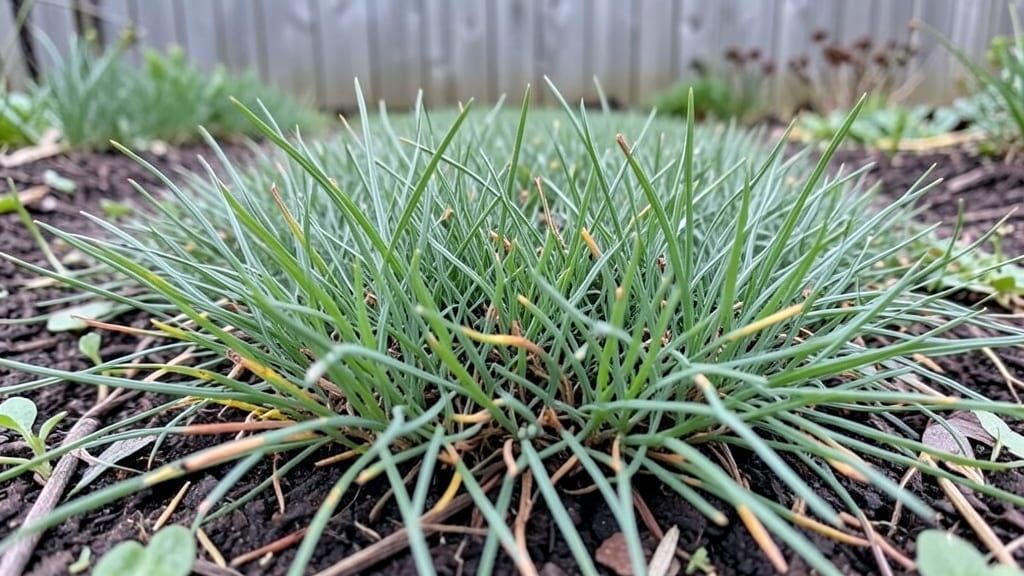
Those fast-germinating seeds are your secret weapon for sprouting fresh new grass patches in bare spots before anyone else does. I’ve filled more than a dozen patches in my own yard using this method—some as small as a dinner plate, others stretching across a shady corner.
The key isn’t just the seed; it’s the prep work you do before dropping them in.
Most patchy grass comes from compacted soil, poor drainage, or simply not prepping the area right. I learned the hard way when my first attempt sprouted unevenly because I didn’t loosen the soil enough.
A simple rake and a thin layer of compost make all the difference—plus, it keeps weeds from stealing the show. You’ll see those first green shoots in as little as 7-10 days with the right seeds.
By the time two weeks pass, you’ll have a thick, even carpet of grass where there was once dirt. The best part? These fast seeds blend right in with your existing lawn, so no one will guess it was ever damaged.
Just keep it watered lightly until the new growth is about 2 inches tall, and you’re done.
Works for sun or shade, small spots or larger areas—just adjust the seed type to match your lawn. Let’s get those patches looking like they’ve always been perfect.
Why it happens
Those unexpected new grass patches popping up in your yard aren’t just random acts of nature—they’re often the result of specific conditions and behaviors. Understanding these triggers can help you manage (or even encourage!) their appearance. Here’s a breakdown of the most common causes, backed by science and actionable insights:
🌱 Seed Dispersal by Wind or Wildlife
Grass seeds are lightweight and travel easily. Wind can carry them from neighboring lawns, construction sites, or even your own yard during mowing or raking. Wildlife, like birds, squirrels, or even deer, also spread seeds through their fur or droppings.
If you’ve noticed patches near fences, tree lines, or animal trails, this is likely the culprit.
- Actionable fix: Trim hedges and bushes to reduce wind tunnels, and install wildlife-proof barriers (like fencing) if animals are a recurring issue.
- Pro tip: Plant native ground covers or mulch around problem areas to block windborne seeds.
🌧️ Rain and Soil Moisture Fluctuations
Grass seeds need moisture to germinate, and sudden rain after a dry spell can trigger a wave of new growth. Even slight soil disturbances—like foot traffic, erosion, or water runoff—can expose dormant seeds to the perfect conditions.
If your patches appear after heavy rain or near slopes, moisture is likely the key player.
- Actionable fix: Improve drainage in low-lying areas with swales or French drains to prevent water pooling.
- Pro tip: Test your soil’s moisture retention; amending with compost can help regulate hydration.
🔥 Soil Disturbance from Human Activity
Digging, aerating, or even walking on compacted soil can break dormancy in buried grass seeds. Construction, gardening, or even pet digging can create micro-environments where seeds sprout unexpectedly. If patches appear in freshly tilled soil or near footpaths, disturbance is the likely cause.
- Actionable fix: Rake or lightly till disturbed areas to bury seeds deeper, preventing germination.
- Pro tip: Use landscape fabric in high-traffic zones to suppress weed/grass seed growth.
🌿 Dormant Seeds in the Soil Bank
Many grass seeds lie dormant in the soil for years, waiting for the right conditions to sprout. Over time, these "seed banks" can become activated by changes in sunlight, temperature, or soil composition. If your lawn has patches in shaded or previously bare spots, dormant seeds may be the reason.
- Actionable fix: Solarize bare spots with black plastic for 4–6 weeks to deplete seed banks before reseeding.
- Pro tip: Overseed in fall to outcompete dormant weeds with dense, healthy grass.
🛠️ Improper Lawn Maintenance
Skipping mowing, scalping the grass, or using heavy equipment can create gaps where seeds thrive. Even over-fertilizing can stress grass, leaving openings for new growth. If patches appear in thin or patchy areas, your maintenance routine might be the unintended culprit.
- Actionable fix: Adjust mowing height (never remove more than ⅓ of the blade at once) and fertilize in line with soil tests.
- Pro tip: Core aerate annually to reduce compaction and encourage deep root growth.
Quick Fixes for Spotty Lawn Growth
Reviving new grass patches in your lawn doesn’t have to be a guessing game. Whether your problem stems from poor soil prep, uneven seeding, watering mishaps, or pests, these targeted solutions will help you restore a lush, even lawn—fast.
Below, we’ve matched common causes to step-by-step fixes, plus prevention tips to keep your lawn thriving long-term.
🔥 Fix Thin or Patchy Grass Growth
Cause: Uneven seed distribution, shallow soil, or poor seed-to-soil contact.
How to Fix It:
- 🔪 Remove Debris & Loosen Soil Rake out dead grass or thatch, then aerate the patch with a garden fork or a manual aerator. Loosening the soil helps seeds make better contact with moisture and nutrients.
- 🌱 Reseed with Fast-Germinating Mix Choose a high-quality seed blend (like ryegrass or fescue for quick results) and spread it evenly over the area. Use a drop spreader for precision—avoid overseeding, which can lead to clumping.
- 💧 Water Lightly but Frequently Keep the soil consistently moist (not soggy) for the first 10–14 days. Mist the area 2–3 times daily with a gentle spray nozzle, then taper to 1–2 times daily once sprouts appear.
- ⏰ Monitor Germination Most fast seeds sprout in 5–10 days. If you don’t see growth after 2 weeks, lightly rake the soil again to check for buried seeds or reapply a thin layer of seed.
💡 Pro Tip: Top-dress with a starter fertilizer (low nitrogen, high phosphorus) to boost root development. Avoid heavy mulch—it can smother new shoots.
🍳 Fix Slow or Stunted New Growth
Cause: Compacted soil, nutrient deficiency, or improper watering.
How to Fix It:
- 👨🍳 Test Your Soil Grab a small sample from the patch and send it to a local extension office for a pH test. Ideal lawn pH is 6.0–7.0. If your soil is too acidic (below 6.0), apply pelletized lime per package instructions.
- 🌡️ Adjust Watering Habits
- Overwatering? Let the top inch of soil dry between waterings to prevent fungal issues.
- Underwatering? Deep water 1–2 times weekly (early morning is best) to encourage deep root growth.
- 💪 Fertilize Strategically Use a balanced fertilizer (10-10-10 or 16-4-8) when new grass is 2–3 inches tall. Avoid high-nitrogen feeds too soon—they promote leafy growth over roots.
- ✨ Consider Soil Amendments Mix in compost or peat moss to improve drainage and organic matter. For clay-heavy soil, add sand to break up compaction.
💡 Pro Tip: If growth is still sluggish after 3 weeks, try a mycorrhizal fungus treatment—it helps roots absorb nutrients more efficiently.
🔪 Fix Uneven or Clumpy Grass Patches
Cause: Over-seeding, wind dispersal, or poor spreading technique.
How to Fix It:
- 🌿 Thin Out Excess Growth If clumps are dense, mow higher (3–4 inches) to shade out weak spots. Use a string trimmer with a blade to trim uneven edges neatly.
- 🔄 Reseed Sparse Areas Hand-spread additional seed only where bare soil shows. Avoid broadcasting over thick areas—it wastes seed and creates thatch.
- 🎯 Use a Grass Roller (Optional) For large patches, roll the area lightly with a lawn roller after seeding to ensure seed-to-soil contact. Do this only after watering to prevent burying seeds too deep.
- 🚫 Prevent Future Clumping
- Calibrate your spreader before each use (walk in a grid pattern to check coverage).
- Walk backward when seeding to avoid trampling new grass.
💡 Pro Tip: For stubborn clumps, dethatch the area with a rake before reseeding to reduce competition.
🐛 Fix Pests or Disease Damaging New Grass
Cause: Grubs, chinch bugs, or fungal infections (like brown patch).
How to Fix It:
- 🔍 Identify the Problem
- Grubs? Dig up a small section—if you find C-shaped larvae, treat with beneficial nematodes or milky spore.
- Chinch Bugs? Look for yellow patches and tiny black bugs. Use neem oil or pyrethrin-based spray for organic control.
- Fungal Issues? Wet, spongy grass with dark rings? Apply a copper fungicide and improve drainage.
- 🛡️ Apply Targeted Treatments
- For Grubs: Water in grub control granules (like Bayer Advanced Grub Killer) after mowing.
- For Bugs: Spray early morning or evening to avoid harming bees. Reapply every 7–10 days if needed.
- For Fungus: Water deeply and less frequently to dry out the lawn faster.
- 🌱 Reseed After Treatment Wait 5–7 days after applying pesticides before reseeding to ensure safety.
💡 Pro Tip: Prevent pests by keeping your lawn mowed at 3 inches and aerating annually—healthy grass resists invaders better!
🌱 Long-Term Prevention Tips
- 📅 Seed at the Right Time: Spring (after frost) or early fall (when temps are 60–75°F) for best germination.
- 💧 Water Deeply, Not Daily: Encourages deep roots and drought resistance.
- 🔄 Overseed Annually: Apply a light layer of seed over the entire lawn in fall to fill thin spots before winter.
- 🌡️ Monitor Soil Health: Test pH and nutrients every 2–3 years and amend as needed.
- 🛠️ Keep Tools Clean: Sterilize rakes and mowers with bleach solution (1:10 ratio) to prevent disease spread.
With these fixes, your new grass patches will fill in smoothly and stay vibrant. Consistency is key—stick to the routine, and you’ll have a thick, green lawn in no time! 🌿✨
Frequently asked questions
How long does it take for new grass patches to fully establish?
New grass patches typically take about 4-6 weeks to fully establish, though they’ll start looking lush after 3-4 weeks with proper care. The key is keeping the soil consistently moist during the first 10-14 days while avoiding heavy foot traffic until the grass reaches 2 inches tall.
Can I use regular lawn seed for spot repair, or do I need special fast-germinating seed?
While regular lawn seed will eventually grow, fast-germinating seed blends (like ryegrass or annual ryegrass) are ideal for spot repair because they sprout in 5-10 days instead of 2-3 weeks. These blends also blend better with existing grass, reducing visible patchiness. For best results, choose a blend labeled for quick establishment.
What’s the best time of day to water new grass patches?
Water new grass patches early morning (6-8 AM) for best results—this allows moisture to absorb before evaporation. Avoid watering in the evening to prevent fungal growth from prolonged dampness. For the first 2 weeks, keep the soil consistently moist by watering 2-3 times daily with light misting.
Why did my new grass patch turn yellow after a few weeks?
Yellowing in new grass patches usually means overwatering, nutrient deficiency, or fungal issues. Check if the soil stays soggy (reduce watering) or test pH—ideal lawn pH is 6.0-7.0. If yellowing appears in rings, it may be a fungal issue. Apply a copper fungicide and improve drainage.
How do I prevent weeds from taking over my new grass patches?
Weeds thrive in bare soil, so keep new patches consistently moist and densely seeded to outcompete them. After 3-4 weeks, apply a pre-emergent herbicide (like corn gluten meal) to block weed seeds. For organic control, hand-pull weeds when soil is damp and mulch lightly with straw.