
Transplanting
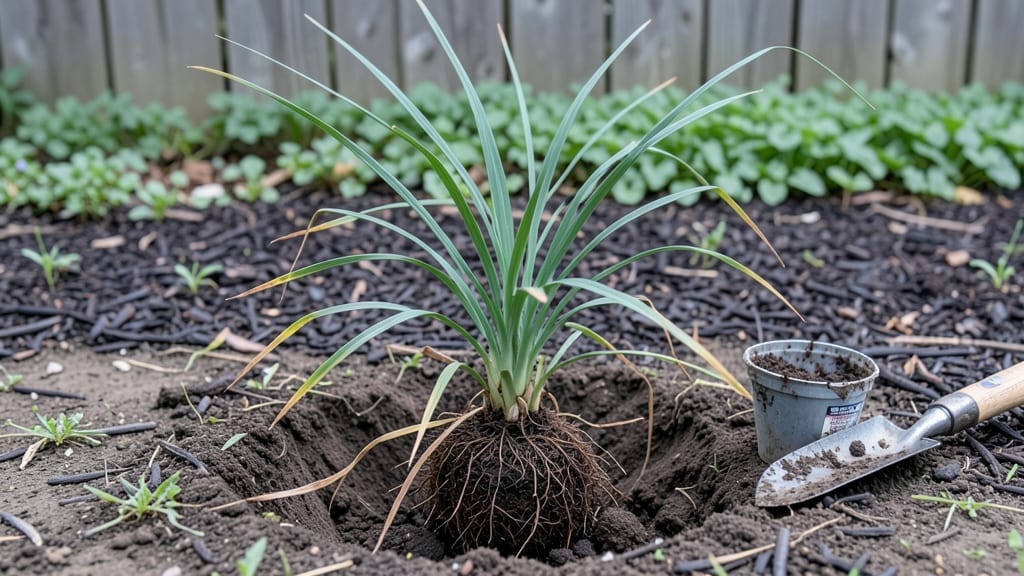
Transplanting ornamental grass transforms bare spots into lush, low-maintenance focal points that thrive year-round. ✨ I’ve moved clumps from shady corners to sunlit beds—and the difference in how they fill space and reduce mowing time is shocking.
The key isn’t just digging; it’s understanding when to move, how to prep the soil, and which grasses handle stress best.
Timing matters most: early spring or fall gives roots time to settle before extreme heat or cold. Clumping grasses like fountain grass or maiden grass handle transplanting better than spreaders like bamboo, which need special containment.
You’ll need basic tools—a sharp spade, compost, and a hose—but the real secret is keeping the root ball intact and watering deeply afterward.
Within weeks, you’ll see new growth signaling success, and by next season, your ornamental grasses will stand tall with minimal pruning. They’ll soften borders, add movement to still gardens, and cut back on yard work. The best part? Once established, they’re nearly indestructible—drought-tolerant, pest-resistant, and always in style.
This method works for small patches or full landscape overhauls, and I’ll cover how to adapt for different grass types. Let’s get those clumps planted right the first time—no guesswork, just results.
📚 In This Guide
- What you need
- Instructions
- Tips and common mistakes
- Wrapping up and next steps
What you need
- ● Ornamental grass plants: Choose 3–5 mature clumps (or more for larger areas), depending on desired coverage. Popular varieties include Miscanthus, Pennisetum, or Carex.
- ● Garden gloves: 1 pair (heavy-duty, for protection and grip).
- ● Shovel or trowel: 1 medium-sized (for digging holes) or 1 spade (for larger areas).
- ● Pruning shears: 1 pair (for trimming roots or adjusting plant size).
- ● Compost or well-aged manure: 2–3 gallons (to enrich soil).
- ● Organic mulch: 1–2 bags (e.g., shredded bark or straw, to retain moisture).
- ● Watering can or hose with a gentle spray nozzle: 1 (for post-transplant hydration).
- ○ Soil test kit: (Optional but helpful—check pH and nutrient levels before planting.)
- ○ Garden fork: (Optional, for aerating compacted soil.)
- ○ Transplant fertilizer: (Optional, slow-release granules for a nutrient boost.)
- ○ Stakes or landscape fabric: (Optional, to mark planting areas or suppress weeds.)
- ○ Wheelbarrow: (Optional, for hauling soil or mulch.)
How to transplant ornamental grass for year-round beauty
Here’s my go-to method for relocating ornamental grasses without stressing the plants.
🪴 Step 1: Choose the Right Time and Prepare the New Location
Transplant ornamental grasses during their dormant season—either early spring before new growth starts or late fall after foliage turns brown. Avoid extreme heat or freezing temperatures, which shock the roots. Pick a spot with similar light conditions to where the grass currently grows, whether that’s full sun or partial shade. If moving to a sunnier location, do it gradually over a week to avoid leaf scorch.
Loosen the soil in the new area with a garden fork to a depth of 12 inches. Amend with 2 inches of compost if your soil is heavy clay or sandy. Water the area 24 hours before transplanting so the soil is moist but not soggy—this helps roots settle in faster.
🌱 Step 2: Dig Up the Grass Carefully to Preserve the Root Ball
Water the grass deeply the day before to soften the soil and reduce root damage. Use a sharp spade to cut a 6-inch-wide circle around the clump, going 8-12 inches deep to include most of the root system. Lift the grass gently by grasping the base and tipping it slightly—never pull by the foliage, which can tear roots. If the clump is large, divide it into 4-inch-wide sections with a clean knife for easier handling.
Wrap the root ball in burlap or a cardboard box if transporting more than 50 feet—this keeps roots moist and protected. Avoid letting the root ball dry out; if it does, soak it in lukewarm water for 10-15 minutes before replanting. You’ll know you’ve done it right when the roots look firm and intact, not crumbling or broken.
☀️ Step 3: Plant at the Same Depth and Water Thoroughly
Dig a hole in the new location twice as wide as the root ball but no deeper—planting too deep suffocates the roots. Place the grass in the hole so the top of the root ball sits level with the surrounding soil. Fill gaps with native soil, pressing gently to eliminate air pockets. Avoid compacting too hard, which restricts root growth.
Water deeply right after planting until moisture seeps 6 inches down. Use a soaker hose or drip irrigation to avoid disturbing the soil. Mulch with 2 inches of shredded bark to retain moisture and suppress weeds. You’ll see new growth within 3-4 weeks if conditions are right—look for bright green shoots emerging from the base.
💧 Step 4: Maintain Consistent Moisture and Light for Recovery
Keep the soil evenly moist (not soggy) for the first 4-6 weeks—this is critical for root establishment. Water every 2-3 days if rainfall is light, checking that the top 2 inches of soil stay damp. Avoid overhead watering, which can cause fungal issues. If leaves yellow or wilt, it’s a sign of underwatering or poor drainage—adjust accordingly.
Resist the urge to prune or fertilize for at least 6 weeks. Ornamental grasses focus energy on root growth during this time. Once established, they’ll thrive with minimal care, but watch for browning tips—this often means too much sun or salt buildup from hard water. If needed, trim back one-third of the foliage in early spring to encourage fresh growth.
Tips & tricks for perfect ornamental grass transplanting
Moving ornamental grasses without stressing them takes a few key tricks—here's what I've learned from years of trial and error in the garden.
The Timing Secret: The 24-hour watering before transplanting is your best friend. I've seen too many gardeners skip this step and end up with brittle roots that snap easily. Watering deeply the day before softens the soil, making it easier to dig around the root ball without tearing those delicate fibers. Think of it like giving your grass a spa day before the big move!
Root Ball Rescue Strategy: If you accidentally let the root ball dry out during transport, don't panic! Soak it in lukewarm water for exactly the 10-15 minutes specified—any longer and you risk waterlogging. I've revived many a stressed grass clump this way. Test the roots by gently squeezing them: they should feel firm, not mushy or crumbly. This quick soak gives roots a chance to rehydrate before hitting the new soil.
Planting Depth Visual Cue: When placing your grass in the new hole, use the old soil line as your guide. The top of the root ball should sit level with the surrounding soil—this prevents suffocation from planting too deep. I like to make a small mark on the spade handle at the depth of the original soil line to use as a reference. This simple trick ensures proper airflow to the roots while keeping them stable.
Make-Ahead Strategy: You can actually prepare the new planting area up to 24 hours in advance! Loosen the soil and add compost as directed, then cover with a tarp to keep it moist. This gives you flexibility if you need to delay the actual transplanting day. Just remember to uncover it and water lightly the morning of transplanting to maintain that perfect moisture balance.
Pro Tips for Transplant Ornamental Grass
- Moving ornamental grasses without stressing them takes a few key tricks—here's what I've learned from years of trial and error in the garden.
- The Timing Secret: The 24-hour watering before transplanting is your best friend.
- Root Ball Rescue Strategy: If you accidentally let the root ball dry out during transport, don't panic!
Frequently asked questions
Got questions about transplanting ornamental grass? You’re not alone! Here are some of the most common concerns—and straightforward answers to help you succeed.
When is the best time to transplant ornamental grass?
The ideal time is early spring or early fall when temperatures are mild. This gives roots time to establish before extreme heat or cold sets in. Avoid transplanting during peak summer or winter—grass struggles in these conditions!
How long does it take for transplanted ornamental grass to recover?
Most ornamental grasses recover within 4–6 weeks, but full regrowth may take up to 3 months. Water deeply 2–3 times per week during the first month to encourage root establishment. Patience pays off—healthy growth will return!
Can I transplant ornamental grass in winter?
Transplanting in winter is risky unless you’re in a mild climate (Zones 7–10). Cold stress can stunt root growth. If you must, choose a sheltered spot and mulch heavily. Spring or fall are far safer bets!
What’s the best alternative if my ornamental grass dies after transplanting?
If your grass fails, try hardy ground covers like creeping thyme, sedum, or low-growing ferns. For texture, consider evergreen shrubs (e.g., boxwood) or perennial grasses like carex or fountain grass—both are transplant-friendly!
Why is my transplanted ornamental grass turning brown?
Brown patches often mean stress from transplant shock, underwatering, or root damage. Check soil moisture (keep it consistently damp but not soggy) and avoid cutting back until new growth appears. If the center stays brown, it may be dead—trim it out to encourage fresh shoots.
Wrapping up and next steps
Transplanting ornamental grass is a rewarding way to add year-round texture, movement, and low-maintenance beauty to your landscape. Whether you’re revamping a garden bed or filling a shady corner, these hardy plants thrive with minimal fuss—just follow the right timing, tools, and care tips.
With the knowledge you’ve gained, you’re ready to transform your outdoor space into a lush, dynamic oasis! 🌿
Your next step? Pick your favorite varieties—like fountain grass or maiden grass—and schedule your transplanting for the perfect season. Happy gardening!