
Landscaping
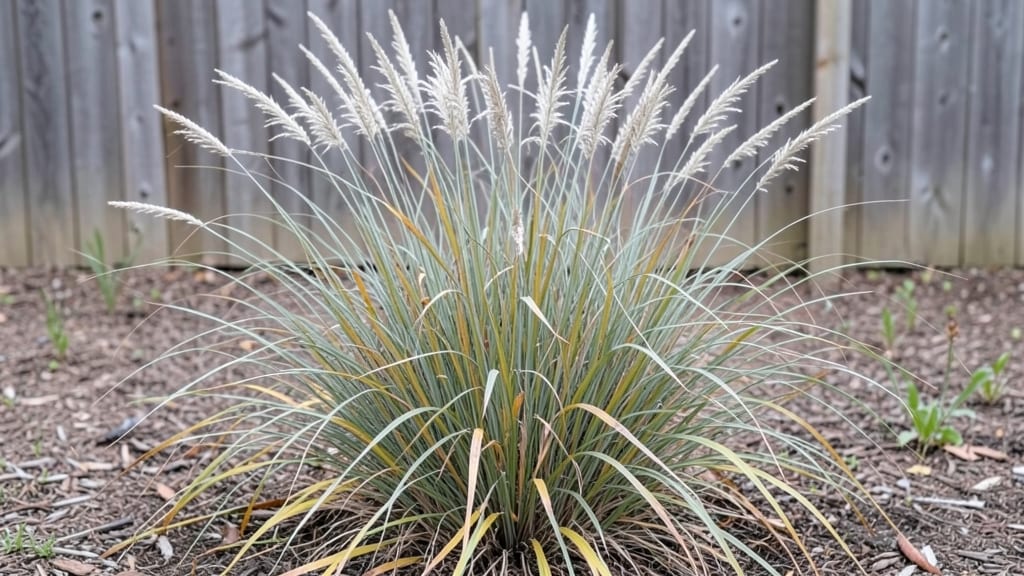
A maiden grass hedge transforms your privacy screen into a living work of art 🌿 — no shears required.
Tired of high-maintenance hedges that demand constant pruning and still leave gaps in your privacy? Maiden grass hedges offer a stunning, low-maintenance alternative that thrives year-round with minimal effort—while adding texture and movement to your landscape.
Unlike traditional hedges, this ornamental grass grows tall and lush on its own, creating a natural barrier that’s drought-tolerant and cold-hardy down to zone 6a. Plant it in spring for the best start, and watch it fill in beautifully over time.
In this guide, I’ll show you how to plant, space, and care for your maiden grass hedge—plus the top varieties for height and seasonal interest—so you can enjoy a low-effort, high-impact privacy solution.
Why maiden grass makes an ideal low-maintenance privacy hedge
If you've ever struggled with boxwood hedges that demand constant pruning or privet shrubs that struggle in drought, maiden grass (Miscanthus sinensis) offers a game-changing solution. This ornamental grass delivers year-round privacy with minimal effort, while adding movement and texture to your landscape.
Unlike traditional hedges, maiden grass thrives on neglect, making it perfect for busy gardeners or those seeking low-maintenance beauty.
One of the biggest advantages of maiden grass is its drought tolerance. Once established, it requires far less water than shrubs like boxwood, which can wilt and brown during dry spells. Its deep root system also makes it resilient against urban heat islands and poor soil conditions.
Plus, it handles cold winters with ease, surviving down to USDA Zone 5 and beyond, depending on the variety.
Here’s how maiden grass stacks up against traditional hedges in key areas:
| Feature | Maiden Grass Hedge | Boxwood Hedge | Privet Hedge |
|---|---|---|---|
| Pruning Needs | Minimal (once a year) | Frequent (every 4-6 weeks) | Frequent (every 6-8 weeks) |
| Water Requirements | Low (drought-tolerant) | Moderate (needs consistent moisture) | Moderate (susceptible to drought stress) |
| Cold Hardiness | Zone 5-9 (varies by variety) | Zone 6-9 (damaged in harsh winters) | Zone 5-9 (can suffer dieback) |
| Seasonal Interest | Year-round (plumes in fall/winter) | Limited (evergreen but dull) | Limited (evergreen but lacks texture) |
| Pest Resistance | High (rarely affected) | Moderate (susceptible to boxwood blight) | Low (prone to borers and mites) |
| Maintenance Level | Very Low (cut back in early spring) | High (shearing, shaping, fertilizing) | High (shearing, fertilizing, pest control) |
Maiden grass also excels with its seasonal interest. In late summer and fall, it produces feathery plumes that add height and movement to your garden. These plumes can last well into winter, providing structure when other plants have died back.
Varieties like 'Malepartus' and 'Zebrinus' offer striking golden or striped foliage, while 'Little Zebra' adds bold stripes for visual appeal.
Another standout feature is its adaptability to different soils. While it prefers well-draining soil, maiden grass tolerates clay, sandy, or rocky soil better than many shrubs. This makes it ideal for gardens with challenging conditions, such as slopes or urban areas with compacted soil.
Unlike boxwood, which can become root-bound and require frequent division, maiden grass spreads naturally without becoming invasive.
For privacy screens, I recommend planting maiden grass in 3-4 foot spacings for a dense, natural look. Over time, the clumps will fill in, creating a living wall that’s both functional and beautiful.
Unlike privet, which can develop gaps and holes over time, maiden grass maintains its density and provides year-round coverage, even in winter.
If you're concerned about wildlife interactions, rest assured that maiden grass is deer-resistant and doesn’t attract pests like boxwood or privet. Its tough, fibrous stems deter browsing animals, making it a low-stress choice for rural or suburban gardens alike.
Plus, the plumes provide habitat for birds and beneficial insects, adding ecological value to your landscape.
One common misconception is that maiden grass requires constant pruning like traditional hedges. In reality, you only need to cut back dead foliage in early spring before new growth emerges. This one-time annual task keeps the plants looking tidy without the time-consuming
Step-by-step guide to planting and establishing a maiden grass hedge
Creating a maiden grass hedge is easier than you think, and the results are stunning—think year-round texture, seasonal interest, and minimal pruning compared to traditional hedges. The key lies in proper spacing, soil prep, and early-care routines tailored to your chosen variety.
Whether you’re working with clumping types like 'Zebrinus' or managing spreading varieties like 'Gracillimus', these steps ensure a lush, dense hedge that thrives for years.
Maiden grass thrives in USDA Zones 5-9 and prefers well-draining soil with full sun to partial shade. Planting in spring (April-May) gives roots time to establish before winter, while fall planting is also viable in milder climates.
The first year is critical—consistent watering and light fertilization will set the foundation for a thick, healthy hedge by year two.
Planting & Care Timeline
- Step 1: Choose Your Variety
- Clumping types (e.g., 'Zebrinus'): Plant 3-4 feet apart for dense growth.
- Spreading types (e.g., 'Gracillimus'): Space 4-5 feet apart to control spread.
- Step 2: Prepare the Soil
- Amend clay or compacted soil with compost or sand for drainage.
- Test pH (6.0-7.5)—maiden grass tolerates a wide range but thrives in neutral soil.
- Step 3: Plant at the Right Time
- Spring (after last frost) or early fall for best root establishment.
- Dig holes twice as wide as the root ball but no deeper.
- Step 4: Water Deeply & Consistently
- First year: Water 1-2 inches weekly (deep soak).
- Reduce to bi-weekly in year two once established.
- Step 5: Fertilize Lightly
- Apply balanced fertilizer (10-10-10) at planting and mid-season only.
- Avoid over-fertilizing—maiden grass prefers lean soil.
- Step 6: Prune Strategically
- Cut back dead foliage in early spring before new growth.
- For taller varieties, trim late winter to shape.
After planting, mulch around the base with 2-3 inches of organic mulch to retain moisture and suppress weeds. This is especially important in dry climates or during hot summers.
Avoid piling mulch against the stems to prevent rot. For spreading varieties, monitor growth and divide clumps every 3-4 years to maintain vigor.
By year two, your maiden grass hedge should fill in beautifully with minimal gaps. The feathery plumes in fall add dramatic color, and the winter interest keeps your landscape dynamic year-round.
Unlike traditional hedges, maiden grass requires no shearing—just occasional trimming to shape or remove old growth. This makes it a dream hedge for busy gardeners who still want a polished look.
Pro tip: Pair taller varieties (like 'Malepartus') at the back with shorter types (like 'Little Zebra') in front for layered texture. The arching habit of maiden grass creates natural movement, making it a standout feature in any garden design.
With these steps, you’ll have a privacy screen that’s both functional and breathtaking—with almost no upkeep!