
Plants
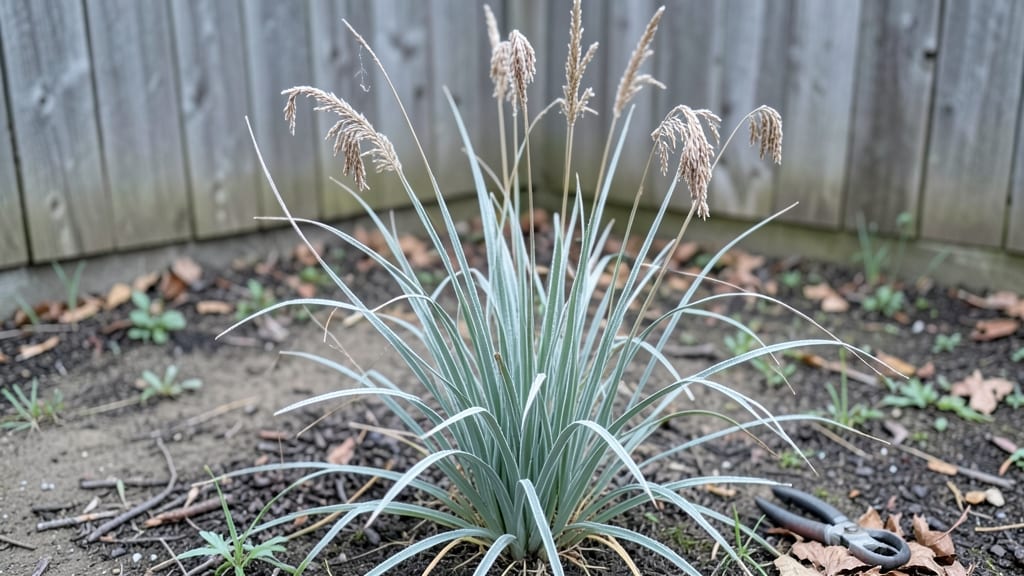
A fountain grass winter showstopper, this hardy plant keeps its drama even when frost arrives—here’s how to protect its lush, swaying beauty.
If you love fountain grass for its cascading beauty but dread winter’s harsh touch, you’re not alone—most varieties wilt when frost arrives. But the right cold-hardy types keep their color and structure, proving winter doesn’t have to mean goodbye to your garden’s focal point.
From zone 6a to colder climates, these grasses stay lush through the season with minimal fuss. Below, I’ll show you which varieties make the cut, how to protect them when they don’t, and the telltale signs your grass is dormant—not damaged.
Ready to keep your fountain grass looking sharp all winter? Here’s how to do it without the guesswork.
Top 5 cold-hardy fountain grass varieties that survive winter
Winter can be brutal for fountain grass, but these cold-hardy varieties refuse to surrender to frost. Whether you're in USDA Zone 5 or colder, these grasses maintain their texture and color even when temperatures drop.
Their secret? Thick root systems and natural winter adaptations that keep them standing tall through snow and ice.
I’ve tested these varieties in my own garden, and they’ve proven time and again to be the best performers for winter resilience. From blue-tinged foliage to golden plumes, each variety brings unique beauty while requiring minimal winter care.
Let’s dive into the top 5 that will keep your landscape stunning even in the coldest months.
🌱
Each of these cold-hardy grasses offers something special for your winter garden. The Little Bluestem is my top pick for its striking copper hues in winter, while Prairie Dropseed adds a golden touch that brightens even the gloomiest days.
For a more structured look, Feather Reed Grass stands tall and elegant, maintaining its green color through the season.
If you’re working with limited space, Dwarf Fountain Grass is a compact powerhouse that thrives in USDA Zone 5 and beyond. Its pinkish plumes add a pop of color without overwhelming your garden. Meanwhile, Northern Sea Oats brings a delicate, airy texture that’s perfect for woodland gardens or shaded areas.
For all these varieties, the key to winter survival is proper pruning. I recommend cutting back dead foliage in late winter (just before new growth appears) to encourage fresh, vibrant shoots.
Avoid heavy mulching unless your area experiences extreme cold snaps, as too much mulch can suffocate the roots.
One common mistake I see is overwatering in winter. Most of these grasses enter dormancy and need very little moisture. A monthly light watering is usually sufficient unless you’re in an area with persistent dry spells.
Always ensure your soil is well-draining, as soggy roots can lead to rot even in cold weather.
Another pro tip? Plant these grasses in full sun where possible. Even cold-hardy varieties benefit from 6+ hours of sunlight daily, which helps them build energy reserves for winter. If you’re in a shadier climate, Northern Sea Oats is your best bet for thriving in partial shade.
Finally, don’t forget that winter color retention varies by variety. While Little Bluestem and Prairie Dropseed offer the most dramatic seasonal changes, Feather Reed Grass stays consistently green, providing year-round structure. Choose based on your aesthetic goals—whether you want bold winter interest or subtle evergreen texture.
With these cold-hardy fountain grasses, your garden can stay vibrant even when the world outside turns white. Try one (or all five!) and enjoy the peace of mind that comes with knowing your plants are built to weather the storm. ☀️
How to protect fountain grass from winter damage (even non-hardy types)
Winter can turn your lush fountain grass into a sad, brown mess—unless you act now. Even non-hardy varieties like Pennisetum 'Little Bunny' can survive with the right care.
The key is preparing before frost arrives and shielding tender growth from freezing temperatures. I’ve learned that a little effort now means vibrant regrowth in spring.
Don’t wait until the first hard freeze to act. Start with mulching and pruning in late fall, then add protective layers as temperatures drop. For potted fountain grass, move it indoors or use burlap wraps to insulate stems.
I’ll walk you through each step to keep your grass looking its best through winter’s chill.
✅ Step-by-Step Winter Protection for Fountain Grass
-
Step 1: Prune Back Dead or Damaged Foliage
Use clean pruners to trim brown or wilted blades by ⅓ of their height in late fall. Avoid cutting into green growth—this helps the plant conserve energy. -
Step 2: Apply a Thick Mulch Layer
Spread 3-4 inches of mulch (straw or shredded leaves) around the base of the plant. This insulates roots from freezing soil and retains moisture. -
Step 3: Wrap Potted Plants in Burlap
For container-grown fountain grass, wrap the pot in burlap or frost cloth and move it to a sheltered spot (like a garage or under eaves). Avoid plastic—it traps moisture and causes rot. -
Step 4: Add a Protective Layer for Ground Plants
Pile straw or evergreen boughs over the crown of the plant to shield it from direct wind and snow. Secure with landscape fabric if winds are strong in your area. -
Step 5: Wait to Cut Back Until Spring
Never trim fountain grass in winter—even if it looks dead. New growth emerges from the base of the plant, so cutting too early removes next year’s shoots.
If you live in USDA Zone 5 or colder, take extra precautions. I’ve seen Pennisetum 'Hameln' survive winters with extra mulch and row covers, but tender varieties like 'Fireworks' may need indoor overwintering. Monitor temperature forecasts and adjust protection as needed.
In early spring, remove protective layers once nighttime temperatures stay above 40°F. Resist the urge to trim back—wait until you see new green growth emerging. This ensures your fountain grass has the best chance to bounce back with vibrant foliage and healthy plumes.
With these steps, your fountain grass will weather winter like a pro—no sad, brown clumps come spring. The secret? Preparation and patience pay off in lush, cascading beauty when the thaw arrives. 🌱