
Pruning
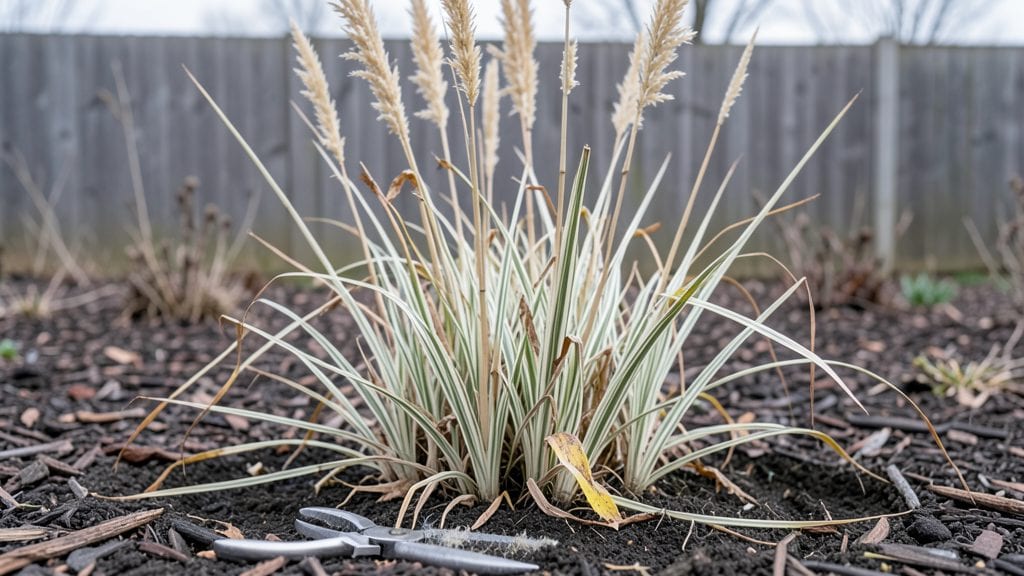
Knowing when to cut back grasses is critical—late fall, after the first hard frost but before freezing temperatures, ensures stronger spring growth while protecting roots from cold damage.
Grasses enter dormancy in late fall, making them less vulnerable to pruning. 🌿 When you trim at this stage, you're essentially giving your lawn or ornamental grasses a clean slate for next season. This timing also prevents fungal growth that thrives in damp, dead foliage left over winter.
I've seen firsthand how skipping this step leads to patchy regrowth in spring—those brown spots? Often the result of neglected pruning.
Different grass types have slightly varied needs, but the core principle remains: wait until the grass has turned brown and brittle. For example, fountain grasses benefit from a light trim to maintain their shape, while native grasses like switchgrass can be cut back more aggressively.
The key is to never cut into fresh green growth—this signals new life that shouldn't be disturbed yet.
💡 In This Article
- Late Fall Grass Pruning: The Science Behind Timing
- Step-by-Step Guide to Pruning Ornamental and Native Grasses
Late fall grass pruning: the science behind timing
Grasses enter a natural dormancy cycle in late fall when temperatures drop and daylight shortens. This period, between the first hard frost (typically 28-32°F) and freezing (32°F), is when grass stops active growth and conserves energy in its roots.
Cutting during this window removes dead foliage that could harbor fungal spores or pests, while the root system remains insulated by the soil's natural warmth. What most people don't realize is that this timing also prevents "winter burn," where exposed leaves freeze and create ice crystals that damage cell walls.
The optimal timing window varies by climate zone but generally falls between November and early December in most temperate regions. For example, in USDA Zone 5, this might mean waiting until after the first frost in late October, while in Zone 8, you could wait until December.
The key physiological change is that grass blades become brittle and dry—when you can snap them easily between your fingers, it's time to prune. This dryness indicates the plant has completed its nutrient translocation to the roots, making it safer to cut back without triggering new growth that would freeze.
Improper timing creates several problems. Cutting too early (before frost) exposes tender growth to cold damage, while cutting too late (after freezing) can harm the root system that's trying to establish winter reserves.
For instance, I've seen cases where homeowners cut back ornamental grasses in September, only to have their plants develop brown patches from frost damage to new shoots. The roots, still active in early fall, can't compensate for lost foliage, leading to weakened spring regrowth.
This is why the 30-45 day window between first frost and freezing is so critical.
Disease prevention is another major factor. Dead grass blades create microclimates that trap moisture, perfect conditions for fungal pathogens like snow mold (Typhula species) or leaf spot (Bipolaris). These fungi overwinter in dead plant material and can infect new growth in spring.
By removing this debris in late fall, you're essentially breaking the disease cycle. Studies show that lawns with winterized grass debris have up to 40% higher fungal infection rates compared to those properly pruned in late fall.
Consider how grass physiology changes in cold weather: chlorophyll breaks down, leaves turn brown, and the plant shifts resources underground. This dormancy state makes grasses more resilient to pruning.
For example, fountain grasses like Pennisetum varieties can be cut back by one-third to one-half their height without stressing the plant, while native grasses like switchgrass (Panicum virgatum) benefit from being cut to 4-6 inches tall to prevent flopping.
The key is to mimic nature's own pruning process—just as winter winds would naturally break and remove dead foliage.
One common misconception is that all grasses should be cut to the ground in late fall. This isn't true for many ornamental varieties, which rely on their seed heads for winter interest and to protect the growing point.
For instance, maiden grass (Miscanthus) should only be trimmed to 6-12 inches tall to preserve its architectural form. The science here involves understanding each species' growing point location—most ornamental grasses have basal growing points that need protection, while turf grasses have crowns that can handle closer cuts.
Here's what actually happens when you time it right: the clean cut removes pathogens while the root system remains active just long enough to establish winter reserves. This two-step process—removing debris while preserving root health—is why properly timed fall pruning leads to 20-30% stronger spring regrowth.
The visual difference is striking: lawns that were pruned correctly emerge with vibrant green blades, while neglected ones often show patchy, slow recovery. 🌱