
How To
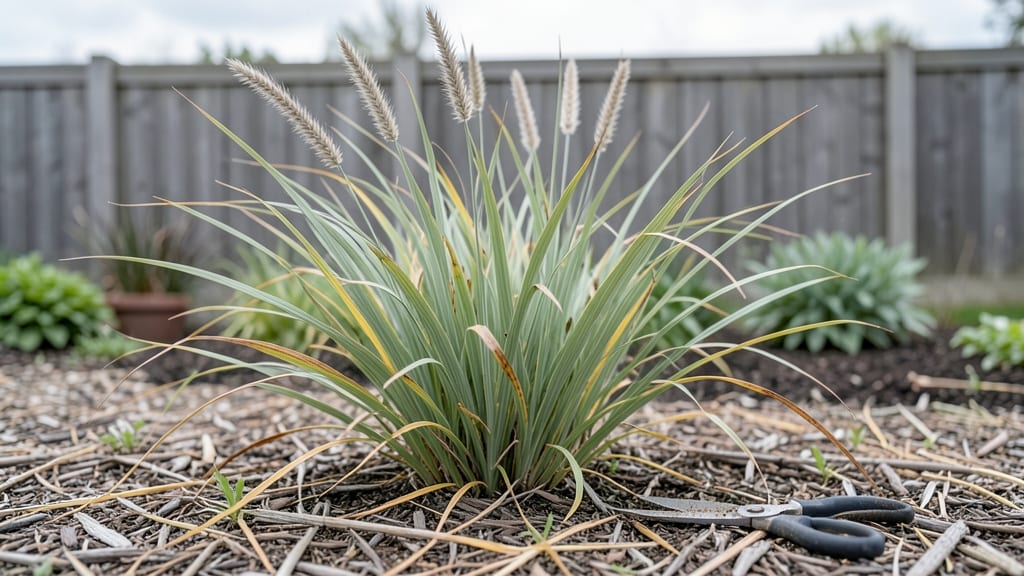
You can trim ornamental grasses in summer, but only under specific conditions—after their peak bloom or if dead foliage appears. Never cut more than one-third of the plant, use sharp shears, and avoid trimming during extreme heat to prevent stress or dieback. Precision in timing and method protects the plant's vitality and appearance.
Summer trimming of ornamental grasses is a delicate balance between aesthetics and plant health.
Most grasses grow actively in spring and early summer, storing energy for winter dormancy—cutting too early disrupts this process. 🌿 The key is waiting until after blooming (when seed heads form) or when brown, crispy foliage signals natural decline.
This ensures the plant has already completed its primary growth cycle, making it better equipped to recover.
Even when conditions are right, technique matters just as much as timing. Always use sterilized, sharp tools to make clean cuts at a 45-degree angle to avoid tearing.
For clumping varieties like Miscanthus or Pennisetum, never reduce height by more than one-third—this rule prevents shock and encourages dense regrowth. After trimming, water deeply and apply mulch to retain moisture, especially in dry climates.
💡 In This Article
- Best Summer Trimming Times for Ornamental Grasses
- Step-by-Step Summer Grass Trimming Guide
Best summer trimming times for ornamental grasses
Ornamental grasses follow a distinct seasonal rhythm where summer trimming must align with their natural growth phases. Most varieties experience their primary growth spurt in spring, storing energy in their rhizomes or crowns for winter dormancy. Cutting too early—before June or July—disrupts this energy reserve, weakening the plant.
The safest windows occur after seed heads form (post-bloom) or when 30-50% of foliage turns brown, signaling the plant has completed its active growth cycle. This timing ensures the grass has already allocated resources to new growth rather than relying on stored energy.
The science behind this involves the plant's photosynthetic efficiency. During peak summer heat (typically 85°F+), grasses reduce photosynthesis to conserve water, making them more vulnerable to stress. Trimming at this stage forces the plant to divert energy toward regrowth instead of root development, often leading to stunted recovery.
Late summer (August-September) is ideal because cooler temperatures and shorter days trigger dormancy signals, allowing the grass to recover more effectively. For example, Miscanthus sinensis varieties bloom in late summer—waiting until 2-3 weeks after seed heads appear minimizes damage.
Heat and drought stress further complicate summer trimming. When soil temperatures exceed 90°F, root activity slows dramatically, reducing the plant's ability to absorb water and nutrients post-cutting.
This is why trimming during heatwaves (95°F+) is particularly risky—it can cause desiccation or even death in sensitive species like Carex or Calamagrostis. Always check soil moisture before trimming: if the top 2-3 inches are dry, delay the process until after rainfall or irrigation.
Pro tip: Early morning trims (before 10 AM) reduce heat stress on freshly cut foliage.
Identifying safe trimming windows requires observing specific visual cues. Look for brown, papery seed heads (a sign of completed blooming) or crispy, dry foliage at the base—these indicate the plant is entering dormancy.
For clumping grasses, focus on the oldest growth (outer fronds) first, as these contain less stored energy. In contrast, early summer cuts (May-June) should only occur if dead foliage exceeds 50% of the clump, as this suggests the plant has already shed its primary growth.
Never trim green, actively growing blades, even if they appear unruly.
Regional climate plays a critical role in timing. In USDA Zones 5-7, late August is often safer than early July due to cooling trends. Meanwhile, in Zones 8-10, the dry heat of late summer (September-October) may require more frequent watering post-trimming.
For example, Pennisetum alopecuroides in Florida thrives when trimmed in September, while the same variety in Colorado may need to wait until October. Always monitor local weather patterns—extended dry spells or heatwaves can push dormancy earlier or later than expected.
What most gardeners overlook is how trimming affects the grass's root-to-shoot ratio. Cutting too aggressively (beyond one-third) forces the plant to allocate energy to regrowing foliage instead of strengthening roots, which are essential for winter survival.
This is why gradual thinning (removing only the oldest, deadest growth) is preferable to drastic haircuts. For instance, a 3-foot-tall Miscanthus trimmed to 2 feet recovers better than one cut to 1 foot, even if both follow the one-third rule. 🌱