
Watering
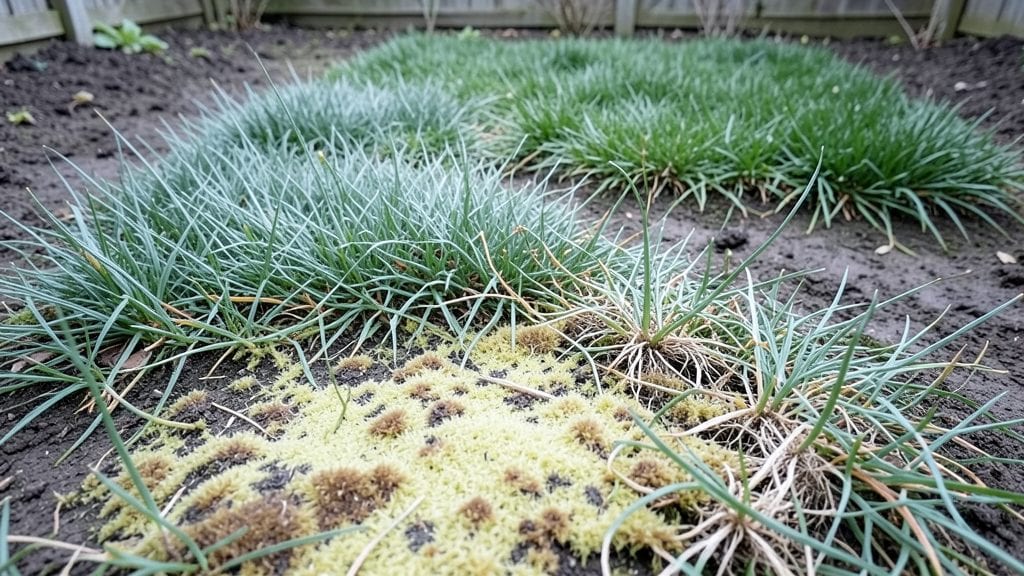
Overwatered grass can recover if caught early, but severe cases may require weeks to months of proper drainage and reduced watering. Yellowing, wilting, or fungal growth signals stress—fix drainage first, then adjust irrigation habits to prevent future damage.
When grass struggles from too much water, it's often the roots that suffer first—cut off from oxygen and choked by soggy soil. 🌱 The good news? Grass is resilient, and with the right care, it can bounce back by regaining access to air and nutrients.
I've seen lawns recover within weeks when I act fast, but chronic waterlogging can take months to fully reverse. The key is patience combined with smart adjustments: aerating compacted soil, cutting back on water, and keeping an eye out for mold or discoloration.
What's interesting is how quickly grass reacts when conditions improve. Within days of better drainage, you'll often notice new growth at the base of blades, signaling the roots are reviving.
For severe cases, I recommend testing soil moisture with a simple screwdriver—if it doesn't slide in easily, you're still too wet. This method helps avoid overcorrecting and gives you a clear benchmark for when to resume normal watering patterns.
💡 In This Article
- How Overwatering Damages Grass Roots and Soil
- Step-by-Step Recovery Plan for Waterlogged Lawns
How overwatering damages grass roots and soil
When grass sits in standing water for more than 48 hours, the roots enter a state of hypoxia—severe oxygen deprivation. Grass roots need oxygen to respire, just like we do, and without it, they start to suffocate.
The lack of oxygen disrupts cellular respiration, which grass roots rely on to convert sugars into energy. This process creates a chain reaction: without energy, roots can't absorb water or nutrients, and they begin to rot.
The telltale sign is a spongy, mushy texture when you probe the soil with your finger.
Waterlogged conditions also create the perfect breeding ground for fungal infections like brown patch or dollar spot. These pathogens thrive in damp, anaerobic soil where organic matter decomposes slowly. The fungi release enzymes that break down grass cell walls, leading to those unsightly brown patches that spread rapidly.
What's worse is that these infections weaken the grass further, making recovery even harder. In extreme cases, the fungal growth can spread underground, infecting healthy roots and creating a vicious cycle of decline.
The soil itself suffers too. When water pools, it displaces air from the pore spaces between soil particles, leading to compaction. Compacted soil becomes dense and hard, making it difficult for roots to penetrate and water to drain.
This physical barrier reduces the soil's ability to hold oxygen and nutrients, creating a double whammy for struggling grass. Over time, the soil structure degrades, losing its natural ability to aerate and filter water efficiently. Even after recovery, the lawn may remain vulnerable to future waterlogging.
Nutrient leaching is another silent killer. Excess water washes away essential minerals like nitrogen, potassium, and phosphorus—nutrients grass needs to rebuild its roots and blades. These nutrients don't just disappear; they're carried deep into the soil or into groundwater, leaving the topsoil depleted.
What's left behind is often an imbalance of salts and minerals, which can further stress the grass. Think of it like flushing vitamins down the drain—except in this case, you're literally washing away the grass's lifeline.
Even the above-ground parts of the grass suffer. Waterlogged roots can't supply enough moisture to the blades, leading to wilting despite the soggy soil. The grass blades may turn yellow or develop a bluish-gray tint, a sign of stress.
Worse, the excess moisture blocks sunlight from reaching the soil, which disrupts photosynthesis in the roots. Without sunlight, the grass can't produce the energy it needs to repair damaged cells or grow new ones.
It's like trying to power a car with a dead battery—no matter how much fuel you add, it won't run without the right conditions.
What most people don't realize is how quickly these problems compound. A single heavy rain or overzealous watering can trigger a cascade of damage that spirals out of control. Within days, what started as minor waterlogging can turn into a full-blown crisis of fungal growth, nutrient loss, and root rot.
The grass may look like it's drowning, but the real damage is happening below the surface—where you can't see it until it's too late. That's why early intervention is critical: catching the problem before it spreads saves time, effort, and often, the lawn itself. 🌱