
Plants
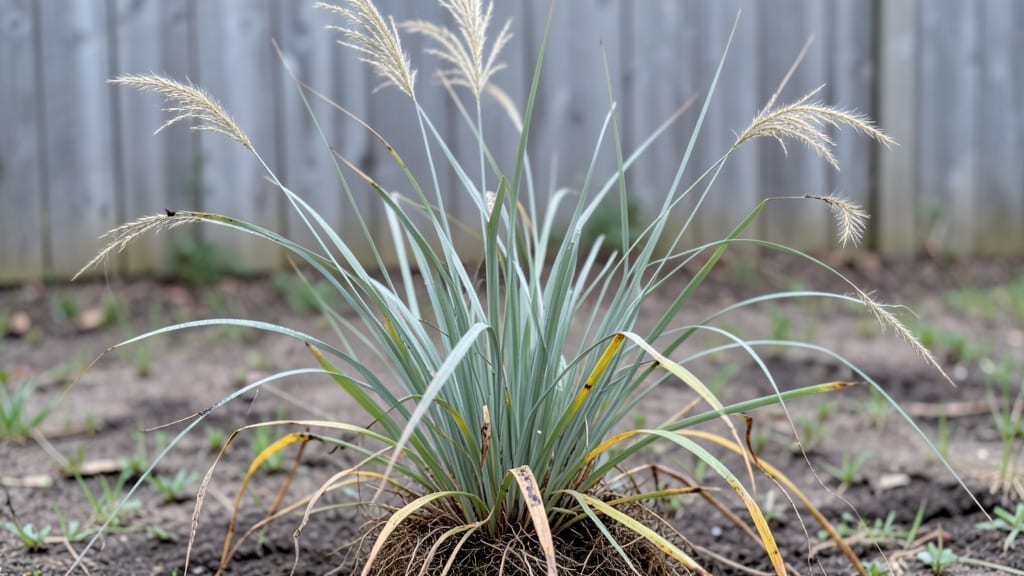
Tall perennial grasses transform any yard into a lush, year-round privacy screen that outshines traditional fences 🌿.
Tired of fences that require constant maintenance and still leave your yard exposed? Tall perennial grasses offer a natural, low-maintenance solution that grows taller, denser, and more beautiful every year—while providing year-round privacy.
These grasses thrive in USDA Zone 6a and beyond, reaching heights of 6 to 12 feet with minimal effort. Unlike fences, they add texture, movement, and seasonal interest, turning your backyard into a serene retreat.
In this guide, you’ll discover the best varieties for your space, how to plant them for maximum impact, and simple care tips to keep them looking stunning for decades.


Best tall perennial grasses for privacy screens compared by height and growth rate
If you're dreaming of a lush, year-round privacy screen that requires zero fence upkeep, tall perennial grasses are your answer. These architectural plants grow 6 to 12 feet tall while offering seasonal texture and movement that fences simply can't match.
The best part? They thrive on neglect once established, making them perfect for busy gardeners.
Not all tall grasses grow at the same speed or reach the same height. Some, like Pampas Grass, shoot up 5 feet in a single season, while others like Miscanthus take 2-3 years to hit their full 10-foot potential.
Your climate also plays a role—Switchgrass thrives in USDA Zones 3-9, while Giant Reed prefers Zones 5-10. Let's break down the top performers so you can pick the perfect fast-growing screen for your yard.
Below, I’ve compared the fastest-growing tall grasses by mature height, growth rate, hardiness zones, and maintenance needs. Use this table to find the best match for your space, sunlight, and climate.
🌱
<comparison-table>If you're in a warmer climate (Zones 7-11), Pampas Grass and Giant Reed are the fastest growers—both can reach privacy-screen height in just 1-2 years. Their plume-like flowers add dramatic flair, but be warned: they’re highly invasive in some regions. Always check local regulations before planting!
For colder climates (Zones 3-6), Switchgrass and Feather Reed Grass are hardy, drought-tolerant choices that won’t flinch at winter freezes. They grow slower but offer year-round interest, with winter seed heads that provide texture even when bare.
Need a medium-height option (5-7 ft) that’s low-main
How to plant and maintain tall perennial grass for maximum privacy and beauty
Transforming your yard into a private oasis starts with tall perennial grasses—they grow taller than fences, require minimal upkeep, and add stunning texture to your landscape. Unlike traditional fencing, these grasses thrive year after year, filtering wind, blocking noise, and providing wildlife habitat.
The key to success lies in proper planting techniques and seasonal care that keeps them lush and healthy.
For best results, focus on soil preparation, correct spacing, and seasonal maintenance. Many gardeners overlook these details, leading to stunted growth or sparse coverage.
With the right approach, your privacy screen will reach its full height in just 2-3 years, creating a natural barrier that’s both functional and beautiful.
Step-by-Step Planting and Care Guide
- Step 1: Choose the Right Location – Select a spot with full sun exposure (6+ hours daily) and well-draining soil. Avoid low-lying areas where water pools, as root rot can kill your grasses.
- Step 2: Prepare the Soil – Test soil pH (ideal range: 6.0-7.0). Amend with compost or sand if your soil is heavy clay or overly sandy. Loosen the top 12 inches of soil for easy root establishment.
- Step 3: Plant at the Correct Depth – Dig holes twice as wide as the root ball but only as deep as the container. Space plants 3-5 feet apart for dense growth (closer for shorter varieties, farther for taller ones like Miscanthus).
- Step 4: Water Deeply After Planting – Soak the soil until water drains 6 inches deep. Water every 2-3 days for the first 2 weeks to help roots establish, then taper to weekly deep waterings once established.
- Step 5: Apply Mulch – Spread 2-3 inches of mulch (wood chips or straw) around the base to retain moisture and suppress weeds. Keep mulch 3 inches away from stems to prevent rot.
- Step 6: Fertilize in Early Spring – Use a balanced fertilizer (10-10-10) at half strength in April or May. Avoid fertilizing in fall or winter, as grasses go dormant.
- Step 7: Prune Seasonally – Cut back dead foliage in late winter (before new growth starts) and trim overgrown clumps in early summer to encourage bushier growth. Never remove more than 1/3 of the plant at once.
One of the biggest mistakes I see is over-pruning in fall, which can leave grasses vulnerable to frost damage. Instead, wait until late winter or early spring to trim back dead foliage—this gives wildlife shelter during cold months while keeping your yard tidy.
For fastest growth, pair your grasses with companion plants like hostas or ferns that thrive in their dappled shade.
Seasonal care is where privacy screens truly shine. In spring, focus on fertilizing and weeding; in summer, prioritize deep watering during droughts; and in fall, let the grasses stand for winter interest before a light cleanup.
With this routine, your tall perennial grasses will create a living privacy wall that only gets better with age.
Pro tip: If your grasses aren’t growing as tall as expected, check for nutrient deficiencies. Yellowing leaves often signal a need for iron or nitrogen. A simple soil test can reveal exactly what your plants crave—saving you time and frustration.
With patience and the right care, your privacy screen will become the envy of the neighborhood! 🌿