
How To
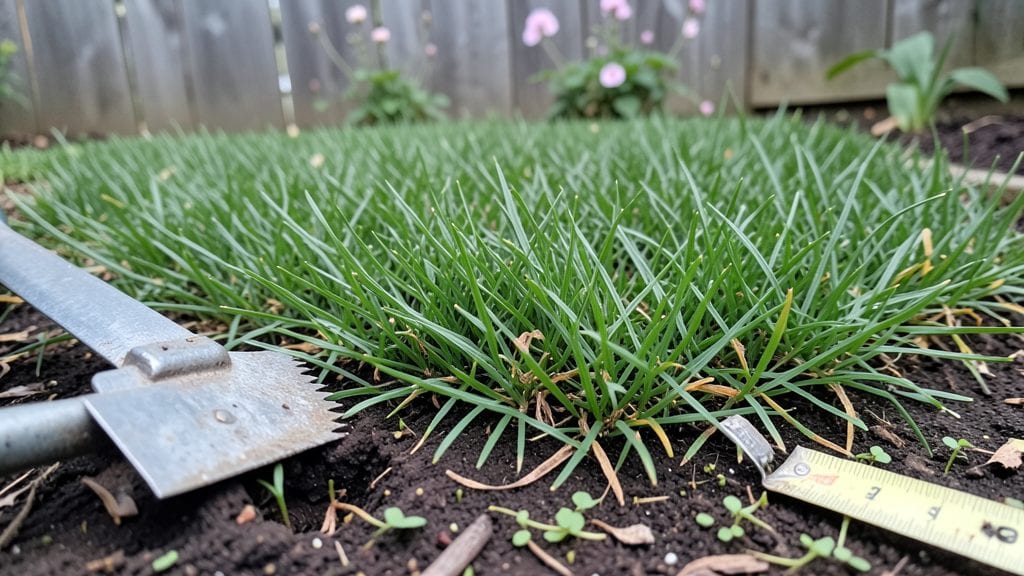
To determine how tall to let new grass grow before cutting, aim for 3 to 4 inches—this height encourages robust root development and resilience. Shorter cuts stress seedlings, while overgrowth can lead to scalping and patchy regrowth. Different grass varieties have unique needs, so adjust based on type: cool-season grasses like fescue may need slightly taller growth, while warm-season types like Bermuda do well at 2 to 3 inches initially.
Grass height before the first cut isn't just about appearance—it's about giving your lawn's foundation time to strengthen. 🌱 When blades reach 3 to 4 inches, they capture more sunlight for photosynthesis, which fuels deeper root systems that resist drought and disease.
I've noticed that grass cut too soon often develops a shallow root network, making it more vulnerable to heat stress. For example, Kentucky bluegrass thrives with slightly taller growth initially, while Bermuda grass adapts better to shorter cuts once established.
Timing also depends on your grass type's natural growth cycle. Cool-season grasses grow best when allowed to reach 3.5 to 4.5 inches before mowing, while warm-season types like St. Augustine can handle 2.5 to 3.5 inches without stress.
The key is to never remove more than one-third of the blade height in a single mowing—this rule prevents shock and promotes even regrowth. Always use sharp mower blades to avoid tearing grass, which creates entry points for pests and disease.
💡 In This Article
- Grass Root Development and Mowing Height Science
- Step-by-Step First Mowing Guide by Grass Type
Grass root development and mowing height science
Here's what's actually happening below the surface: when grass blades reach 3 to 4 inches, they trigger a biological response that prioritizes root growth. The plant's energy allocation shifts from rapid shoot expansion to strengthening its underground structure—a process called "root:shoot ratio optimization."
Studies show that grass with blades cut below 2 inches can reduce root depth by up to 40%, leaving it vulnerable to drought and heat stress. This is because shorter blades capture less sunlight, limiting photosynthesis and forcing the plant to divert energy to survival rather than growth.
The science gets even more interesting when comparing grass types. Cool-season grasses like tall fescue and Kentucky bluegrass have a natural tendency to grow taller initially (3.5-4.5 inches) because their growth cycle aligns with cooler temperatures.
Their leaves contain more chlorophyll per square inch, allowing them to photosynthesize efficiently even in lower light conditions.
Warm-season grasses like Bermuda and Zoysia, however, have a different strategy—they develop thicker, more drought-resistant leaves when cut slightly shorter (2.5-3.5 inches) because their growth peaks in summer's intense sunlight. 🌿 The key difference lies in their cellular structure: cool-season grasses have larger air spaces in their leaves for moisture retention, while warm-season types have denser cell walls that handle heat better.
What most people don't realize is how mowing height affects the grass's stress hormones. When blades are cut too short (a practice called "scalping"), the plant releases ethylene gas—a natural stress signal that triggers dormancy and weakens cell walls.
This is why you often see yellowing or thinning after aggressive mowing. The ideal scenario maintains a 1:1 root-to-shoot ratio—meaning for every inch of blade height, there should be roughly an inch of root depth.
When this balance is disrupted, the grass becomes less resilient to foot traffic, pests, and environmental changes. For example, a lawn with blades cut to 1.5 inches might have roots extending only 1.2 inches deep, compared to 3.5 inches of roots when blades are left at 3.5 inches.
The photosynthesis factor is often overlooked but critical. Grass blades act like tiny solar panels—longer blades capture more light, which translates to more energy stored as carbohydrates in the roots.
Research from the University of Nebraska shows that grass with blades at 4 inches can produce 30% more root biomass than grass cut to 2 inches over the same growth period. This extra energy helps the plant recover faster from mowing stress and compete with weeds.
The trade-off? Waiting too long risks uneven growth patterns, where some areas grow taller than others, making mowing less effective and potentially damaging the mower blade.
Seasonal variations also play a role in optimal mowing height. During spring and fall, when cool-season grasses are most active, you can safely let them grow slightly taller (4-5 inches) to maximize root development before the first frost.
Warm-season grasses, on the other hand, should be kept at 2.5-3.5 inches during their peak growing months (late spring to early fall) to prevent thatch buildup—a layer of dead grass that suffocates roots.
The texture difference is noticeable too: longer blades on cool-season grasses feel softer underfoot, while warm-season types develop a denser, more resilient texture when cut slightly shorter. 🌱
One practical example illustrates this well: a study on Kentucky bluegrass showed that plots mowed at 3.5 inches had 25% more root mass after 60 days compared to plots cut at 2 inches.
The deeper roots also absorbed 15% more water during drought periods, demonstrating how mowing height directly impacts a lawn's ability to withstand stress. This is why professional turf managers often recommend a "high-cutting" approach during establishment—it's not just about looks, but about building a stronger foundation for years to come.