
How To
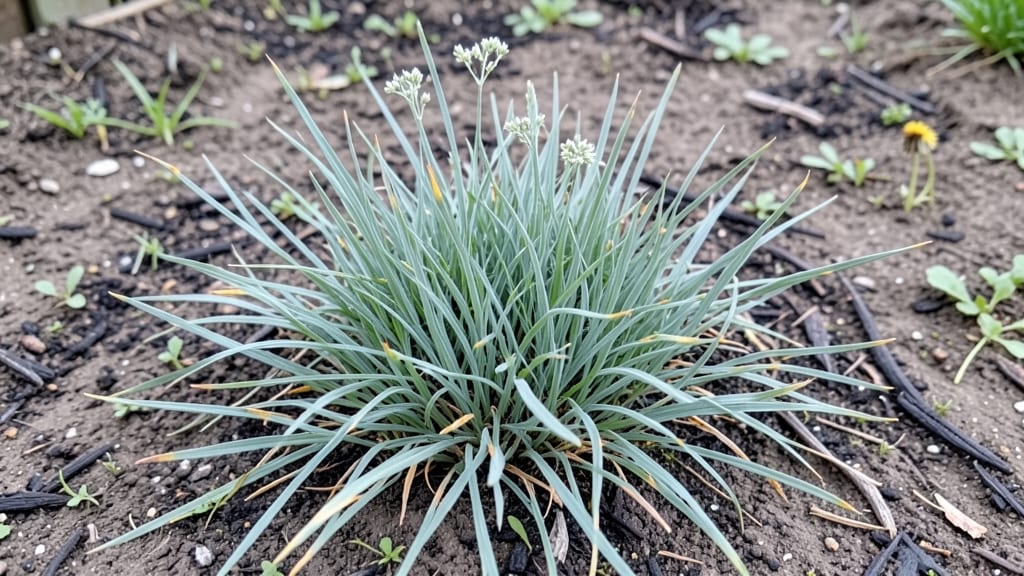
How tall grass grows depends entirely on its species, with turf grasses like Kentucky bluegrass maxing out at 2–4 feet, showstopper varieties such as fountain grass soaring to 6 feet, and low-maintenance options like fine fescue rarely exceeding 1 foot. Height potential shifts based on sunlight, soil quality, and how often you trim.
Grass height isn't just about genetics—it's a mix of biology and environment. 🌱 Sunlight triggers growth hormones, while nitrogen-rich soil acts like fertilizer, pushing stems upward.
For example, Kentucky bluegrass thrives in full sun and can double in height if left uncut, while fine fescue stays compact even with plenty of light. The key difference? Cool-season grasses like fescue grow slower in heat, while warm-season types like Bermuda grass stretch taller when temperatures rise.
If you're designing a landscape, this matters: tall ornamental grasses like pampas grass create natural privacy screens, while short varieties like buffalo grass need minimal mowing. I've seen homeowners struggle when they plant the wrong type—like using tall fountain grass in a small yard where it quickly outgrows its space.
Always match your grass choice to both your goals and growing conditions.
💡 In This Article
- Grass Growth Factors: Sunlight, Soil, and Species
- Best Grass Types for Different Height Goals
Grass growth factors: sunlight, soil, and species
Sunlight is the primary driver of grass height because it triggers photosynthesis, which produces the energy needed for vertical growth. Grasses that thrive in full sun—like Kentucky bluegrass—can grow 2-4 feet tall when unchecked, thanks to their ability to convert sunlight into rapid stem elongation.
The process involves plant hormones called gibberellins, which stretch cell walls in the stem, making blades longer. In shade, grasses like fine fescue stay shorter because they conserve energy for survival rather than growth. 🌞
Soil nutrients, especially nitrogen, act like a growth accelerator. Nitrogen promotes leaf and stem development, directly influencing height. For example, tall fescue can reach 3-4 feet in nitrogen-rich soil, while the same grass in poor soil might only hit 1-2 feet.
The root depth also matters—deeper roots (like in zoysia grass) stabilize taller growth by anchoring the plant against wind and heat stress. Without proper nutrients, even sun-loving grasses struggle to reach their full height potential.
Species classification plays a huge role too. C3 grasses (like Kentucky bluegrass) grow best in cooler climates and have slower growth rates, typically reaching 2-3 feet unless heavily fertilized. C4 grasses (like Bermuda grass) thrive in heat and can grow 1-2 feet taller because their photosynthetic efficiency allows faster energy production.
This is why Bermuda grass often outpaces cool-season types in southern climates. The key difference? C4 grasses have a more efficient carbon-fixing process that reduces water loss, letting them grow taller in drought conditions.
Root depth correlates directly with height potential. Grasses with shallow roots (0.5-1 foot, like fine fescue) stay compact, while deep-rooted varieties (2-3 feet, like tall fescue) can support taller growth. The deeper the roots, the more water and nutrients the plant can access, fueling upward expansion.
This is why ornamental grasses like maiden grass (with roots up to 3 feet) can reach 5-6 feet tall—their extensive root systems act like a built-in irrigation and nutrient delivery system.
What most people don't realize is how mowing habits interact with these factors. Regular mowing at 1/3 of the blade height encourages denser, shorter growth, while infrequent trimming lets grasses grow to their natural height.
For example, leaving pampas grass uncut can push it to 10 feet in ideal conditions, while frequent trimming keeps it manageable. The rule of thumb? Mow at the top third of the blade to maintain health without stunting growth potential. ✂️
Environmental stress also plays a role. Drought or poor soil can stunt growth by 30-50%, while ideal conditions let grasses reach their maximum height.
For instance, orchard grass (a C3 type) might only hit 2 feet in dry climates but can soar to 4 feet with proper water and fertilizer. Understanding these factors helps you choose the right grass for your space and climate.