
Plants
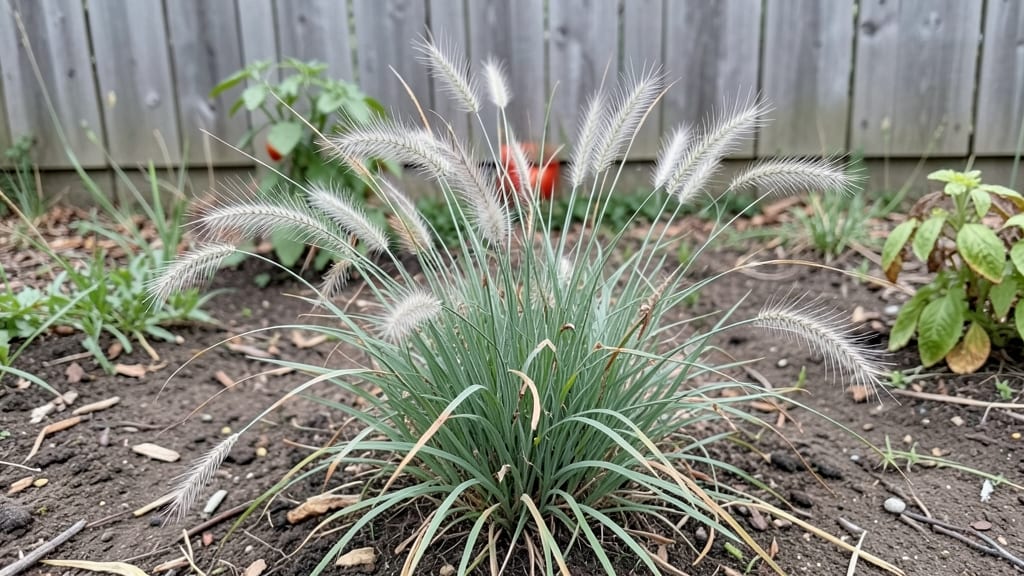
Growing ornamental grass Bunny Tails 🌿 transforms any garden into a whimsical, low-maintenance showstopper with its cloud-like plumes.
If you crave lush, textured foliage that thrives year-round with minimal fuss, this grass is your perfect solution—fluffy, drought-tolerant, and effortlessly charming. Unlike high-maintenance perennials, Bunny Tails thrives in partial shade and even tolerates dry spells once established.
Whether you're designing a border, filling a container, or adding seasonal drama to mixed plantings, this grass brings textural contrast and movement to your space. Its cotton-candy-like plumes last from spring through fall, making it a standout for both beginners and seasoned gardeners.
Below, I’ll show you how to plant, style, and care for Bunny Tails to create year-round visual interest—plus the best companion plants to pair with it for maximum impact.
Why Bunny Tails ornamental grass stands out for year-round garden drama
There’s something magical about Bunny Tails ornamental grass (Lagurus ovatus) that instantly elevates any garden space. Its signature cotton-candy-like plumes transform borders and containers into whimsical focal points, while its drought-tolerant nature makes it a dream for low-maintenance landscapes.
Unlike finicky annuals, this perennial grass delivers seasonal interest from spring blooms to winter texture, proving it’s more than just a pretty face.
What truly sets Bunny Tails apart is its versatility. Whether you’re designing a modern minimalist garden or a rustic cottage-style yard, this grass adapts effortlessly.
It thrives in USDA Zones 6-10, tolerates poor soil conditions, and even handles light foot traffic—perfect for pathways or pollinator-friendly meadows. Its airy, feathery plumes also make it a star in dried floral arrangements, extending its beauty beyond the garden.
| Characteristic | Details |
|---|---|
| Growth Habit | Clumping, 2-3 ft tall, 1-2 ft wide; forms dense mounds |
| Flowering Season | Spring to early summer; produces cotton-candy plumes that last weeks |
| Sunlight Needs | Full sun to partial shade; 6+ hours sun for best plumes |
| Soil Preferences | Well-draining; tolerates sandy, clay, or loamy soil; pH 6.0-7.5 |
| Water Requirements | Drought-tolerant once established; water deeply weekly during first year |
| Cold Hardiness | Survives USDA Zones 6-10; winter interest with dried plumes |
| Design Uses | Borders, containers, pollinator gardens, dried arrangements, textured backdrops |
| Maintenance Level | Low-maintenance; cut back in late winter to encourage new growth |
One of my favorite features is how Bunny Tails elevates seasonal transitions. In spring, its soft pinkish plumes contrast beautifully with purple clematis or blue delphiniums.
By summer, the dried plumes add whimsical texture to wedding bouquets or table centerpieces, while in fall and winter, the tan seed heads provide structure and movement in snowy landscapes. It’s truly a year-round workhorse that never goes out of style.
The grass’s compact size (typically 2-3 feet tall) makes it ideal for small-space gardens, balcony containers, or even hanging baskets. Pair it with lavender for a Mediterranean vibe or black-eyed Susans for a wildflower meadow feel.
Its airy plumes also soften modern hardscapes, like stone pathways or wooden decks, adding a touch of organic elegance without overwhelming the space.
For those in drought-prone areas, Bunny Tails is a game-changer. Once established, it requires minimal watering, making it perfect for xeriscaping or water-wise gardens. I’ve seen it thrive in full sun desert landscapes and shady woodland gardens alike, proving its adaptability.
This multi-season performer even attracts butterflies and bees, boosting your garden’s ecological value while keeping maintenance simple.
What I love most about Bunny Tails is how it transforms ordinary spaces into extraordinary focal points. Whether you’re lining a garden path, filling a large container, or adding height to a flowerbed, its feathery plumes draw the eye and spark joy.
The best part? It multiplies easily—simply divide clumps in spring or collect seeds from dried plumes to share with fellow gardeners. With zero fuss and maximum impact, Bunny Tails is the ultimate low-maintenance star for any garden.
If you’re ready to add texture, movement, and seasonal drama to your outdoor space, Bunny Tails ornamental grass is the effort
How to plant and care for Bunny Tails grass: a step-by-step guide
Transforming your garden into a whimsical retreat starts with Bunny Tails ornamental grass, whose cotton-candy plumes add texture and movement. This drought-tolerant perennial thrives with minimal care, making it perfect for beginners and busy gardeners alike.
Whether you're planting in containers or garden beds, following these steps ensures your grass stays lush and fluffy year-round.
Bunny Tails grass grows best in well-draining soil with full sun to partial shade. Its airy, rabbit-fur-like foliage reaches 2-3 feet tall and spreads 1-2 feet wide, creating a soft, billowy look.
With the right care, it blooms from late spring to early summer, offering seasonal interest that lasts well into fall.
Planting Bunny Tails Grass
- Choose the right location: Select a spot with 6+ hours of sunlight and well-draining soil. Avoid waterlogged areas to prevent root rot.
- Prepare the soil: Loosen the soil to a depth of 12 inches and mix in compost or aged manure for nutrients.
- Plant in spring or early fall: Space plants 12-18 inches apart in containers or garden beds. Dig a hole twice as wide as the root ball.
- Water thoroughly after planting: Soak the soil to help roots establish. Use 1 gallon of water per plant for the first week.
Ongoing Care
- Water deeply but infrequently: Newly planted grass needs weekly watering, while established plants thrive on every 10-14 days.
- Fertilize in spring: Apply a balanced fertilizer (10-10-10) once in early spring to encourage growth.
- Prune in late winter or early spring: Cut back dead foliage to 2-3 inches to promote new growth.
- Divide every 3-4 years: Split clumps in early spring to rejuvenate growth and prevent overcrowding.
In spring, focus on removing dead growth and adding a light layer of mulch to retain moisture. This is also the best time to divide overgrown clumps or transplant to new locations.
During summer, reduce watering slightly—Bunny Tails grass is drought-tolerant once established, so let the soil dry slightly between waterings.
As fall approaches, cut back spent plumes but leave some for winter interest. The tan, fluffy seed heads add texture to winter gardens. In winter, avoid fertilizing; instead, protect young plants with mulch or burlap if temperatures drop below 20°F.
Most varieties are hardy to USDA Zone 5, so they’ll bounce back in spring.
Avoid these common mistakes to keep your Bunny Tails grass thriving: overwatering (which causes root rot), planting in shady spots (reducing fluffiness), and skipping seasonal pruning (which leads to leggy growth). With the right care, your grass will reward you with years of effortless beauty.