
Plants
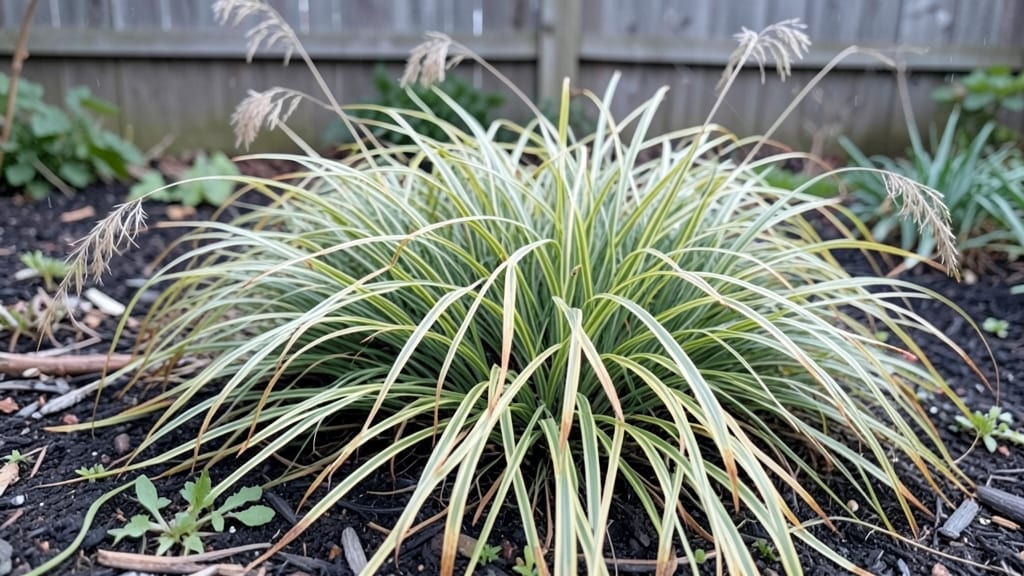
Growing Japanese variegated grass 🌿 is your ticket to effortless, year-round texture in any garden corner—no fancy skills required.
Imagine lush, golden-and-green foliage that thrives year-round with minimal effort—Japanese variegated grass delivers exactly that, making it a standout choice for modern gardens and low-maintenance landscapes.
This ornamental grass handles partial shade like a champ, survives USDA Zone 6a winters, and even tolerates drought once established. Perfect for beginners or busy gardeners, it adds height and movement without the fuss of pruning or deadheading.
In this guide, you’ll learn the exact planting window (spring, after your last frost), soil secrets for lush growth, and how to keep it thriving through winter—plus creative ways to use it as a border, ground cover, or container star.
Why Japanese variegated grass stands out: unique features and benefits
Japanese variegated grass, scientifically known as Hakonechloa macra, is a game-changer for gardeners seeking low-maintenance beauty with high visual impact. Its cascading, gold-and-green striped foliage creates a striking contrast that brightens any garden space, whether used as a standalone specimen or in mixed borders.
Unlike many ornamental grasses, this variety thrives in partial shade, making it perfect for shady areas where other plants struggle.
The plant's arching growth habit reaches 18-24 inches tall at maturity, creating a graceful, fountain-like shape that adds movement and texture to landscapes. Its cold-hardy nature (USDA zones 5-9) ensures it stays vibrant even through winter, providing year-round interest without the need for deadheading or pruning.
This makes it an ideal choice for gardeners who want easy-care plants that deliver big rewards.
One of its standout features is its drought tolerance once established. While it prefers consistent moisture during its first year, mature plants can handle dry spells better than many ornamental grasses, reducing the need for frequent watering.
This adaptability makes it perfect for water-wise gardens or areas with inconsistent rainfall patterns.
The plant's versatile foliage patterns come in several cultivars, including the popular 'Aureola' with golden stripes and 'Albo-Variegata' featuring cream-and-green variegation. These variations allow you to mix and match colors to create customized garden designs that stand out.
Whether you're aiming for a modern minimalist look or a whimsical cottage garden, this grass delivers.
Japanese variegated grass also excels in container gardening, making it a fantastic option for patios, balconies, or small spaces. Its compact size and elegant form fit beautifully in pots, where it can spill over edges or be paired with other shade-loving plants like heucheras or ferns.
The plant's non-invasive roots mean it won't outgrow its container quickly, reducing the need for frequent repotting.
Beyond its aesthetic appeal, this grass offers practical benefits for gardeners. It acts as a natural ground cover, suppressing weeds and reducing soil erosion in sloped areas. Its low-maintenance nature means you won't spend hours pruning or fertilizing—just enjoy its beauty with minimal effort.
Even in urban environments with air pollution, it continues to thrive, making it a resilient choice for city gardens.
Here’s a quick summary of why this grass is a must-have for your garden:
| Feature | Details |
|---|---|
| Foliage Pattern | Golden-and-green striped or variegated |
| Growth Habit | Arching, fountain-like, 18-24 inches tall |
| Sunlight Needs | Partial shade (2-4 hours morning sun) |
| Water Requirements | Medium (drought-tolerant once established) |
| Cold Hardiness | USDA zones 5-9 (survives winter) |
| Maintenance Level | Very low (no pruning or fertilizing needed) |
| Design Versatility | Containers, borders, ground cover, or focal point |
What truly sets Japanese variegated grass apart is its ability to elevate garden aesthetics without demanding special care. Unlike high-maintenance plants that require constant attention, this grass thrives with minimal intervention while adding year-round color and texture to your landscape.
Its adaptability to various climates and low water needs make it a sustainable choice for eco-conscious gardeners.
In shady gardens, where many plants struggle, Japanese variegated grass shines brightest. Its golden foliage contrasts beautifully with darker leaves, creating a visual focal point that draws the eye.
Pair it with hostas or astilbes for a lush, layered look, or use it alone in a modern planter to add a pop of color to a patio or balcony.
Even in urban settings, where space is limited and conditions can be harsh, this grass performs exceptionally. Its resilience to pollution and ability to thrive in containers make it a top pick for city dwellers who want to bring nature into small spaces.
Whether you're a beginner gardener or a seasoned pro, this plant offers effortless beauty that’s hard to beat.
For those concerned about winter care, rest assured—Japanese variegated grass stays green and vibrant through the colder months. While it may brown slightly in freezing temperatures, it bounces back quickly in spring without needing extra protection.
This year-round interest is a major selling point for gardeners who want consistent visual appeal without the hassle of seasonal replacements.
In summary, Japanese variegated grass is a standout performer that combines stunning foliage, easy care, and versatile design options. Whether you're looking to
Step-by-step guide to planting and maintaining Japanese variegated grass
Japanese variegated grass (Hakonechloa macra) thrives with minimal fuss, but proper planting and care ensure its stunning golden-and-green foliage stays vibrant all year.
The key lies in well-draining soil, partial shade, and consistent moisture—avoid soggy roots or harsh afternoon sun, which can scorch its delicate blades. This grass adapts beautifully to containers or garden beds, making it perfect for modern landscapes where low-maintenance plants shine.
Before diving in, gather your supplies: organic compost, mulch, a garden trowel, and gloves for protection. Timing matters too—plant in early spring after the last frost (around April 15 in most USDA Zone 6a regions) or in early fall for a head start.
Pro tip: Choose a spot with dappled sunlight or morning sun to highlight its variegated patterns without stressing the plant.
Planting Japanese Variegated Grass
- Step 1: Dig a hole twice as wide as the root ball but only as deep to avoid burying the crown.
- Step 2: Amend the soil with 1 part compost to 3 parts native soil for better drainage and nutrients.
- Step 3: Gently remove the plant from its container, loosen roots, and place it in the hole at the same depth as it was growing.
- Step 4: Space plants 12–18 inches apart to allow airflow and prevent overcrowding.
- Step 5: Backfill with amended soil, pressing lightly to eliminate air pockets, then water deeply to settle roots.
- Step 6: Apply a 2-inch layer of mulch around the base (not touching the crown) to retain moisture and suppress weeds.
Watering is critical in the first 4–6 weeks to establish roots. Aim for a deep soak every 5–7 days (or when the top inch of soil feels dry), but avoid waterlogging. Once established, reduce to weekly watering in spring/fall and bi-weekly in summer, adjusting for heat waves.
A drip irrigation system or soaker hose keeps moisture consistent without wetting foliage, reducing disease risk.
Seasonal care keeps your grass lush year-round. In spring, apply a light fertilizer (10-10-10) to encourage new growth, but skip fertilizing in summer and fall—focus on watering and mulching.
In winter, reduce watering to monthly light soaks unless temperatures drop below 10°F, where extra mulch protects roots. Prune back any brown or damaged foliage in early spring to make room for fresh growth.
Propagate for free by dividing clumps in early spring or fall. Dig up the plant, separate the root ball into 3–4 inch sections, ensuring each has roots and shoots, then replant immediately. This method also rejuvenates older plants.
Common mistakes to avoid include overcrowding (which causes weak growth) and using heavy clay soil (which suffocates roots). With these steps, your Japanese variegated grass will thrive as a year-round focal point with almost no effort.