
Landscaping
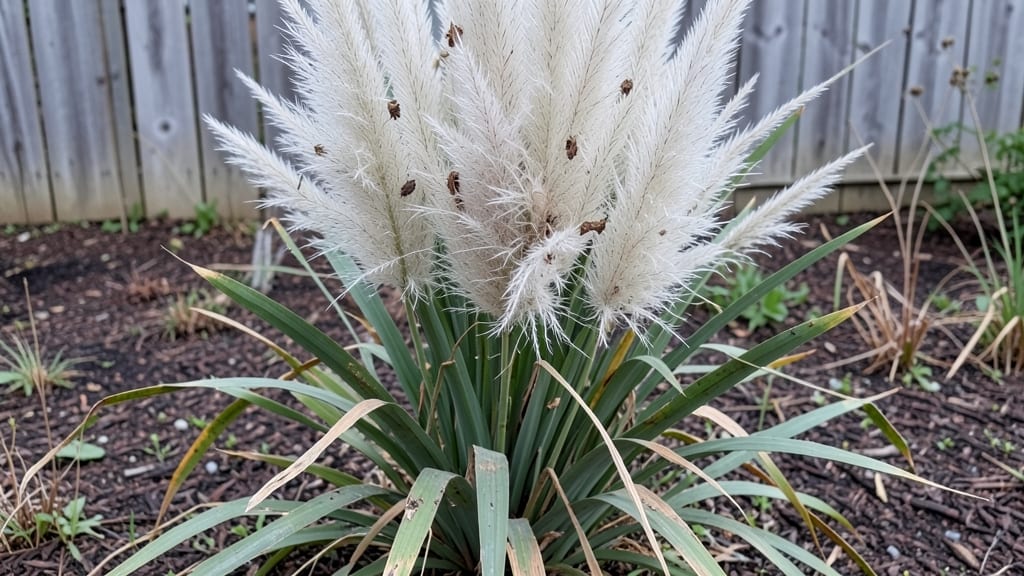
Large pampas grass plants 🌿 are the secret weapon for turning any garden into a showstopper with year-round drama—their feathery plumes swaying like natural tassels against any backdrop.
Picture this: a 12-foot statement plant that thrives on neglect, adds movement to still spaces, and blooms from summer straight into winter. But here’s the catch—planting them too close or in the wrong soil can turn that dream into a flop. I’ve seen it happen (and fixed it).
These grasses aren’t just for big estates. Whether you’re framing a patio, creating a windbreak, or adding height to a modern border, pampas grass delivers instant impact with minimal effort. The key? Knowing which variety suits your climate and how to keep them looking their best.
Below, I’ll walk you through the top varieties for your zone, the easiest planting tricks to avoid common mistakes, and creative ways to pair them with other plants for maximum wow factor.
Best large pampas grass varieties for year-round landscape drama
Large pampas grass (Cortaderia selloana) is a showstopper in any landscape, offering architectural height and plume-filled drama that dances in the breeze.
Whether you're designing a coastal garden, a modern minimalist space, or a wildflower meadow, the right variety can transform your outdoor area into a year-round masterpiece.
But not all pampas grass is created equal—some thrive in humid climates, while others handle dry heat or cold winters with ease.
To help you choose, I’ve compared the top 5 large pampas grass varieties based on height, plume color, hardiness zones, and seasonal interest. Each variety brings its own unique flair, so let’s dive into the details to find your perfect match.
⚠️ Pro Tip: Always check your USDA hardiness zone before planting—some varieties struggle in Zone 5 or below, while others flourish in Zone 10 heat. A little research now saves heartache later!
🌿 Visual Comparison: Below, you’ll find a side-by-side breakdown of the best large pampas grass varieties, including their mature height, plume colors, and ideal growing conditions. Use this as your guide to pick the perfect variety for your garden’s style and climate.
Now that you’ve seen the key differences between these varieties, let’s explore which one might be the best fit for your garden. If you live in a coastal climate like Zone 8–10, the 'Pink Feather' or 'Sunningdale Silver' varieties will thrive, offering year-round texture even in mild winters.
Their soft plumes also make them ideal for wedding venues or photogenic backdrops.
For colder climates (Zones 6–7), the 'Alba' variety is a standout. It’s more winter-hardy than most, with creamy plumes that add a touch of elegance to
How to plant and maintain large pampas grass for maximum impact
Large pampas grass (Cortaderia selloana) transforms any garden into a stunning visual spectacle with its towering feathery plumes and architectural form. To achieve that dramatic impact, proper planting and maintenance are essential.
I’ve planted these beauties in my own xeric landscapes and learned the key secrets to keeping them thriving year after year.
These grasses thrive in full sun conditions and well-draining soil, but their aggressive root systems demand careful planning. Whether you're creating a privacy screen or a focal point, following the right steps ensures your pampas grass reaches its full potential without becoming a maintenance nightmare.
⚠️ Warning: Invasive Potential!
Large pampas grass has aggressive rhizomes that can spread rapidly, making it invasive in some regions. Before planting, check your local regulations—some states prohibit its growth. If concerned, opt for sterile cultivars or contain roots with underground barriers.
Start by selecting the perfect planting location with at least 6 hours of sunlight. Amend heavy clay soil with organic matter like compost to improve drainage, as soggy roots lead to root rot.
Dig a hole twice as wide as the root ball but only as deep, ensuring the crown sits level with the soil surface.
Spacing is critical—plant 4-6 feet apart for mature size, allowing room for their wide-spreading roots. If using as a windbreak, space them 8-10 feet apart for optimal airflow. Water deeply after planting to settle the soil, then reduce frequency as roots establish over 4-6 weeks.
Pruning is key to maintaining their neat appearance. Cut back old plumes in late winter or early spring before new growth emerges, using clean, sharp shears. Avoid cutting into the crown center, as this can harm the plant.
In USDA Zone 7 and colder, protect young plants with mulch or burlap wraps during harsh winters.
Once established, large pampas grass is remarkably low-maintenance. Water deeply but infrequently—every 10-14 days in summer—and avoid overhead watering to prevent fungal issues. A light spring feeding with 10-10-10 fertilizer promotes lush growth, but skip fertilizing in summer or fall.
With proper care, your pampas grass will reward you with year-round interest, from silver plumes in summer to textural winter beauty. Place it strategically near patios or entryways to create a grand entrance or use it to soften modern architectural lines in contemporary gardens. 🌿