
Lawn
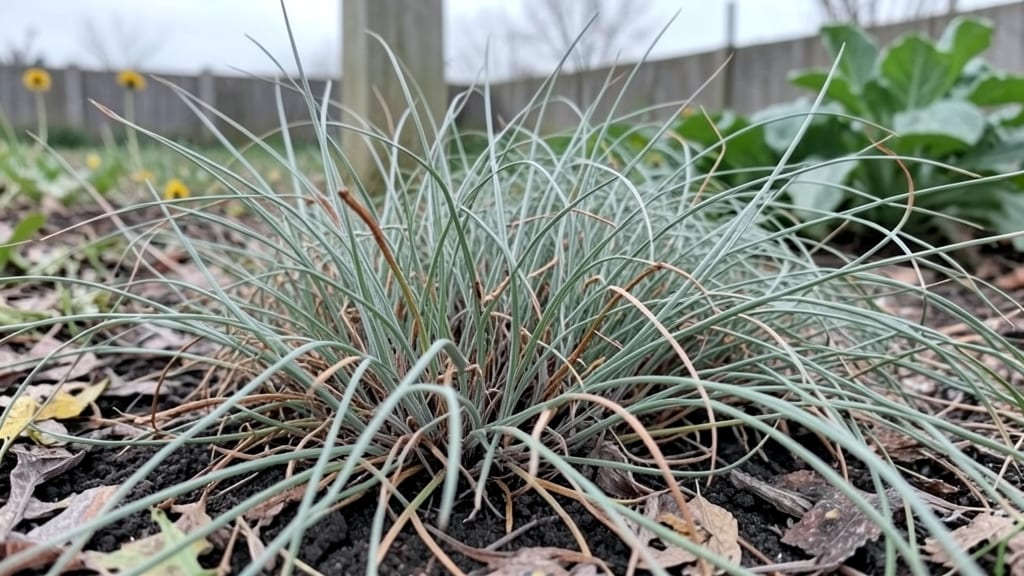
Eradicating monkey grass weed from your lawn feels like fighting a stubborn neighbor—it just won’t leave. 🌱 I’ve spent years wrestling with this invasive ground cover, and I’ve finally cracked the code to removing it without poisoning your grass or breaking your back.
The key isn’t brute force; it’s smart timing, the right tools, and a little patience.
Here’s the thing—monkey grass (Liriope muscari) thrives because it spreads underground through thick rhizomes. Digging it up by hand only fragments the roots, making the problem worse.
Instead, we’ll focus on three targeted steps: cutting back the foliage to weaken it, smothering the roots with thick mulch or cardboard, and applying a selective herbicide only where needed. No more yanking weeds that keep coming back.
Within 4-6 weeks, you’ll see the grass reclaim space where monkey grass once ruled. The lawn will look thicker, the soil healthier, and you’ll finally have the control you’ve been missing. Best of all, this method protects your grass while still getting rid of the invader for good.
Works for shady spots, sunny lawns, and even between pavers—just adjust the timing for your climate. Let’s get that lawn back to looking effortless, not overrun.
Why it happens
Monkey grass weed—also known as World Grass or Natal Grass—can turn your lush lawn into an invasive battleground if left unchecked. Understanding why it thrives helps you tackle it effectively. Below, we break down the key reasons this persistent weed takes over, backed by science and actionable insights.
🌱 Aggressive Seed Dispersal
Monkey grass spreads primarily through tiny, windborne seeds that can travel miles from the parent plant. Each mature stalk produces thousands of seeds per year, and they germinate rapidly in ideal conditions.
Unlike many weeds, its seeds remain viable in the soil for years, waiting for the right moment to sprout. If your lawn has even a single patch, expect new growth within weeks—especially after mowing, which stirs up dormant seeds.
🌡️ Favorable Growing Conditions
This weed thrives in warm climates (USDA Zones 8-11) but adapts surprisingly well to cooler regions during mild winters. Key triggers include:
- Full sun exposure: Monkey grass loves 6+ hours of direct sunlight daily and outcompetes shade-tolerant grasses.
- Poor soil drainage: It flourishes in compacted or waterlogged soil, where native grasses struggle.
- High nitrogen levels: Over-fertilizing with nitrogen-rich lawn foods (like 20-5-10 blends) can fuel its growth, as it absorbs nutrients faster than turfgrass.
- Drought tolerance: Once established, it survives prolonged dry spells better than many lawn grasses, making it a resilient invader.
Pro Tip: 🌡️ Test your soil’s pH (ideal: 6.0–7.0) and drainage—monkey grass exploits imbalances here.
🔄 Weak or Damaged Lawns
Healthy turfgrass acts as a natural barrier, but monkey grass exploits gaps created by:
- Thin or bare patches: Even small 1-inch gaps in your lawn give it a foothold. It spreads via rhizomes (underground stems), which can creep up to 12 inches per year.
- Improper mowing: Cutting grass too short (below 2–3 inches) stresses the lawn, while infrequent mowing allows monkey grass to flower and seed uncontrollably.
- Foot traffic or construction: Disturbed soil exposes fresh seeds to sunlight, accelerating germination.
Science Note: Monkey grass’s rhizomes produce auxin hormones, which suppress nearby grass growth—essentially choking your lawn from below.
🌍 Lack of Natural Predators
Unlike some weeds, monkey grass has few natural enemies in U.S. lawns. While deer and some insects may nibble on young shoots, they rarely eradicate it.
Its fast growth rate (up to 12 inches/month) and deep root system (reaching 6+ inches) make it nearly immune to casual grazing or light herbicide treatments. Without intervention, it dominates within 1–2 growing seasons.
How to solve it
Dealing with an aggressive monkey grass (or Dactyloctenium aegyptium) infestation can feel like a never-ending battle, but with the right strategies, you can reclaim your lawn without resorting to harsh chemicals.
Below are targeted solutions based on the most common causes of spread—plus prevention tips to keep it from returning.
###
🌱 Overcrowded or Weak Grass → Thin It Out
If your lawn is already struggling, monkey grass thrives in the gaps. The fix? Strengthen your turf so it outcompetes the invader.
- 🔥 Step 1: Aerate the Soil Rent a core aerator to pull small plugs from your lawn, breaking up compacted soil. This lets roots breathe and encourages deeper grass growth.
- 🍳 Step 2: Overseed Bare Spots Choose a dense, competitive grass like tall fescue or Bermuda grass. Spread seed evenly and cover lightly with straw to retain moisture.
- 🌡️ Step 3: Fertilize Smartly Use a slow-release, nitrogen-rich fertilizer (like 24-0-6) in early spring or fall. Avoid over-fertilizing—monkey grass loves excess nutrients too!
💡 Pro Tip: Water deeply after seeding (1 inch per week) to help new grass establish before monkey grass can take over.
###
🌞 Poor Sunlight or Moisture Issues → Adjust Care Routine
Monkey grass often moves into shady or overly moist areas where your lawn struggles. Fix the environment to discourage it.
- 👨🍳 Step 1: Improve Drainage If your lawn stays soggy, amend the soil with compost or sand to improve water flow. For low spots, consider a slight slope or French drain.
- ⏰ Step 2: Water at the Right Time Water early morning (5–9 AM) to reduce humidity, which monkey grass loves. Aim for 1–1.5 inches per week—deep and infrequent watering stresses out weeds.
- 🌿 Step 3: Thin Dense Shade If monkey grass is creeping into shady patches, prune overhanging trees or consider shade-tolerant grass varieties like fine fescue.
✨ Prevention: Mulch garden beds with wood chips or pine straw to block light and suppress weed seeds.
###
🔪 Existing Patches → Manual & Chemical Control
For stubborn clumps, combine physical removal with targeted treatments to prevent regrowth.
- 🔪 Step 1: Pull or Dig It Out
- Use a weed puller or hand trowel to remove entire roots (monkey grass spreads via stolons).
- For large areas, a sod cutter can help extract thick patches.
- 💊 Step 2: Spot-Treat with Herbicide Use a selective post-emergent herbicide like glyphosate (for non-lawn areas) or mesotrione (for lawns). Follow label instructions carefully!
- 🌱 Step 3: Solarize or Smother
- Solarization: Cover the area with clear plastic sheeting for 4–6 weeks in hot sun to kill remaining roots.
- Smothering: Lay down cardboard + mulch to block light for 3–4 months before reseeding.
🎯 Warning: Avoid herbicides with 2,4-D if your lawn has clover—monkey grass can become more resilient.
###
🛡️ Prevention for Next Season → Long-Term Defense
Stop monkey grass from staging a comeback with these habits:
| Action | How to Do It |
|---|---|
| 🌱 Mow High | Keep grass at 3–4 inches to shade out weeds and crowd them out. |
| 📅 Seasonal Maintenance | Apply pre-emergent herbicide in early spring (like prodiamine) to block seeds. |
| 🧹 Clean Up Debris | Remove leaves, thatch, and grass clippings from the lawn—monkey grass seeds hitchhike on them! |
| 🔍 Inspect Edges | Check sidewalks, driveways, and garden borders regularly—monkey grass often invades from cracks or thin soil. |
💡 Bonus: Train kids/pets to avoid walking on moist lawns—compacted soil gives weeds a foothold.
Frequently asked questions about world grass (monkey grass) removal
Why does monkey grass spread so aggressively in my lawn?
This invasive ground cover thrives because it spreads through underground rhizomes that can creep 12 inches per year. Its thousands of windborne seeds stay viable in soil for years, while its deep roots (up to 6+ inches) outcompete turfgrass for nutrients and water in USDA Zones 8-11. Poor drainage and compacted soil only accelerate its takeover.
Is pulling monkey grass by hand effective?
No—this actually makes it worse! When you pull it, you break the rhizomes into fragments, creating more plants. Instead, use a sod cutter to remove entire patches or apply cardboard + mulch to smother the roots for 3-4 months before reseeding with competitive grass like Bermuda or tall fescue.
Can I use vinegar to kill monkey grass?
Yes, but with caution! A 20% vinegar solution (1 part vinegar to 4 parts water) sprayed directly on leaves will kill it within 24-48 hours. However, it won’t reach the rhizomes, so repeat treatments are needed. For best results, combine with solarization (clear plastic sheeting) for 4-6 weeks in hot sun.
What’s the best time of year to treat monkey grass?
Target it in early spring (March-April) when new shoots emerge, or in late summer (August-September) before it goes dormant. Apply pre-emergent herbicide like prodiamine in February to block seeds. Avoid treating in winter—roots stay active in mild climates.
Will monkey grass grow back after I remove it?
Almost certainly if you don’t address the roots! Even small rhizome fragments left in soil can regrow. To prevent recurrence, combine removal with soil solarization or smothering, then overseed with dense grass varieties. Monitor edges of driveways/pavers—this is where it often reinvades from cracks.