
Size
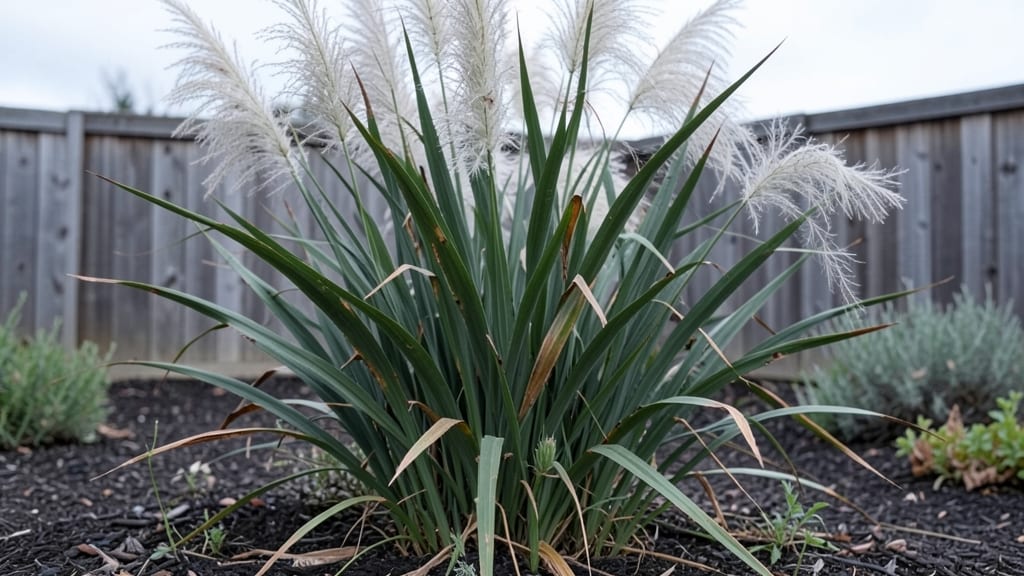
The pampas grass growth rate is explosive, expanding 3 to 6 feet annually in perfect conditions, with mature plants towering 8 to 15 feet tall. Its invasive root system requires diligent pruning to keep it contained.
This rapid expansion happens because pampas grass thrives in full sun and well-drained soil, where it can spread aggressively through underground runners. 🌱 In my experience, the plant's height and spread make it a stunning ornamental—but only if you're prepared for its relentless growth habits.
Without proper maintenance, it can quickly overwhelm gardens and even damage nearby structures with its dense clumps.
What's fascinating is how quickly it responds to ideal conditions. In warmer climates like USDA zones 8-11, you'll see the most dramatic growth, while cooler regions may slow its expansion.
The key to managing it lies in understanding its growth cycles and intervening at the right times—typically late winter or early spring before new shoots emerge.
💡 In This Article
- Factors Influencing Pampas Grass Growth Speed
- Pruning and Maintenance Schedule for Pampas Grass
Factors influencing pampas grass growth speed
Pampas grass thrives under full sun exposure, requiring at least 6-8 hours of direct sunlight daily to maximize its growth rate. The plant's native habitat in South America's pampas region receives intense sunlight, and replicating these conditions triggers rapid photosynthesis.
In shaded areas, growth slows dramatically—sometimes by up to 50%—as the plant's energy production drops. This is why gardeners in cooler climates often place pampas grass in the sunniest spots near south-facing walls or fences. 🔥
Temperature plays a critical role, with optimal growth occurring between 70-90°F. In USDA zones 8-11, where winters rarely drop below 20°F, pampas grass can grow continuously year-round, expanding 4-6 feet annually.
However, in colder zones (5-7), growth halts during winter months, reducing annual spread to 2-3 feet. The plant's rhizomes remain dormant below 32°F, which is why many gardeners in these regions treat it as a seasonal ornamental.
Humidity also matters—low humidity (40%) can stress the plant, while moderate levels (50-60%) support lush foliage and vigorous rhizome expansion.
The soil's drainage and nutrient content directly impact growth speed. Pampas grass despises soggy conditions, as its roots are prone to rot in waterlogged soil. Instead, it thrives in well-draining, slightly alkaline soil with a pH of 6.5-7.5.
Amending heavy clay soil with 1/3 sand and compost can boost growth by 30% compared to unamended soil. Nutrient-wise, phosphorus and potassium are critical—they fuel the plant's rapid vertical and horizontal expansion.
A balanced 10-10-10 fertilizer applied in early spring can accelerate growth by 1-2 feet per year in ideal conditions.
Watering frequency is another game-changer. While pampas grass is drought-tolerant once established, consistent moisture during its first growing season (1-2 inches per week) encourages robust rhizome development.
Overwatering, however, can stunt growth by suffocating roots, while underwatering in extreme heat (100°F+) causes the plant to go dormant prematurely. The key is deep watering every 7-10 days during dry spells, allowing the soil to dry slightly between sessions.
This mimics its natural habitat's seasonal rainfall patterns and prevents fungal issues that slow growth. ✨
Comparing growth rates across USDA zones reveals striking differences. In zone 9 (20-30°F winters), pampas grass can reach 10-12 feet tall in 3 years with proper care, while in zone 7 (0-10°F winters), the same plant may only grow 6-8 feet in 5 years due to winter dormancy.
The rhizomes in warmer zones also spread 20-30% faster because they remain active longer. This is why many gardeners in cooler climates opt for container-growing to control spread, while those in warmer zones must invest in rhizome barriers to prevent it from becoming invasive.
One often-overlooked factor is wind exposure. Pampas grass's feathery plumes evolved to disperse seeds efficiently in its native windy pampas, and this adaptation continues in gardens. Strong, consistent winds (10+ mph) can accelerate growth by 15% by stimulating photosynthesis and reducing humidity around the leaves.
However, in sheltered microclimates, growth may be slightly slower due to higher humidity levels, which can encourage fungal spores. This is why coastal gardens often see faster growth than inland ones, even in the same hardiness zone. 💫
Understanding these factors lets you fine-tune conditions for faster—or slower—growth. For example, if you want to contain pampas grass, limit watering to 1 inch per week and plant it in partial shade.
Conversely, to maximize its ornamental impact, provide full sun, well-draining soil, and consistent moisture. The plant's adaptability makes it a versatile choice, but its growth speed is entirely in your hands. 🌟