
How To
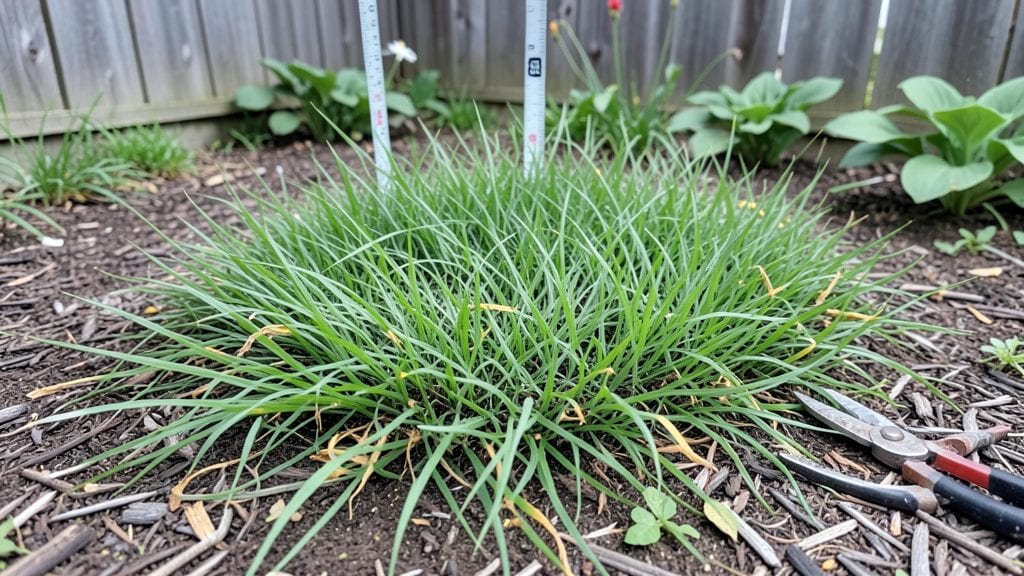
Bermuda grass can grow between 6 to 15 inches tall under ideal conditions, with aggressive varieties like Tifway or Riviera reaching up to 2 to 3 feet when properly maintained. Dwarf varieties remain under 3 inches, while standard types typically stay at 4 to 6 inches without regular trimming.
Bermuda grass height varies dramatically depending on the cultivar and growing conditions. 🌱 The aggressive varieties like Tifway or Riviera push toward 2-3 feet when given ample sunlight, nutrients, and water, while dwarf types like 'Mini Verde' stay compact at under 3 inches.
Even standard varieties can reach 6+ inches if left unchecked, though most homeowners maintain them between 1-2 inches for optimal density and disease resistance. The key difference lies in their genetic growth habits—some are bred for rapid vertical expansion, while others prioritize ground coverage over height.
What's fascinating is how climate plays a role. In southern regions where Bermuda thrives year-round, growth can be more aggressive, while northern climates see dramatic seasonal height fluctuations.
Proper mowing height—typically 1-2 inches—actually encourages denser growth rather than taller stems, preventing thatch buildup that can weaken the grass over time.
💡 In This Article
- Factors Influencing Bermuda Grass Height
- Best Mowing Practices for Bermuda Grass Height Control
Factors influencing Bermuda grass height
Bermuda grass height is primarily governed by its genetic makeup, but environmental factors amplify or suppress its natural growth tendencies. Warm-season grasses like Bermuda thrive when daytime temperatures consistently stay above 75°F, triggering rapid cell division and vertical expansion.
In southern climates where growing seasons last nearly year-round, varieties like Tifway can surge to 2-3 feet without intervention, while northern lawns experience dramatic seasonal height swings—shrinking to dormancy below 1 inch in winter months.
The relationship between root depth and stem length is fascinating: Bermuda's deep root system (often reaching 6-8 feet) provides the energy and stability for aggressive vertical growth. Shallow-rooted dwarf varieties like 'Patriot' stay compact because their roots max out at 2-3 feet, limiting nutrient uptake for tall stems.
Soil composition also plays a role—sandy soils drain quickly, forcing Bermuda to grow taller in search of moisture, while clay soils promote denser, shorter growth patterns due to restricted oxygen flow.
Water availability creates another critical variable. Bermuda grass responds to drought stress by growing taller and sparser to maximize sunlight exposure, a survival mechanism that can push heights to 18+ inches in extreme conditions.
Conversely, consistent 1-1.5 inches of weekly irrigation maintains optimal 1-2 inch heights by encouraging lateral spread over vertical growth. The science here involves plant hormones—drought triggers increased production of gibberellins, which promote stem elongation.
Nutrient levels further influence height dynamics. Excess nitrogen fertilization (especially in 100:0:0 ratios) produces lush but tall growth, while balanced 16-4-8 formulations promote shorter, denser turf.
What most homeowners don't realize is that phosphorus levels below 0.1% can stunt Bermuda's ability to develop strong root systems, indirectly limiting its potential height. The ideal soil pH range of 6.0-7.0 ensures optimal nutrient uptake for both root and stem development.
Climate zones create dramatic height variations: Bermuda in Florida's Zone 9-10 maintains 12-18 inch heights year-round, while Zone 7 lawns may see 8 inch peaks in summer followed by 1 inch dormancy in winter.
This seasonal behavior explains why northern Bermuda lawns often require more aggressive mowing schedules to control height spikes during the 6-month growing season.
The key takeaway is that Bermuda's height potential is a dynamic interplay between genetics and environment—mastering these factors lets you shape growth patterns to your lawn's needs.