
Fertilization
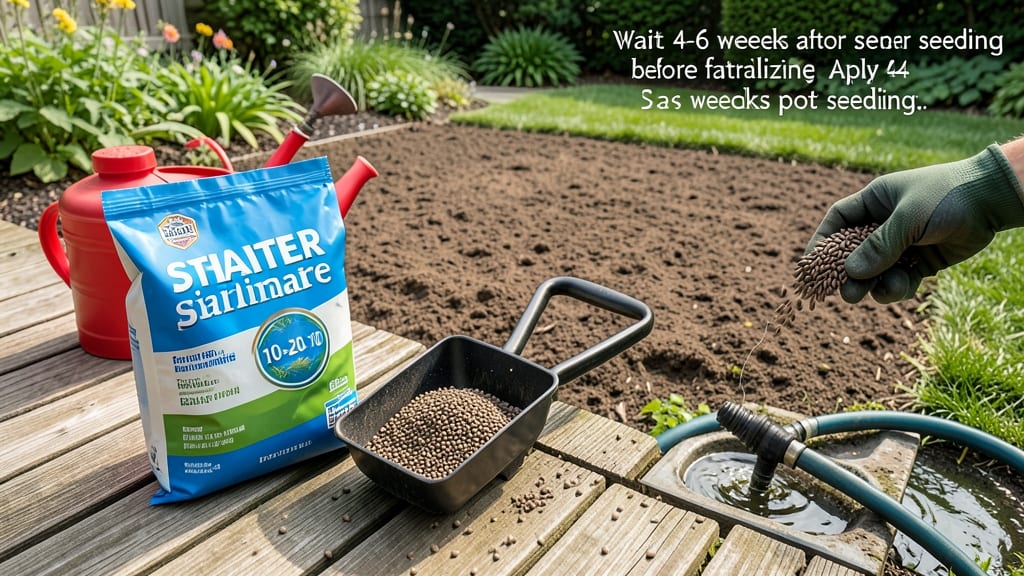
Fertilizing lawn grass after seeding waits 6 to 8 weeks to let roots establish before adding nutrients—skipping this step risks burning tender seedlings or stunting growth.
Picture this: you’ve just seeded your lawn, watering faithfully and watching those first green blades push through the soil. But here’s the catch—adding fertilizer too soon can overwhelm young roots, leaving you with patchy, weak grass instead of the lush carpet you envisioned.
Timing isn’t just a detail; it’s the difference between a thriving lawn and a frustrating do-over.
New grass seed needs time to grow strong roots before it can handle nutrients. Rushing the process can lead to seed burn or uneven growth, while waiting too long may leave your lawn vulnerable to weeds or stress.
The key is balancing patience with the right type of fertilizer—like a starter blend low in nitrogen—to give your grass the best possible start.
In this guide, I’ll break down the science behind the 6-8 week rule, how to spot when your lawn is truly ready for fertilizer, and the best products to use without risking damage.
You’ll also learn how to adjust for your climate and avoid common mistakes that turn a fresh seedbed into a disaster zone.
The 6-8 week rule: why timing matters for new grass seed
When you spread fresh grass seed across your lawn, the temptation to fertilize immediately is strong—after all, you want that vibrant green as fast as possible. But rushing the process can backfire.
The 6-8 week rule exists for a reason: it aligns with how grass roots develop and how fertilizers interact with young seedlings. Skipping this waiting period can lead to seed burn or stunted growth, leaving you with patchy, weak grass instead of the lush carpet you envisioned.
Young grass roots are delicate and focus all their energy on establishing a strong foundation. During the first 4-6 weeks, most of the seed's energy comes from its own food reserves.
Adding fertilizer too soon introduces excess nitrogen, which forces seedlings to grow leaves instead of roots—a trade-off that weakens their long-term resilience. Think of it like a baby learning to walk: you wouldn’t hand them a backpack full of books right away, would you?
The 6-8 week window is when grass roots typically reach about 3-4 inches deep, a critical milestone for stability and drought resistance. This deeper root system can then better absorb nutrients from future fertilizations.
Without this foundation, your lawn will struggle to handle heat, foot traffic, or dry spells later in the season. Patience here pays off in a lawn that stays green even during summer droughts.
Now, let’s talk science: fertilizers contain nitrogen (N), which is essential for leaf growth. But young grass seedlings don’t need much of it yet—they’re in their root establishment phase. Too much nitrogen at this stage can cause seed burn, where the fertilizer essentially "cooks" the tender shoots.
The roots, still shallow, can’t absorb enough water to dilute the fertilizer’s effects, leading to brown patches or dead spots.
Here’s another key factor: microbiome activity in the soil. The first 6-8 weeks are when beneficial microbes—like mycorrhizal fungi—begin forming symbiotic relationships with grass roots. These microbes help break down organic matter and make nutrients available.
Fertilizing too early can disrupt this delicate ecosystem, reducing the soil’s natural ability to support your new grass.
Let’s break down what’s happening week by week in your new lawn:
| Week | Root Development | Fertilizer Risk | Recommended Action |
|---|---|---|---|
| 1-2 | Germination begins; roots <1 inch deep | High (seed burn risk) | Light watering only; no fertilizer |
| 3-4 | Roots grow to ~1.5 inches; early leaf growth | Moderate (stunted root growth) | Avoid high-nitrogen fertilizers |
| 5-6 | Roots reach ~2.5 inches; stronger shoots | Low (safe for starter fertilizer) | Consider low-nitrogen starter fertilizer |
| 7-8 | Roots 3-4 inches deep; dense growth | None (ideal for full fertilizer) | Apply balanced fertilizer (e.g., 24-0-5) |
The 7-8 week mark is when most grass varieties are ready for their first proper fertilization. By this time, the roots have established a network deep enough to handle the nutrients without risking burn.
This is also when you’ll notice your lawn starting to fill in and develop a more uniform appearance. If you’ve been patient and kept the soil consistently moist (but not soggy), your grass will be primed to respond beautifully to fertilizer.
One common mistake is assuming that organic fertilizers are always safer for new grass. While they break down more slowly, they can still cause issues if applied too early. For example, fresh manure introduces high levels of ammonia, which can scorch young seedlings.
Always opt for composted or aged organic options if you’re fertilizing before the 6-8 week window. Even then, it’s best to wait until the roots are well-established.
Extreme weather can also disrupt this timeline. If you’re seeding in hot, dry conditions, the 6-8 week rule might stretch longer because the soil dries out faster, slowing root growth. Conversely, in cool, moist climates, roots may develop quicker, and you could safely fertilize slightly earlier.
Always adjust based on your local conditions and the specific grass variety you’re growing—cool-season grasses like fescue or ryegrass often need longer than warm-season types like Bermuda or Zoysia.
Here’s a pro tip: if you’re unsure whether your lawn is ready, perform a simple pull test. Gently grasp a small section of grass and lift—if the roots come up easily with minimal soil attached, they’re not ready for fertilizer.
If you feel resistance and see roots extending at least 3 inches deep
Signs your lawn is ready for fertilizer after seeding
Waiting to fertilize new grass seed is one of the most important decisions for establishing a healthy lawn. Young roots are delicate, and applying fertilizer too early can burn seedlings or stunt growth.
But how do you know when your lawn is truly ready? Look for these clear indicators of root strength and grass maturity before reaching for that fertilizer bag.
First, observe the grass height. When your new seedlings reach 3-4 inches tall, they’ve developed enough foliage to support fertilization.
This typically happens 6-8 weeks after seeding, but exact timing depends on your grass type and growing conditions. Tall fescue and Kentucky bluegrass often mature faster than ryegrass, so adjust based on your specific blend.
✅ 5 Key Signs Your Lawn Is Ready for Fertilizer
- 1. Grass height: Seedlings are 3-4 inches tall with 3-4 leaves per blade.
- 2. Root depth: Roots extend 2-3 inches deep (test with a trowel).
- 3. Pull-test: Gently tug grass—it should resist pulling but not rip out.
- 4. Soil moisture: Top 1 inch of soil is damp but not soggy.
- 5. Color: Grass is deep green, not pale or yellowish.
Next, perform a simple root depth test to ensure your grass has anchored itself. Use a trowel to gently dig down 2-3 inches into the soil. If you see a dense network of white or light-brown roots, your lawn has developed the strength to handle fertilizer.
Shallow roots (less than 1 inch deep) mean more time is needed—fertilizer can disrupt root growth at this stage.
Don’t forget the pull-test, a foolproof way to gauge root strength. Grasp a small section of grass between your thumb and forefinger and gently pull upward. If the grass resists but doesn’t rip out, its roots are firmly established.
If it pulls out easily, wait another 1-2 weeks before testing again. This test also helps you avoid overwatering damage, which can weaken roots and delay readiness.
Finally, check your lawn’s soil moisture balance. Fertilizer works best when soil is evenly moist, not waterlogged or bone-dry. Stick your finger 1 inch into the soil—it should feel damp like a wrung-out sponge.
If it’s too dry, water deeply the day before fertilizing. If it’s soggy, wait until the top layer dries slightly to prevent nutrient runoff or fungal growth.
Once you’ve confirmed all these signs, your lawn is ready for its first starter fertilizer. Choose a low-nitrogen, high-phosphorus blend (like a 10-20-10 ratio) to encourage root development without overwhelming young plants. Apply it in the early morning when dew is present to reduce stress on the grass.