
Pests
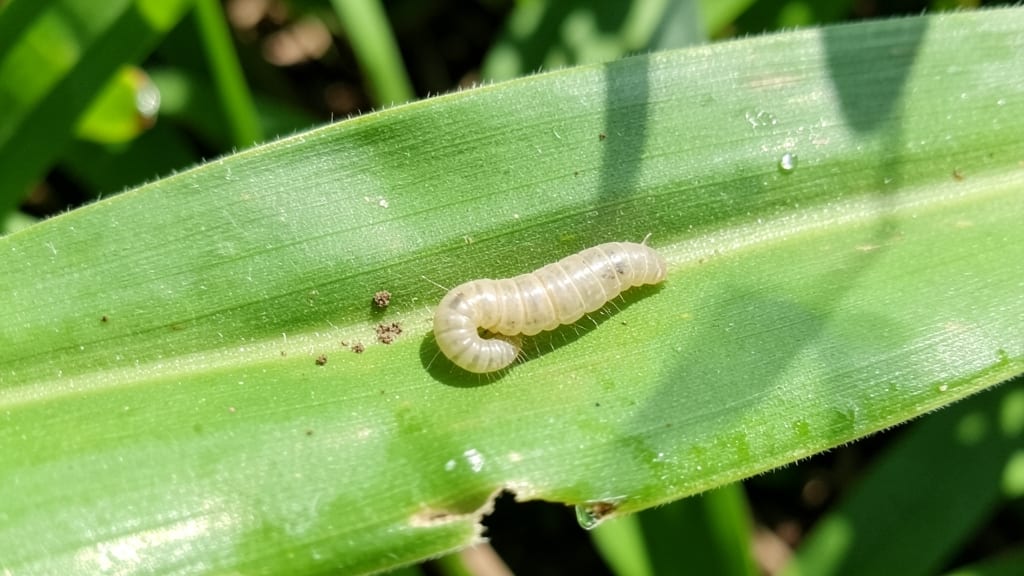
Lemon grass works as a natural mosquito deterrent thanks to its volatile aromatic compounds, which create a scent barrier that confuses mosquitoes' sensitive antennae. 🌿 Unlike chemical repellents, these plant-based oils break down quickly in sunlight, so you'll need to refresh applications more often—especially after rain.
I've found that combining lemon grass with other mosquito-repelling herbs like lavender or basil creates a stronger combined effect in garden settings.
For best results, plant lemon grass in well-drained soil with full sun exposure, as these conditions maximize oil production. The key is maintaining healthy plants—the stronger the scent, the better the repellent power.
While it won't eliminate all mosquitoes, many people report up to 50% reduction in biting activity when using lemon grass strategically around outdoor living spaces.
💡 In This Article
- How Lemon Grass Repels Mosquitoes: Chemical Breakdown
- Maximizing Lemon Grass as a Natural Mosquito Barrier
How lemon grass repels mosquitoes: chemical breakdown
Here's what's actually happening at the molecular level: Lemon grass contains three key compounds that disrupt mosquitoes' navigation systems. Citronella (making up 30-50% of its essential oil) and geraniol (15-25%) are the primary players—they overwhelm mosquitoes' olfactory receptors by mimicking human skin odors while adding a confusing chemical signature.
The third compound, limonene (10-20%), enhances this effect by altering air currents around the plant, making it harder for mosquitoes to zero in on targets. 🔥
The science gets even more interesting when you consider mosquito biology. These pests have 70 odor-receiving neurons on their antennae, each specialized for detecting different chemical cues like lactic acid (which signals blood) or carbon dioxide.
When lemon grass oils are present, they create a "chemical fog" that scrambles these signals—like trying to read a book with the pages constantly shifting.
Studies show that citronella alone can reduce mosquito landing rates by 25-30% when used in concentrated forms, though the effect drops to about 10-15% with whole-plant exposure.
What most people don't realize is how plant volatility affects outdoor effectiveness. Lemon grass releases its oils most actively between 10 AM and 4 PM when temperatures exceed 70°F, which coincides with peak mosquito activity.
However, these volatile compounds degrade quickly—sunlight breaks them down in just 2-4 hours, while rain washes them away entirely. This explains why you'll often see better results from burning dried lemon grass (which releases concentrated oils) than from standing plants alone. 💫
When comparing lemon grass to synthetic repellents like DEET, the differences become clear. DEET blocks odor detection at the receptor level with 98-100% effectiveness for up to 8 hours, while lemon grass works more like a "distraction technique"—it doesn't block signals completely but makes them unreliable. The advantage?
Lemon grass's compounds are non-toxic to humans and pets, though they may cause mild skin irritation in sensitive individuals.
For perspective, 1 teaspoon of pure citronella oil contains roughly the same active ingredients as 1/4 cup of crushed lemon grass leaves, which is why concentrated extracts work better than whole plants.
The most effective applications combine multiple strategies. For example, burning dried lemon grass bundles creates a 20-foot radius of repellent action, while planting it in containers around patios provides continuous (though weaker) protection.
The key is understanding that lemon grass works best as part of an integrated system—pair it with fans (which disrupt mosquito flight patterns) or other repelling plants like citronella grass or marigolds to create a multi-layered defense. This approach can achieve 40-60% reduction in mosquito activity during mild infestations. ✨
One final insight worth noting: The repellent power varies by lemon grass variety. Cymbopogon nardus (the most common type) contains higher citronella levels than Cymbopogon citratus, making it more effective for outdoor use.
If you're growing your own, aim for plants that reach at least 3-4 feet tall—taller plants produce more essential oils in their leaves and stems, where the highest concentrations reside. The bottom line?
Lemon grass isn't a magic bullet, but when used strategically, it's one of nature's most effective mosquito deterrents. 🌿