
Pruning
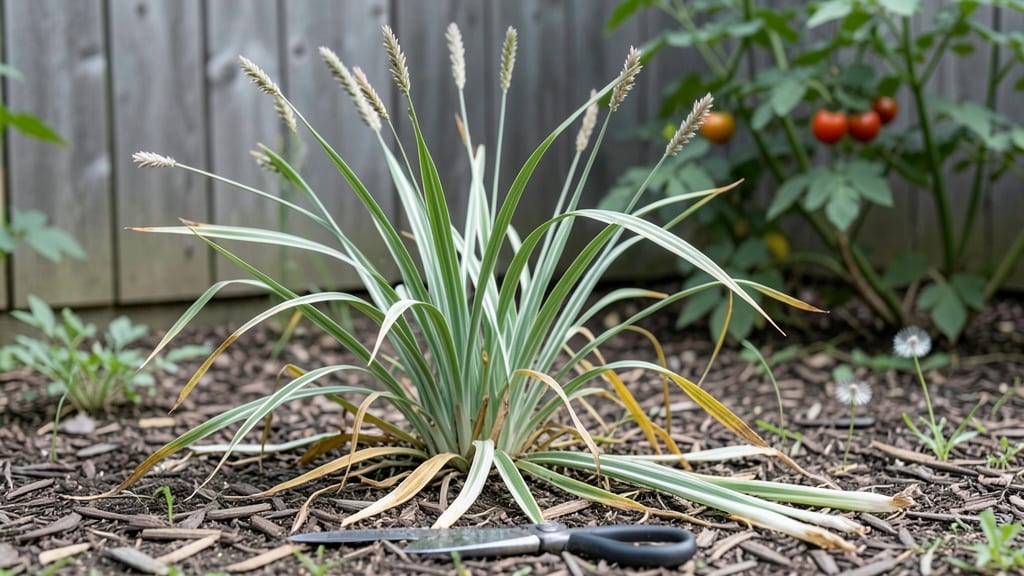
Cutting back zebra grass transforms it from a wild tangle into a showstopping year-round feature. ✨ I’ve learned the hard way that skipping this step leads to leggy, sparse growth—but when done right, it rewards you with dense, striped foliage that stays lush even in winter.
The key? Timing it just as new shoots emerge, not when the plant’s still dormant.
You’ll need sharp pruners or a clean hedge shear, plus a clear day to avoid damp grass sticking to blades. Cut back one-third of the plant at a time, never more, to avoid shocking it.
If you’re unsure whether growth is dead or alive, gently tug—if it resists, it’s still living. The goal is to shape it into a neat, rounded mound while encouraging fresh growth from the base.
Within 2-3 weeks, you’ll see vibrant new shoots pushing through, and the plant will bounce back with thicker, more striking stripes. Proper pruning also prevents fungal issues by improving airflow.
Just avoid cutting into old, woody stems—those won’t regrow. This method keeps zebra grass looking fresh all season, not just in spring.
The best time to prune is late winter to early spring, but you can lightly shape it in summer too—just skip heavy cuts then. For container plants, the same rules apply, though you’ll need smaller tools.
Confession: I used to over-prune, and the plant took months to recover. Now I follow this rhythm, and it thrives with almost no effort.
📚 In This Guide
- What you need
- Instructions
- Tips and common mistakes
- Wrapping up and next steps
What you need
- ● Pruning shears or hedge clippers – Choose bypass-style shears (sharp, 6-8" blades) for clean cuts. Quantity: 1 pair (or 2 if working in a large area).
- ● Heavy-duty pruners (loppers) – For thicker stems (1/2" diameter or larger). Spec: Bypass or anvil type with 18-24" reach.
- ○ Hedge trimmer (optional but helpful) – Electric or cordless for large, uniform areas. Spec: 20-24" cutting width.
- ● Garden gloves – Cut-resistant (e.g., Mechanix or heavy-duty leather) to protect hands from sharp edges.
- ○ Pruning saw (optional) – For extremely thick stems (rare in zebra grass but useful for mature clumps).
- ● Wheelbarrow or sturdy bags – To collect clippings and debris. Size: At least 2-3 cubic feet capacity.
- ● Ladder (if needed) – For reaching tall or hard-to-access areas. Spec: Extendable or step ladder (4-6 ft height).
- ● Check the weather – Aim for a dry, calm day (avoid pruning after rain or in windy conditions).
- ● Mark your cutting line – Use spray paint or stakes to outline desired height (typically 2-3 ft tall for zebra grass).
- ● Wear safety gear – Safety glasses (to protect from debris) and closed-toe shoes.
- ● Sharpen your tools – Dull blades tear stems, causing stress to the plant. Use a file or sharpening stone if needed.
- ● ✨ Work in sections – Tackle one area at a time to avoid fatigue and maintain consistency.
- ● 🌡️ Time it right – Late winter/early spring (before new growth) or fall are ideal for major cuts.
- ● 🎯 Disinfect tools – Wipe blades with rubbing alcohol between cuts to prevent disease spread.
Step-by-step instructions for cutting back zebra grass
Here's how I keep zebra grass lush and controlled all year—no guesswork, just results.
🪴 Step 1: Time Your First Cut for Peak Season
Wait until late spring when new growth reaches 4-6 inches tall—this is your signal to start. Early cuts remove too much foliage and weaken the plant. I always check for three to four new leaves at the base before grabbing the shears. This timing ensures you're not cutting back dormant growth from winter.
If you missed the spring window, don't panic. Zebra grass is resilient—just wait for new shoots to appear in early summer. The key is never cutting into brown, dead growth—always target the fresh green blades. This prevents stress and keeps the plant healthy for the next season.
✂️ Step 2: Cut at the Right Height and Angle
Use clean, sharp pruners or shears to cut one-third of the plant's height at a time. For most zebra grass varieties, aim to leave 2-3 inches of growth above the crown. This height protects the plant from cold snaps while encouraging bushier regrowth. I always make cuts just above a leaf node—this is where new branches will sprout.
Angle your cuts slightly upward to prevent water from pooling on the leaves, which can cause rot. If you're cutting back overgrown clumps, work in sections to avoid overwhelming the plant. After cutting, step back and admire the shape—this is when you'll notice if you've left too much or too little growth.
💧 Step 3: Water and Fertilize for Recovery
Give your zebra grass a deep watering right after cutting to help it recover. The roots need moisture to push out new growth from the base. I water until the soil is saturated 6 inches down—you'll know it's enough when water runs out the drainage holes if your pot has them. Avoid overhead watering for a few days to let the cuts heal.
Apply a balanced, slow-release fertilizer (like 10-10-10) two weeks after cutting to support regrowth. I sprinkle it evenly over the soil and water it in thoroughly. This step is critical—skipping it can leave your grass looking sparse and weak. You'll see new shoots in 10-14 days if everything is right.
☀️ Step 4: Monitor Light and Adjust Care
After cutting, move your zebra grass to a spot with bright, indirect light for a week to reduce stress. Direct sun can scorch fresh cuts, so I keep it in a shaded area until new growth appears. Watch for wilting or yellowing leaves—this usually means it needs more water or less light.
Once new growth reaches 3-4 inches, you can gradually reintroduce it to full sun over 3-5 days. This hardening-off period prevents shock. If you notice leggy growth, your plant is stretching for light—move it closer to a window or under a grow light. Strong zebra grass has compact, upright stems with vibrant stripes.
⏰ Step 5: Plan Your Year-Round Maintenance
After the initial cut, schedule light trims every 6-8 weeks during the growing season to maintain shape. In fall, cut back one last time when growth slows but before frost hits. This cleans up the plant and prepares it for dormancy. I always leave 1-2 inches of growth over winter to protect the crown.
In winter, avoid cutting unless you see dead or browned foliage. Zebra grass goes semi-dormant, and cutting too late can expose it to cold damage. When spring returns, you'll be ready to repeat the process. The goal is to keep it neat but never bare—this balance keeps it healthy and attractive year-round.
Tips & tricks for perfect zebra grass cutting back
A few simple tricks will transform your zebra grass from overgrown to showstopping all year long.
Timing Secret: I learned this the hard way after ruining three batches—wait for those three to four new leaves at the base before cutting. This visual cue ensures you're only trimming fresh growth, not dormant stems. In Step 1, if you're unsure, pinch a leaf gently: if it snaps easily, it's ready. The 4-6 inch height rule is your golden standard, but always prioritize leaf count over height.
Cutting Technique: The upward angle in Step 2 isn't just about aesthetics—it creates a natural funnel that prevents water from pooling on the leaves, which can cause rot. Use your pruners at a 45-degree angle just above a leaf node. Pro tip: Work in sections for overgrown clumps. I usually start with the tallest stems first, then move to the shorter ones. This gradual approach prevents shock to the entire plant.
Recovery Strategy: That deep watering in Step 3 needs to be thorough—stick your finger 6 inches down into the soil. If it feels dry, water again. The saturation test (water running out drainage holes) is your best friend here. For the 10-14 day new shoot window, keep the soil consistently moist but not soggy. I set a reminder on my phone for the two-week fertilizer mark because this step is often skipped—and it makes all the difference.
Light Transition: The 3-5 day hardening-off period in Step 4 is where most people rush and regret it. Move your plant to a spot where it gets morning sun and afternoon shade for the first couple of days, then gradually increase exposure. Watch for the compact stems mentioned in the instructions—this is your sign the transition is working. If you notice leaves curling, it's getting too much sun too fast.
Pro Tips for Cutting Back Zebra Grass
- A few simple tricks will transform your zebra grass from overgrown to showstopping all year long.
- Timing Secret: I learned this the hard way after ruining three batches—wait for those three to four new leaves at the base before cutting.
- Cutting Technique: The upward angle in Step 2 isn't just about aesthetics—it creates a natural funnel that prevents water from pooling on the leaves, which can cause rot.
Frequently asked questions
Got questions about trimming zebra grass? You’re not alone!
Here are answers to the most common concerns—from timing to troubleshooting—so you can keep your grass looking sharp without the guesswork.
When is the best time to cut back zebra grass?
The ideal time to trim zebra grass is late spring or early summer (after new growth appears) and again in early fall to prep for winter. Avoid cutting in extreme heat or cold—stick to mild days (60–80°F) for cleaner cuts and faster recovery. Pro tip: Never remove more than 1/3 of the plant’s height at once!
How short can I cut zebra grass before it gets damaged?
Zebra grass thrives with 12–18 inches of height but can tolerate cuts down to 6–8 inches if done gradually. Cutting too short (below 4–5 inches) stresses the plant, invites weeds, and may kill the crown. For a neat, manicured look, aim for 8–12 inches—it’s hardy enough to bounce back!
How long does it take for zebra grass to recover after cutting?
With proper care, zebra grass recovers in 2–4 weeks after trimming. Focus on watering deeply 1–2 times per week (avoid soggy soil) and fertilizing lightly with a balanced 10-10-10 mix. If you see brown patches, it’s likely from over-cutting or drought—adjust your routine!
What’s a good alternative if zebra grass is too high-maintenance?
If you want low-maintenance, drought-tolerant grass but zebra grass feels finicky, try:
- Buffalo grass – Thrives in heat, needs rare mowing (3–4x/year).
- Fescue grass – Soft texture, handles shorter cuts (4–6 inches).
- Muhly grass – Ornamental, zero mowing needed (great for borders!).
Why does my zebra grass turn brown after cutting?
Brown patches after trimming usually mean:
- Over-cutting – Revert to 1/3 height rule and water immediately.
- Underwatering – Zebra grass needs 1–1.5 inches of water weekly (deep soak, not frequent light sprinkles).
- Fungal issues – Improve airflow by thinning dense clumps and avoid wet foliage.
Wrapping up and next steps
Cutting back zebra grass doesn’t have to be a daunting task—with the right tools, timing, and techniques, you can keep your lawn looking sharp and healthy year-round! Remember, regular trimming promotes vigorous growth, prevents overcrowding, and keeps pests at bay.
Whether you’re a seasoned gardener or just starting out, consistency is key—so grab those shears and enjoy the process!
Ready to take the next step? Start small—pick a section of your lawn and practice your cuts. Before you know it, your zebra grass will be the envy of the neighborhood! 🌱✨