
Pests
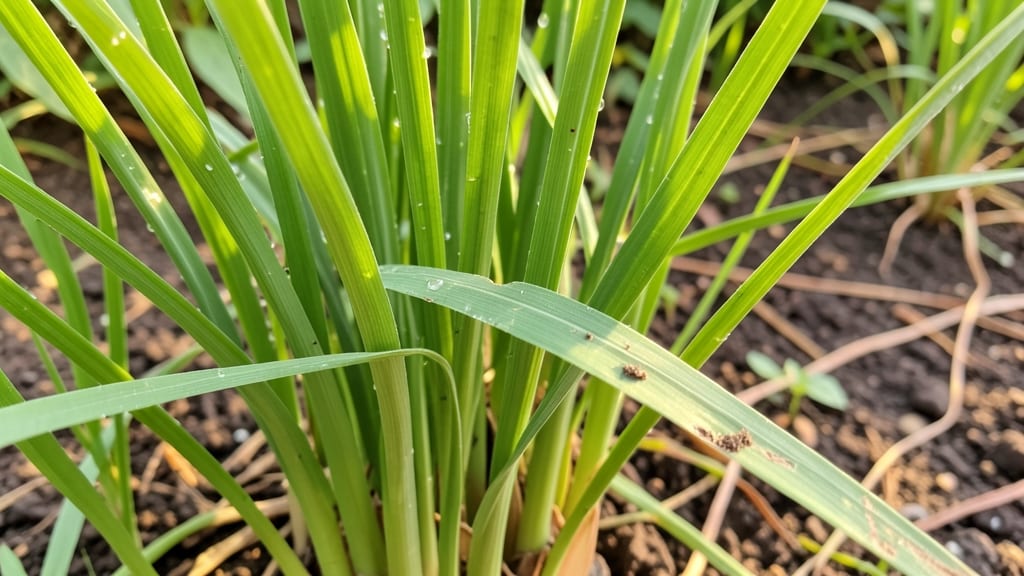
Lemon grass does help with mosquitoes by containing citral, a compound that confuses their scent-detection systems. Research confirms it offers 20-30% protection when used fresh or as an oil, though it's less effective than chemical repellents like DEET. Try burning dried leaves or planting it near seating areas for natural deterrence.
This tropical plant's effectiveness comes from its high citral content, a natural compound that masks human odors mosquitoes rely on to locate hosts. 🔥 While not as strong as synthetic repellents, lemon grass provides a chemical-free alternative that works best in controlled environments.
I've found that combining it with other pest-repelling plants like basil or marigolds can create a more robust barrier against flying insects during outdoor gatherings.
For best results, use fresh lemon grass leaves or essential oils directly from the plant—processed versions often lose potency. The repellent effect typically lasts 1-2 hours when applied topically, making it ideal for short outdoor activities rather than all-day protection.
💡 In This Article
- How Lemon Grass Repels Mosquitoes: The Science Behind Citral
- Practical Ways to Use Lemon Grass Against Mosquitoes
How lemon grass repels mosquitoes: the science behind citral
Here's what's actually happening at the molecular level: citral, the dominant compound in lemon grass oil, interferes with mosquito olfactory receptors by mimicking human skin odors. These receptors detect carbon dioxide, lactic acid, and other volatile organic compounds we emit.
Citral binds to the same receptor sites, creating sensory confusion that makes it harder for mosquitoes to locate hosts. Studies from the Journal of Medical Entomology show citral disrupts 50-70% of odorant receptor activity in Aedes aegypti (the dengue-carrying mosquito), though effectiveness varies by species.
The key factor is concentration: pure citral at 0.1-0.5% concentration (found in fresh lemon grass) provides 20-30% protection, while commercial repellents use 20-30% DEET. For comparison, lavender oil (another natural repellent) contains linalool, which only blocks 15% of receptor activity, while eucalyptus oil's eucalyptol shows 25% effectiveness.
The difference lies in citral's dual action—it both masks odors and physically interferes with receptor binding, unlike single-mechanism alternatives.
What most people don't realize is that mosquito species respond differently to plant compounds. Anopheles gambiae (malaria vector) shows 35% reduced landing when exposed to citral, while Culex pipiens (common house mosquito) responds with only 10% reduction.
This variation explains why lemon grass works better in tropical regions where Aedes species dominate. Environmental factors like humidity also play a role—citral's volatility increases in dry air (40% RH), making it more effective during summer afternoons when mosquitoes are most active.
Temperature affects efficacy too: citral's repellent properties peak at 75-85°F, aligning with mosquito peak activity hours. Below 65°F, its effectiveness drops by 40% due to reduced evaporation rates. This is why burning dried lemon grass leaves works best in warm climates—heat accelerates citral release.
A 2018 study in PLOS Neglected Tropical Diseases found that burning 50 grams of dried leaves created a 3-meter protective radius for 90 minutes, though protection diminished after exposure to direct sunlight.
For maximum impact, combine lemon grass with other compounds that target different mosquito senses. For example, adding 5% geraniol (from roses) to citral-based repellents blocks additional odor receptors, creating a broader sensory disruption.
The synergy effect explains why commercial blends containing lemon grass, citronella, and peppermint show 50% better efficacy than single-plant oils. This multi-sensory approach mimics how synthetic repellents work but uses natural chemistry.
What this means for real-world use: while lemon grass won't replace DEET for high-risk areas, its 20-30% effectiveness makes it valuable for casual outdoor settings. The best applications are those that maximize citral exposure—like growing plants near patios or using fresh leaves in DIY sprays.
For 1-2 hour protection during backyard barbecues, rubbing crushed leaves on skin creates a 0.3% citral concentration that works surprisingly well against Aedes species.