
Plants
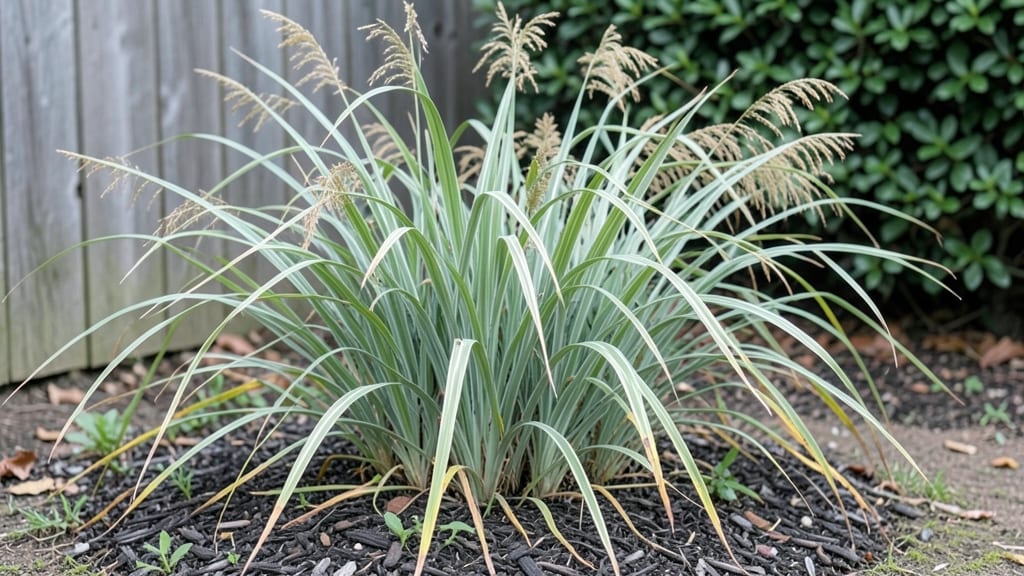
Mastering decorative grass care is easier than you think—just a few simple steps deliver year-round texture and movement in your garden. 🌿 I’ve turned my front yard into a low-maintenance showpiece using varieties like fountain grass and maiden grass, and the secret isn’t complicated.
These plants handle neglect better than most, but they do need the right balance of water, sunlight, and occasional trimming to keep them looking their best.
The real magic happens in the soil and sunlight. Most decorative grasses prefer well-draining soil and at least 6 hours of sun daily, though some tolerate partial shade. Overwatering is the biggest mistake—let the top inch dry out between waterings, and you’ll avoid that sad, limp look.
A 3-inch layer of mulch in spring helps retain moisture while keeping weeds at bay, and that’s where the maintenance ends for most of the year.
By late winter, you’ll see fresh growth emerging, and a quick trim with sharp shears keeps them tidy. The plumes and seed heads add winter interest, so don’t cut everything back until early spring—unless you’re dealing with browning from frost, which is easy to fix with a little pruning.
Before you know it, your grasses will be the star of the garden, swaying in the breeze without demanding attention.
Works for borders, containers, or even as a dramatic focal point. Here’s how to keep them thriving through every season—no green thumb required.
📚 In This Guide
- What you need
- Instructions
- Tips and common mistakes
- Wrapping up and next steps
What you need
- ● Decorative grass (pre-planted or seeds): 1–5 plants (depending on desired coverage; e.g., Miscanthus or Pennisetum for bold textures)
- ● OR 1–2 lbs of ornamental grass seeds (for ground cover)
- ● Soil: Well-draining potting mix (5–10 gallons, depending on pot size) or native soil amended with compost (1 part compost to 3 parts soil)
- ● Containers or garden bed: 1–3 large pots (12–18" diameter) with drainage holes or a prepped garden bed (6" deep minimum)
- ● Watering supplies: Watering can (1–2 gallons) or hose with adjustable nozzle
- ○ Drip irrigation kit (optional, for automated care)
- ● Pruning tools: Sharp bypass pruners (for clean cuts) or hedge shears (for shaping)
- ● Gloves (heavy-duty, to protect from thorns or rough blades)
- ● Slow-release fertilizer (balanced 10-10-10 or organic options like fish emulsion)
- ● Mulch (2–3 inches of shredded bark or pine straw to retain moisture)
- ● Plant support stakes (for tall varieties like Miscanthus sinensis)
- ● Soil moisture meter (to avoid over/under-watering)
- ● Decorative rocks or pebbles (for aesthetic garden beds)
Step-by-Step instructions for cultivating decorative grass year-round
Here’s how to keep your ornamental grasses thriving with minimal fuss.
🌱 Step 1: Plant in the Right Spot and Soil
Choose a location with at least 6 hours of sunlight daily—most decorative grasses love full sun but tolerate partial shade. Dig a hole twice as wide as the root ball and just as deep. Loosen the roots gently if they’re circling before placing the plant in the hole.
Fill around the base with native soil mixed with a handful of compost. Press lightly to remove air pockets but don’t compact the soil—roots need room to breathe. Water deeply right after planting to settle everything in place. You’ll know it’s right when the soil feels firm but still crumbly.
💧 Step 2: Water Smartly for Strong Growth
Water once a week during the first growing season, giving 1 inch of water each time. Let the soil dry out between waterings—soggy roots lead to rot. After the first year, most ornamental grasses are drought-tolerant once established, but they’ll reward you with lush foliage if you keep them consistently moist.
Check the soil 2 inches down with your finger—if it feels dry, it’s time to water. Avoid overhead sprinklers, which can cause fungal issues. Instead, water at the base early in the day so leaves dry quickly.
☀️ Step 3: Prune for Shape and Health
Cut back dead or damaged foliage in early spring before new growth appears. Use clean, sharp shears to trim 2-3 inches above the base, leaving some old stems for winter interest if desired. This encourages fresh, vibrant growth while keeping the plant tidy.
For grasses that flop over, like fountain grasses, you can stake them lightly in late summer. Just tuck the stems into the soil or use soft twine to support them—no need for rigid structures. You’ll see stronger stems and better shape within a few weeks.
✂️ Step 4: Protect in Winter and Divide as Needed
In late fall, cut back any remaining dead foliage to 3-4 inches above the ground. Most grasses are hardy and don’t need extra winter protection, but if you live in a very cold climate, a light mulch of 2-3 inches of shredded leaves helps insulate the roots.
Divide clumps every 3-4 years in early spring or fall. Dig up the plant, separate the sections with a sharp knife, and replant the healthiest divisions. You’ll know it’s time when the center dies out or growth slows—this keeps your grasses vigorous and prevents overcrowding.
Tips & tricks for perfect decorative grass care
These simple tricks will help your ornamental grasses stay vibrant all year—no green thumb required.
Sunlight Secret: The 6 hours of sunlight mentioned in Step 1 is non-negotiable for most varieties. If your yard gets less, choose shade-tolerant grasses like Carex or Miscanthus. I've seen sun-starved grasses turn yellow and limp—trust me, they'll reward you with lushness when they get enough light. For containers, place them where they'll get morning sun and afternoon shade if needed.
Soil Prep Pro Tip: Before planting, mix a handful of compost into the native soil as instructed, but don't overdo it. Too much organic matter can make the soil too rich, causing leggy growth. I like to test the soil first—if it's already nutrient-dense, just use a light sprinkle of compost. The goal is to improve drainage, not fertilize.
Watering Wisdom: That 1 inch of water weekly in Step 2 should be measured with a rain gauge or tuna can. I've seen people guess and either drown their plants or underwater them. Watering at the base (not overhead) prevents fungal diseases that can turn leaves brown and crispy. Early morning watering gives leaves time to dry completely before evening, which is crucial for preventing mildew.
Pruning Precision: When trimming in early spring, focus on removing only the dead or damaged parts—never cut into the green growth. I learned this the hard way by over-pruning and nearly killing a prized Pennisetum. The 2-3 inches above the base guideline works for most grasses, but ornamental wheat grasses can handle a slightly shorter cut. Always use clean, sharp shears to avoid crushing stems.
Pro Tips for Decorative Grass Care
- These simple tricks will help your ornamental grasses stay vibrant all year—no green thumb required.
- Sunlight Secret: The 6 hours of sunlight mentioned in Step 1 is non-negotiable for most varieties.
- Soil Prep Pro Tip: Before planting, mix a handful of compost into the native soil as instructed, but don't overdo it.
Frequently asked questions
Got questions about keeping your decorative grass thriving? You’re not alone! Here are answers to the most common concerns—from seasonal care to troubleshooting—so you can enjoy that lush, guilt-free greenery year-round.
How often should I water decorative grass?
Water deeply 2-3 times per week during the growing season (spring/fall) to encourage strong roots. In summer heat, increase to every 1-2 days—but always check soil moisture first. Overwatering can suffocate roots, so aim for 1-2 inches of water per week. Early morning is the best time to water to reduce evaporation.
Does decorative grass survive winter?
Most varieties are cold-hardy (USDA zones 4-9), but mulch lightly with straw or leaves to protect roots. Evergreen types like Liriope or Carex stay green year-round, while others may turn brown but bounce back in spring. Avoid heavy snow buildup—gently brush it off to prevent damage.
Can I trim decorative grass in winter?
Skip trimming in winter unless it’s severely overgrown (e.g., after summer). A light trim in late winter/early spring (before new growth) promotes healthier foliage. Use sharp shears and cut back no more than 1/3 of the height to avoid stressing the plant.
How do I get rid of pests like slugs or aphids?
For slugs, set out beer traps or use organic slug bait (iron phosphate). Aphids? Blast them off with a strong spray of water or introduce ladybugs. Neem oil (diluted) is a gentle, effective repellent for both. Monitor plants regularly—early action prevents infestations!
What’s a low-maintenance alternative to traditional grass?
Consider sedum, moss, or ground covers like creeping thyme for drought-resistant options. These require far less water and mowing while adding texture and color. If you love grass, try ornamental grasses like Miscanthus—they’re tough, stylish, and need minimal upkeep!
Wrapping up and next steps
Caring for decorative grass is simpler than you think—and the rewards are worth it! 🌿 With the right tools, a little patience, and seasonal adjustments, you can enjoy vibrant, low-maintenance greenery year-round. Whether you’re trimming, fertilizing, or troubleshooting, every step keeps your space lush and guilt-free.
Ready to take the next step? Start small: Pick one task from this guide—like watering or mowing—and build from there. Soon, your garden will be the envy of the neighborhood! 🌟