
Lawn
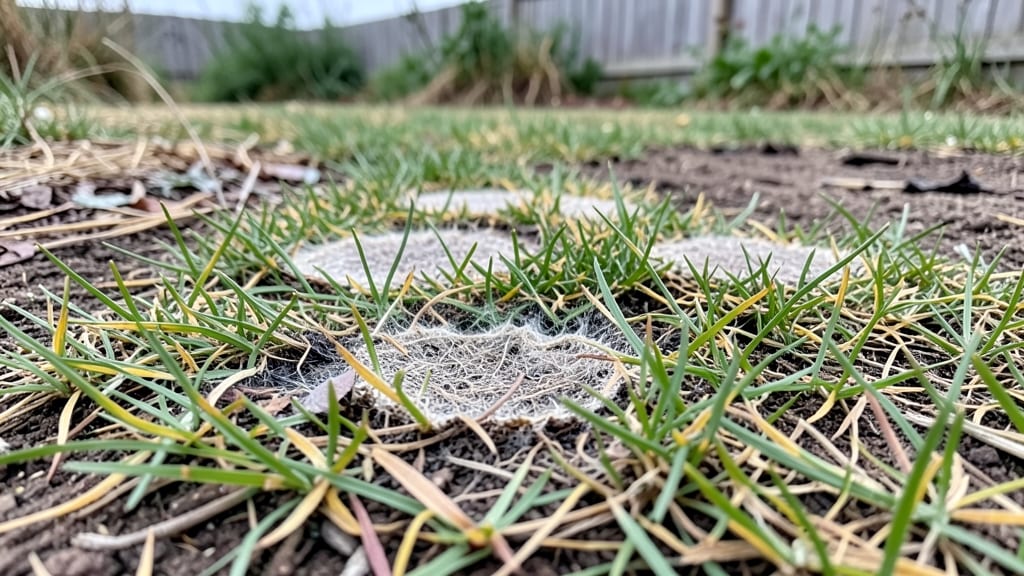
Brown dead spots in grass can turn your lawn from lush green to patchy frustration in weeks—until you know the fast fixes. I’ve spent years watching these spots spread, only to reverse them with simple adjustments that skip the expensive treatments.
The key is figuring out whether your grass is thirsty, sick, or just tired from last summer’s heat.
Most dead spots start with one of three problems: too little water, a fungal infection, or compacted soil that chokes roots. My first yard had spots that looked like drought damage until I tested the soil—it was actually a fungus thriving in the shade.
A single treatment and better watering schedule brought it back in under two weeks. You’ll need basic tools like a rake, fungicide (if needed), and a sharp eye for the real cause.
By the end of this, you’ll have a lawn that stays vibrant even through summer. The fix isn’t about guesswork—it’s about matching the right solution to what’s actually killing your grass.
We’ll cover how to tell the difference between drought, disease, and damage, plus the quickest way to revive each type. Ready to bring your lawn back to life?
Works for any grass type, from cool-season fescue to warm-season Bermuda. The same principles apply whether you’re dealing with a few small spots or a larger patch. Let’s get your grass growing again—without waiting for next spring.
Why it happens
Brown dead spots in your lawn aren’t just an eyesore—they’re a cry for help from your grass. Before you grab the rake or fertilizer, it’s crucial to diagnose the real culprit behind those unsightly patches.
Each cause leaves distinct clues, from soil texture to grass health. Let’s break down the most common reasons your grass is turning brown and dying, so you can tackle the problem at its source.
🌡️ Heat and Drought Stress
When summer bakes your lawn without relief, grass blades dry out faster than they can recover. Dormancy kicks in as a survival mechanism, causing blades to brown and curl. This isn’t permanent damage—it’s your grass conserving energy until conditions improve.
- Signs: Uniform browning during dry spells, crispy texture when stepped on, recovery after watering.
- Why it happens: Grass roots need 1–1.5 inches of water per week (including rainfall). Without it, cells dehydrate, and chlorophyll production halts.
- Actionable fix:
- 💡 Water deeply 2–3 times per week (early morning, 6–10 AM) to encourage deep root growth.
- 🌱 Avoid shallow watering—let moisture penetrate 4–6 inches into the soil.
- ✨ Mulch with straw or wood chips to retain soil moisture.
🍄 Fungal Infections (Brown Patch, Dollar Spot)
Fungal spores thrive in warm, humid conditions and damp soil, feasting on grass blades like a silent invasion. These pathogens block nutrient uptake, causing circular or irregular brown patches with a slimy texture when wet.
- Signs:
- Brown rings or spots with dark, water-soaked edges.
- Grass pulls up easily (roots are rotting).
- Worse in shady, low-traffic areas or after heavy dew.
- Why it happens: Overwatering, poor drainage, or compacted soil creates the perfect fungal buffet. Thatch buildup (that spongy layer between soil and grass) traps moisture and spores.
- Actionable fix:
- 🔥 Improve airflow by mowing high (3–4 inches) and aerating compacted soil.
- 🌡️ Water in the morning to let grass dry by evening (fungi love nighttime dampness).
- 💊 Apply fungicide (like propiconazole) if spots spread rapidly (follow label rates!).
🐜 Pest Damage (Grubs, Chinch Bugs, Sod Webworms)
Underground or surface-dwelling pests can turn your lawn into a buffet, leaving behind brown, patchy carnage. The damage is often selective—healthy grass turns brown overnight, while neighboring areas stay green.
- Signs:
Pest Damage Clues Grubs (white, C-shaped larvae) Spongy turf that peels back easily; moles or skunks digging. Chinch Bugs (tiny black bugs) Brown patches that start near sidewalks or driveways; yellowing grass before browning. Sod Webworms (moth larvae) Irregular brown patches with chewed grass blades; worse in dry, sunny spots. - Why it happens: Pests target stressed grass (drought, poor soil, or over-fertilization). Grubs, for example, munch on roots, while chinch bugs inject toxins as they feed.
- Actionable fix:
- 🔪 Inspect closely: Dig up a small patch—if you see grubs, treat immediately.
- 🌱 Encourage predators: Birds, toads, and nematodes (like Heterorhabditis bacteriophora) eat grubs naturally.
- 💊 Use targeted pesticides (e.g., imidacloprid for chinch bugs) or milky spore for grubs.
🏗️ Soil Compaction and Poor Drainage
Heavy foot traffic, construction equipment, or clay-heavy soil can smother grass roots, cutting off oxygen and water. Compacted soil also traps water, leading to root rot or fungal growth.
- Signs:
- Brown patches in high-traffic areas (near walkways, play zones).
- Water pools or runs off instead of soaking in.
- Grass feels spongy or springs back when stepped on.
- Why it happens: Roots need 20–25% air space in soil to breathe. Compaction crushes this space, suffocating roots.
- Actionable fix:
- 👨🍳 Aerate annually (rent a core aerator or hire a pro for severe cases).
- 🌱 Top-dress with compost (¼ inch layer) to improve soil structure.
- ✨ Reduce foot traffic on recovering patches; use stepping stones or mulch paths.
⚗️ Chemical Burn or Over-Fertilization
Too much of a good thing can turn your lawn into a chemical wasteland. Salt buildup from de-icers, over-application of herbicides, or excess nitrogen can scorch grass faster than a summer sunburn.
- Signs:
- Brown patches with crispy, bleached edges.
- Damage follows application patterns (e.g., near driveways, weed killer spray zones).
- Grass recovers slowly even with water.
- Why it happens:
- Salt (from de-icers) disrupts osmotic balance in plant cells, causing dehydration.
- Herbicides (like glyphosate) kill grass if oversprayed or applied incorrectly.
- Nitrogen overload burns roots, making grass vulnerable to disease.
- Actionable fix:
- 💡 Flush the soil with 1–2 inches of water to dilute
Fixing Dead Grass Spots Fast
Now that you know the likely culprits behind those unsightly brown patches, it’s time to roll up your sleeves and bring your lawn back to life! The right approach depends on the cause, but most fixes follow a simple pattern: identify, treat, and prevent.
Below, we’ll map out step-by-step solutions for the most common causes—plus pro tips to keep your grass thriving long-term.
🔥 Fix Fungal Diseases (Like Brown Patch or Dollar Spot)
Fungal infections thrive in damp, warm conditions, turning lush grass into crunchy, dead patches. Here’s how to tackle them:
🍳 Step 1: Improve Airflow & Reduce Moisture
- 🌬️ Mow higher (3–4 inches) to encourage deeper roots and reduce humidity near the soil.
- 💦 Water early (before 10 AM) and less often—aim for ½–1 inch per week. Avoid overhead sprinklers that linger on leaves.
- 🌿 Thin out dense areas with a rake or dethatcher to let air circulate.
👨🍳 Step 2: Apply Fungicide (If Needed)
- For stubborn patches, use a broad-spectrum fungicide (like propiconazole or chlorothalonil). Follow label instructions—overuse can harm beneficial microbes.
- 💡 Pro Tip: Mix a baking soda spray (1 tbsp baking soda + 1 gallon water) for mild cases. Spray on a dry, sunny day.
🥘 Step 3: Reseed & Fertilize
- Once the fungus clears, rake out dead grass and scatter disease-resistant grass seed (like tall fescue or Kentucky bluegrass).
- Apply a low-nitrogen fertilizer (5–10–10 ratio) to encourage recovery without feeding fungi.
⏰ Timeframe: 2–4 weeks for regrowth, depending on seed type and weather.
🌡️ Revive Heat or Drought Damage
When grass wilts under scorching sun or drought, it’s often dormant (not dead!) but needs a drink and some TLC.
💦 Step 1: Deep Watering (The Right Way)
- 🚰 Water deeply 2–3 times per week (1–1.5 inches per session) instead of light daily sprinkles. Use a soaker hose or rain gauge to track moisture.
- ⏰ Best time: Early morning (6–10 AM) to reduce evaporation and fungal risk.
🌱 Step 2: Overseed & Protect
- 🌾 Overseed with drought-tolerant grass (like Bermuda or zoysia) once temps drop below 85°F.
- 🌡️ Mulch lightly with straw to retain moisture (but avoid smothering the grass).
💡 Pro Tip: If your lawn is completely brown, it may be permanently dead. Test a small patch—if it doesn’t green up after 2 weeks of watering, consider sod or landscape fabric for that area.
🔪 Eliminate Pest & Grub Damage
Grubs, chinch bugs, and other pests munch on roots, leaving behind thin, patchy brown spots that pull up easily.
🐜 Step 1: Identify the Culprit
- 🔍 Dig up a small section: If you see white grubs (C-shaped larvae), you’ve got grub damage. Tiny black bugs? Likely chinch bugs.
- 📊 Quick test: Place a coffee can (open side down) over a patch. If you find pests inside after a few days, treatment is needed.
🍳 Step 2: Apply Targeted Treatments
- For grubs: Use a grub killer (like imidacloprid or trichlorfon) in early summer (when grubs are young).
- For chinch bugs: Treat with neonicotinoid insecticides or pyrethrin-based sprays (follow label rates).
- 💡 Organic option: Nematodes (beneficial worms) or milky spore powder can help long-term.
🌱 Step 3: Rebuild the Lawn
- 🌿 Rake out dead patches and top-dress with compost + new seed.
- 💪 Strengthen grass with iron-rich fertilizer (like 0-0-4 or 0-0-6) to deter future pests.
🎯 Prevent Future Dead Spots
Once your lawn is back in shape, keep it healthy with these habits:
| Problem | Prevention Tip |
|---|---|
| Fungal issues | Mow high, water early, and aerate annually to improve drainage. |
| Drought damage | Install rain sensors on sprinklers and mulch to retain moisture. |
| Pest outbreaks | Test soil pH (6.0–7.0 is ideal) and rotate fertilizers to avoid pest attraction. |
| Compaction | Aerate in spring/fall and avoid heavy foot traffic on wet grass. |
✨ Bonus: Quick Fixes for Small Patches
- 🌿 Patch repair: Cut a plug of healthy grass from another area and transplant it over the dead spot.
- 💧 Hydration hack: Lay a dark tarp over the patch for 24 hours to warm the soil and encourage seed germination.
- 🍃 Emergency green-up: Mix grass seed + peat moss + topsoil in a 1:1:2 ratio, spread over the area, and water lightly daily until established.
Remember: Patience is key—some fixes take 4–6 weeks to show results. But with the right approach, your lawn will bounce back greener and stronger than ever! 🌱💚
Frequently asked questions
Why do brown spots appear in some areas but not others?
Uneven browning often signals selective stress from pests, soil issues, or chemical exposure. For example, chinch bugs target stressed grass near sidewalks, while fungal spots spread in shady, damp areas. Check for patterns—if patches follow foot traffic or spray zones, compaction or herbicide burn may be the culprit.
How can I tell if my grass is dead or just dormant?
Gently pull a small tuft—if roots snap easily and the soil beneath is dry, it’s dead. If roots hold together but blades feel crispy, it’s likely dormant from drought. Water deeply for 2 weeks; if no green returns, the grass is dead.
Will overwatering fix brown spots caused by drought?
No—overwatering actually worsens drought damage by suffocating roots and inviting fungi. Instead, water deeply 2–3 times per week (1–1.5 inches per session) to encourage deep root growth. Shallow watering keeps grass shallow and stressed.
Can I use household items to treat fungal brown spots?
Yes! For mild cases, mix 1 tablespoon baking soda + 1 gallon water in a spray bottle and apply on a dry, sunny day. Repeat weekly. For stubborn patches, try a hydrogen peroxide solution (1 part 3% peroxide to 16 parts water) to kill spores without chemicals.
How long until I see results after treating brown spots?
Dormant grass may green up in 3–7 days with proper watering, while reseeding takes 2–4 weeks for visible regrowth. Fungal treatments show improvement in 10–14 days, but full recovery depends on weather and soil health. Patience is key—don’t over-treat!