
Lawn
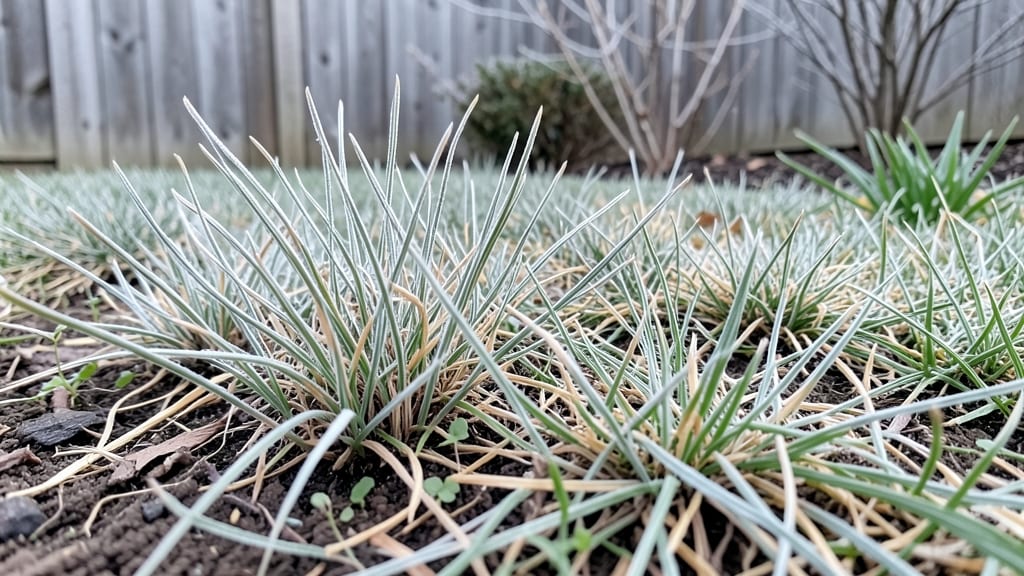
Your lawn turning brown in winter isn’t a disaster—it’s usually just nature’s way of telling you it’s resting. ✨ I’ve seen this happen to even the healthiest lawns, and the good news is that most brown winter grass comes back green with just a few simple adjustments.
The real culprits are often overwatering, compacted soil, or winter diseases hiding beneath the surface. My lawn went from patchy to lush by fixing drainage, cutting back on winter watering, and adding a thin layer of compost in early spring. It’s not rocket science—just a few targeted fixes.
By spring, you’ll see vibrant green blades pushing through the thatch, and your lawn will look like it never took a break. The key is knowing when to intervene and when to let the grass recover on its own. Let’s get your lawn back on track.
This works for cool-season grasses like Kentucky bluegrass and fescue, which handle winter dormancy best. Warm-season grasses? That’s a different story—but we’ll focus on the easy fixes for the most common types first.
Why it happens
When your lawn starts looking like a patchwork of brown and green in winter, it’s often not a sign of death—but rather a natural survival strategy. Grass doesn’t just "turn off" overnight; it enters a state called dormancy, a built-in mechanism to conserve energy when conditions become harsh.
Let’s break down the science behind why this happens and what triggers it.
🌡️ Cold Temperatures Trigger Dormancy
Grass is a living plant, and like all living things, it has limits. When temperatures drop below 40°F (4°C) consistently, most cool-season grasses (like Kentucky bluegrass, fescue, and ryegrass) slow down their growth. Below 32°F (0°C), their metabolic processes nearly halt.
This isn’t laziness—it’s survival. The grass redirects energy away from growth and toward maintaining its roots and essential functions. Warm-season grasses (like Bermuda or Zoysia) go dormant even faster when frost hits, often turning brown within days.
✨ Pro Tip: If your grass is dormant but still green underneath, it’s alive! Avoid scalping it—longer blades insulate the crown and protect it from freeze-thaw cycles.
❄️ Frost and Freeze Damage Cells
When water inside grass cells freezes, it expands and can rupture cell walls—a process called cytoplasmic injury. This is why grass can look crispy or straw-like after a hard freeze. The damage isn’t always permanent, though.
Many grasses recover once temperatures rise and roots have access to moisture. However, repeated freeze-thaw cycles (like in early spring) can stress the lawn further, leading to permanent browning in weak spots.
💡 Key Insight: Ever notice brown patches after a cold snap? That’s likely frost damage. Wait until soil warms to 50°F (10°C) before watering or fertilizing—cold soil can shock recovery.
💧 Water Stress from Dormancy
Dormant grass stops actively absorbing water, but it still needs minimal moisture to stay alive. If the ground freezes solid or drought persists, the grass can’t access what little water remains.
Without hydration, cells dehydrate, and the blades turn brown. This is especially true for shallow-rooted grasses like annual ryegrass, which rely on topsoil moisture.
Why it matters: Overwatering in winter is a common mistake. Frozen soil can’t absorb water, leading to runoff and potential root suffocation. Instead, check for 1-inch soil moisture before watering—if it’s damp, hold off until spring.
🌱 Lack of Sunlight Slows Photosynthesis
Grass produces energy through photosynthesis, but shorter winter days mean less sunlight. With reduced light, the grass can’t generate enough glucose to sustain growth. Combine this with cold soil, and the plant’s energy reserves deplete faster.
Evergreen grasses (like some types of fescue) may stay green longer because their leaves contain chlorophyll year-round, but they still slow down significantly.
🔥 Fun Fact: Snow actually helps! A thick, even snow cover acts like a blanket, insulating the soil and protecting roots from extreme cold. Scraping it away can expose grass to harsh winds and temperature swings.
🌿 Poor Soil Conditions Worsen the Problem
If your soil is compacted, low in organic matter, or nutrient-deficient, grass struggles to bounce back from dormancy. Compacted soil restricts root growth, while poor drainage can lead to anaerobic conditions (lack of oxygen), which stresses roots even in winter.
Without a strong foundation, the grass is more likely to stay brown longer—or worse, fail to recover at all.
| Sign | Likely Cause |
|---|---|
| Uniform brown across the lawn | Dormancy (normal in winter) |
| Brown patches with green edges | Frost damage or compacted soil |
| Thin, sparse brown areas | Poor soil or nutrient deficiency |
| Crunchy, brittle blades | Severe freeze damage or dehydration |
🎯 Actionable Tip: Test your soil in early spring. A simple pH test kit can reveal if your lawn needs lime (to raise pH) or compost (to improve structure). Aim for a pH of 6.0–7.0 for most grasses.
Quick Fixes for Winter-Browned Grass
Winter can leave your lawn looking like a patchy desert, but the good news is that most brown grass issues are reversible with the right approach.
Below, we’ve mapped out practical solutions based on the most common causes—from drought stress to cold damage—so you can revive your lawn without breaking the bank or your back. 🌱❄️
###
🔥 Dormancy (Normal Winter Slowdown)
If your grass is just sleeping for the season, it’ll bounce back with warmth. No action needed—just patience! But you can give it a head start:
- 🍳 Raise the mower blade: Set it to 3–4 inches before winter to protect roots and retain moisture.
- 👨🍳 Lightly aerate in early spring: Use a core aerator (rent one if needed) to let air, water, and nutrients reach the roots. Do this when soil is moist but not muddy.
- ⏰ Wait for spring: Avoid fertilizing now—it can stress dormant grass. Wait until temps consistently hit 50°F+ before feeding.
💡 Pro Tip: Test soil moisture by squeezing a handful—if it crumbles, it’s dry enough for spring aeration. If it sticks, wait a week.
###
🥘 Drought or Poor Watering Habits
Brown patches from underwatering are often fixable with deep hydration and smart watering. Here’s how to revive thirsty grass:
| Step | Action |
|---|---|
| 🔪 Check soil depth | Dig a 6-inch hole. If the soil is dry below 2 inches, your grass isn’t getting enough water. |
| 💧 Deep watering | Water 1–1.5 inches per week (including rain). Use a timer or rain gauge. Water early morning to reduce evaporation. |
| 🌡️ Adjust for winter | Reduce watering by 30–50% in cold months—grass needs less when it’s dormant. Focus on deep soakings every 10–14 days. |
| ✨ Improve drainage | If water pools, level low spots or add compost to sandy soil to help retention. |
🔥 Warning: Overwatering in winter can suffocate roots. Always check soil moisture before watering.
###
❄️ Cold Damage or Frost Heave
Freeze-thaw cycles can uproot grass or kill tender blades. To help recovery:
- 🍳 Mow high after thawing: Set the mower to 3–4 inches to shade roots and reduce stress.
- 👨🍳 Apply a thin layer of mulch: Use straw or leaves (not thick piles) to insulate soil and protect crowns from temp swings.
- 💪 Avoid foot traffic: Compacted soil slows recovery. Use stepping stones or a board to walk on frozen lawns.
- ⏰ Wait for soil to warm: Don’t overseed until soil temps are consistently above 50°F for 5+ days.
💡 Pro Tip: If large patches are dead, consider sod patches in spring for instant green coverage.
###
🎯 Prevention Tips for Next Winter
Stop brownouts before they start with these low-effort strategies:
- 🌡️ Test soil pH: Ideal range is 6.0–7.0. Adjust with lime (high pH) or sulfur (low pH) in early fall.
- 💪 Build soil health: Spread 2–3 inches of compost in fall to improve moisture retention and root strength.
- 🍂 Clean up debris: Remove leaves and thatch to prevent smothering and disease.
- 🌱 Choose cold-hardy grass: If you’re reseeding, pick varieties like tall fescue or perennial ryegrass, which handle winter better.
- ✨ Mulch mow: Leave grass clippings after mowing—they act as natural mulch, returning nutrients to the soil.
Most brown grass in winter is temporary, but acting now ensures your lawn greens up faster in spring. Start with one fix (like deep watering or aeration) and build from there—your lawn will thank you! 🌿🌟
Frequently asked questions
Is it normal for grass to turn brown in winter?
Yes! Most cool-season grasses enter dormancy when temperatures drop below 40°F (4°C), slowing growth to conserve energy. This is completely natural and not a sign of death. Warm-season grasses often brown faster due to frost sensitivity. The key is distinguishing between normal dormancy and damage—look for crispy blades (damage) vs. just slowed growth.
How can I tell if my brown grass is dead or just dormant?
Pull up a small patch: if roots are white and firm, it’s dormant. If roots are mushy or missing, the grass is dead. Another test: walk on it—dormant grass springs back, while dead grass stays flat. For patchy areas, wait until spring to see if green shoots emerge.
Should I water my lawn in winter if it's turning brown?
Only if the ground isn’t frozen. Dormant grass needs minimal moisture—about 1 inch every 2-3 weeks—but frozen soil can’t absorb water. Overwatering in winter suffocates roots. Check soil moisture by squeezing a handful: if it crumbles, it’s dry enough for light watering.
Will my lawn ever be green again after winter browning?
Almost always! Most grasses recover fully when soil warms to 50°F (10°C) and days lengthen. Start with core aeration in early spring to help roots breathe, then apply a light high-nitrogen fertilizer (like 24-0-5) when new growth appears. For dead patches, overseed with cold-hardy varieties like tall fescue.
Can I mow brown winter grass to encourage regrowth?
Only if it’s not frozen solid! Mow dormant grass to 3-4 inches to protect roots, but never shorter than 2 inches in winter. Wait until spring to lower the blade—cutting too short stresses weakened plants. Sharp mower blades are critical to avoid tearing brown blades, which can invite disease.